YAS BAY
ABU DHABI





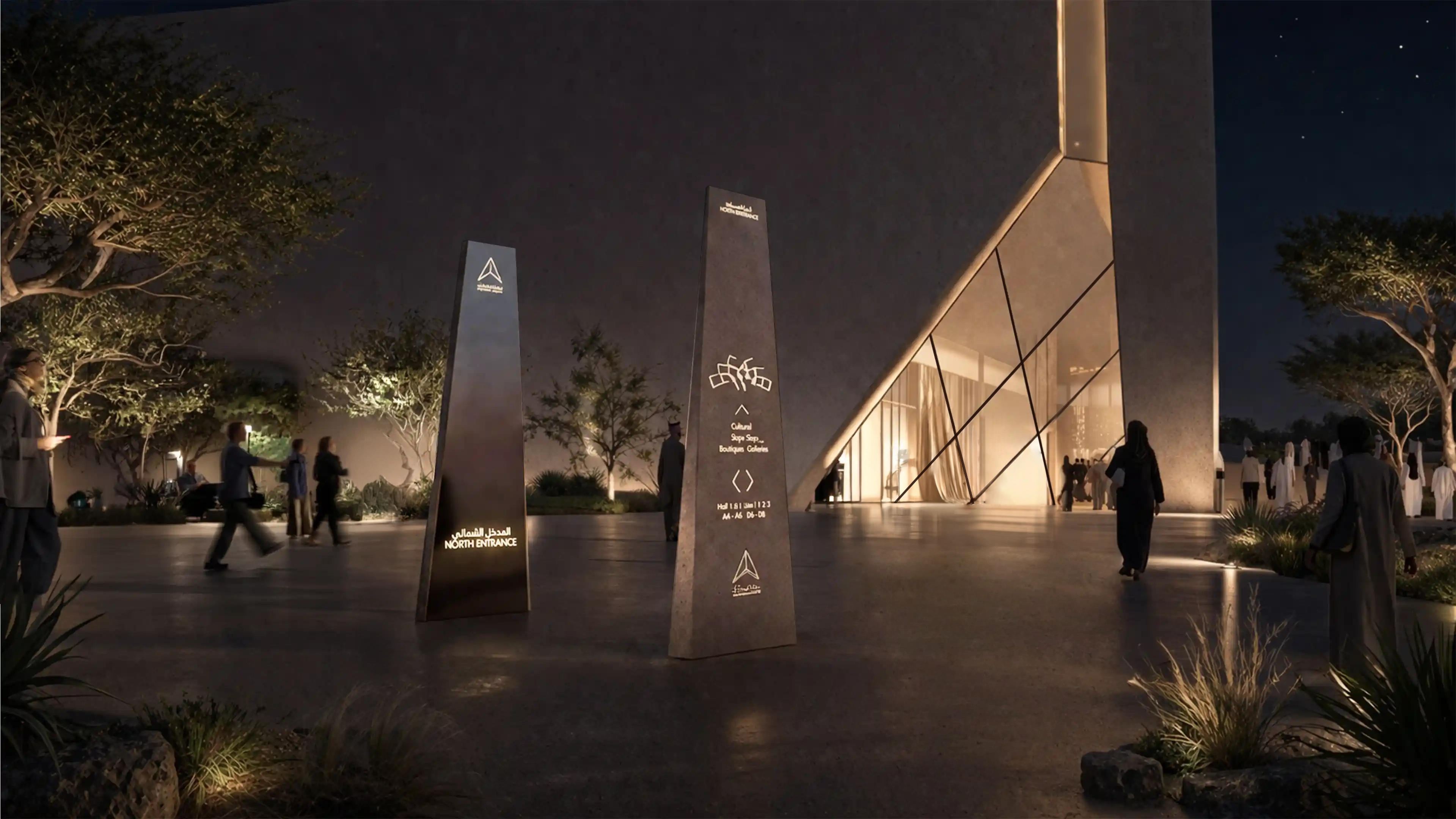
Spatial Orientation Strategy helps users recognise where they are, how the place is organised and how their current position relates to the destination ahead.
Orientation is broader than direction. People need a sense of scale, sequence, level, zone and relationship.
When these cues are unclear, even a short journey can feel complex.
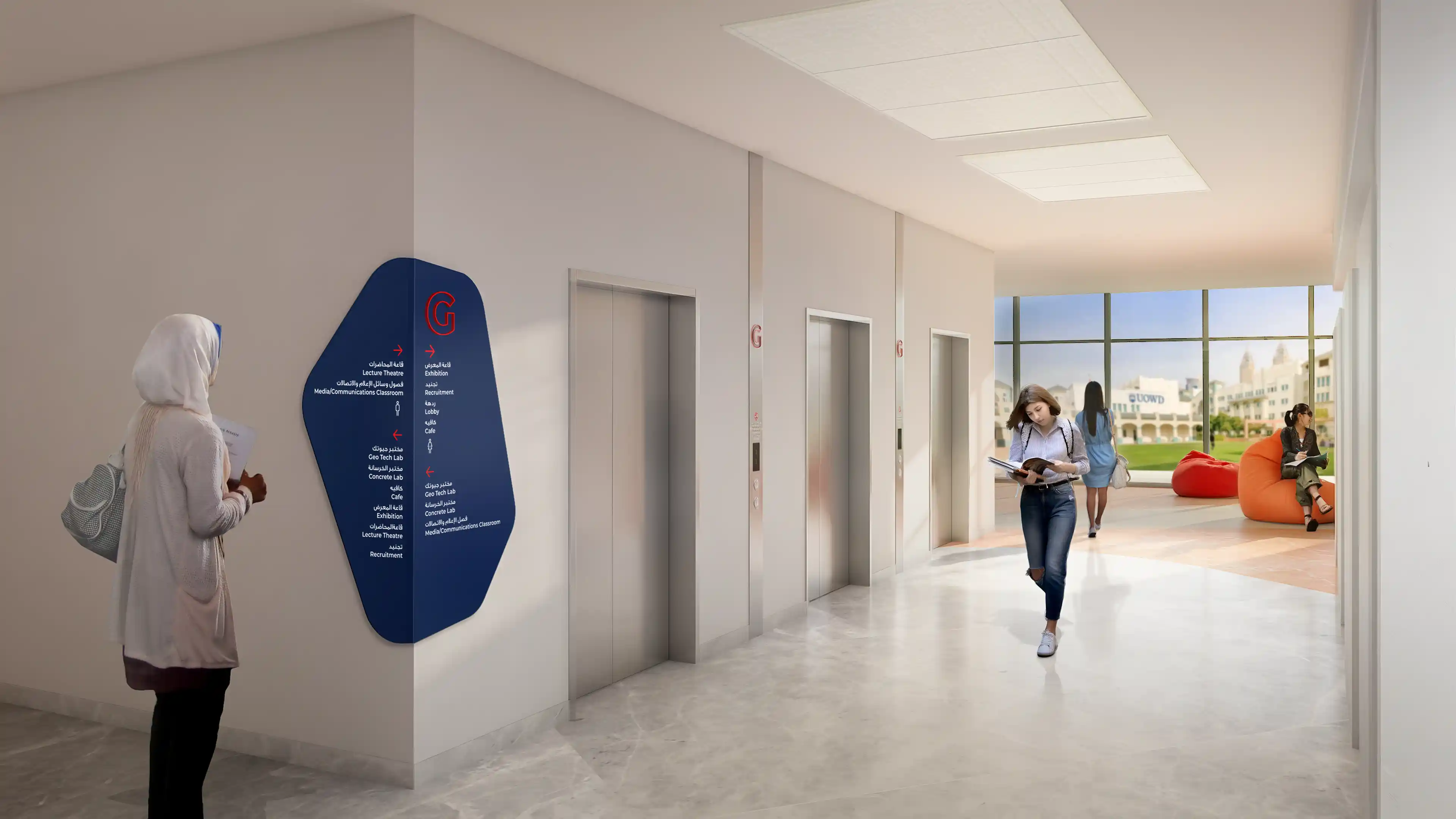
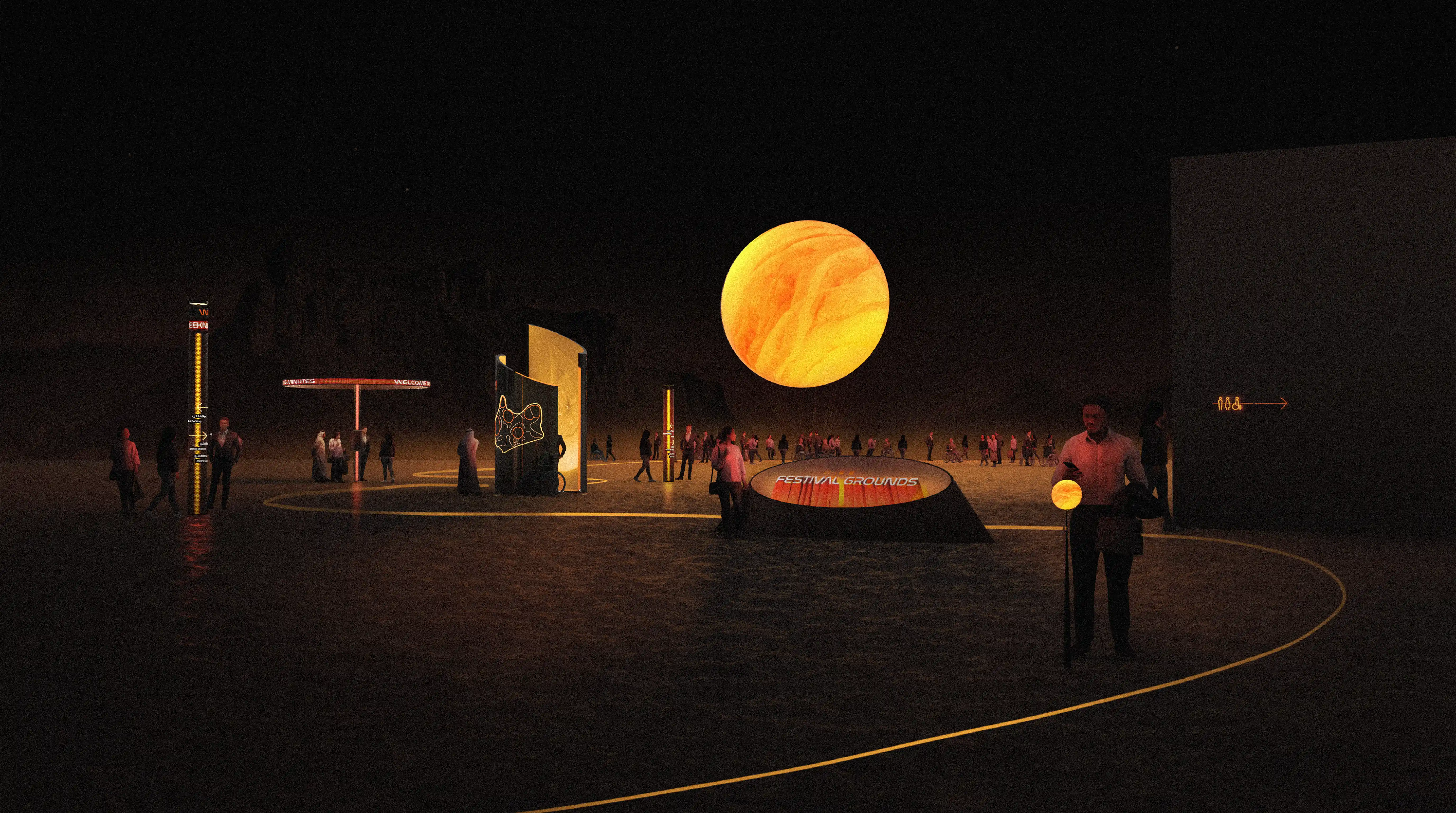
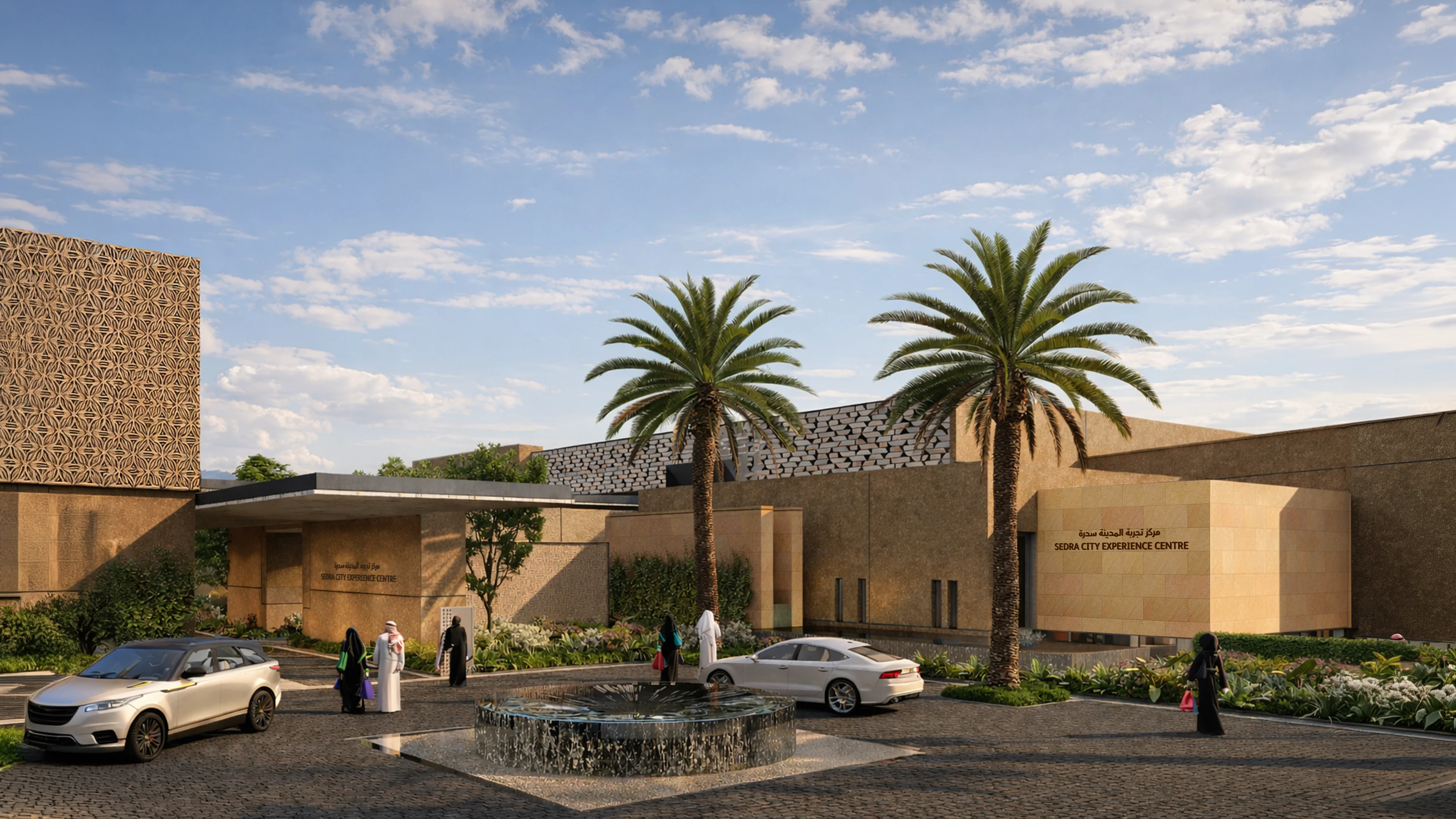
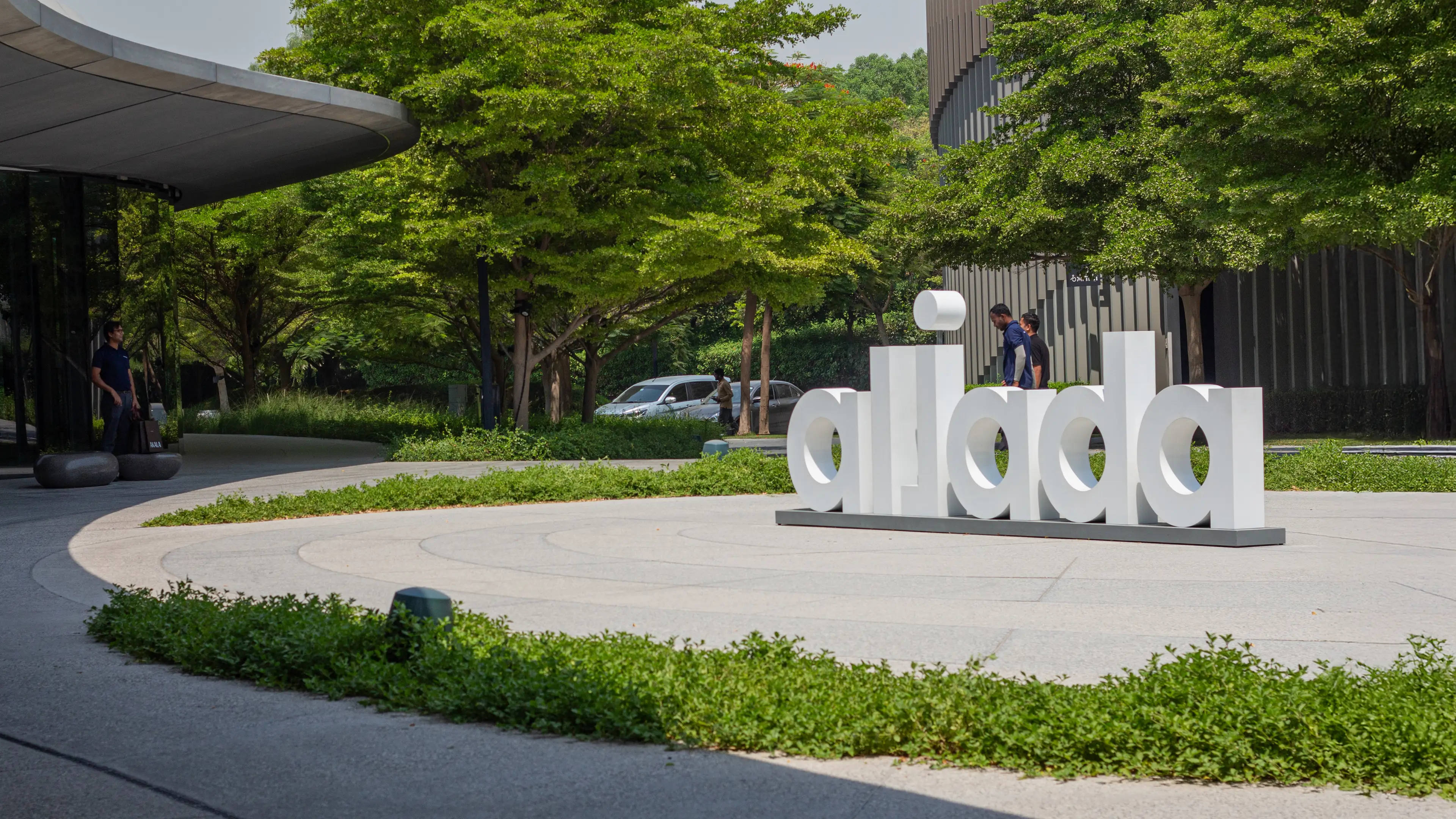
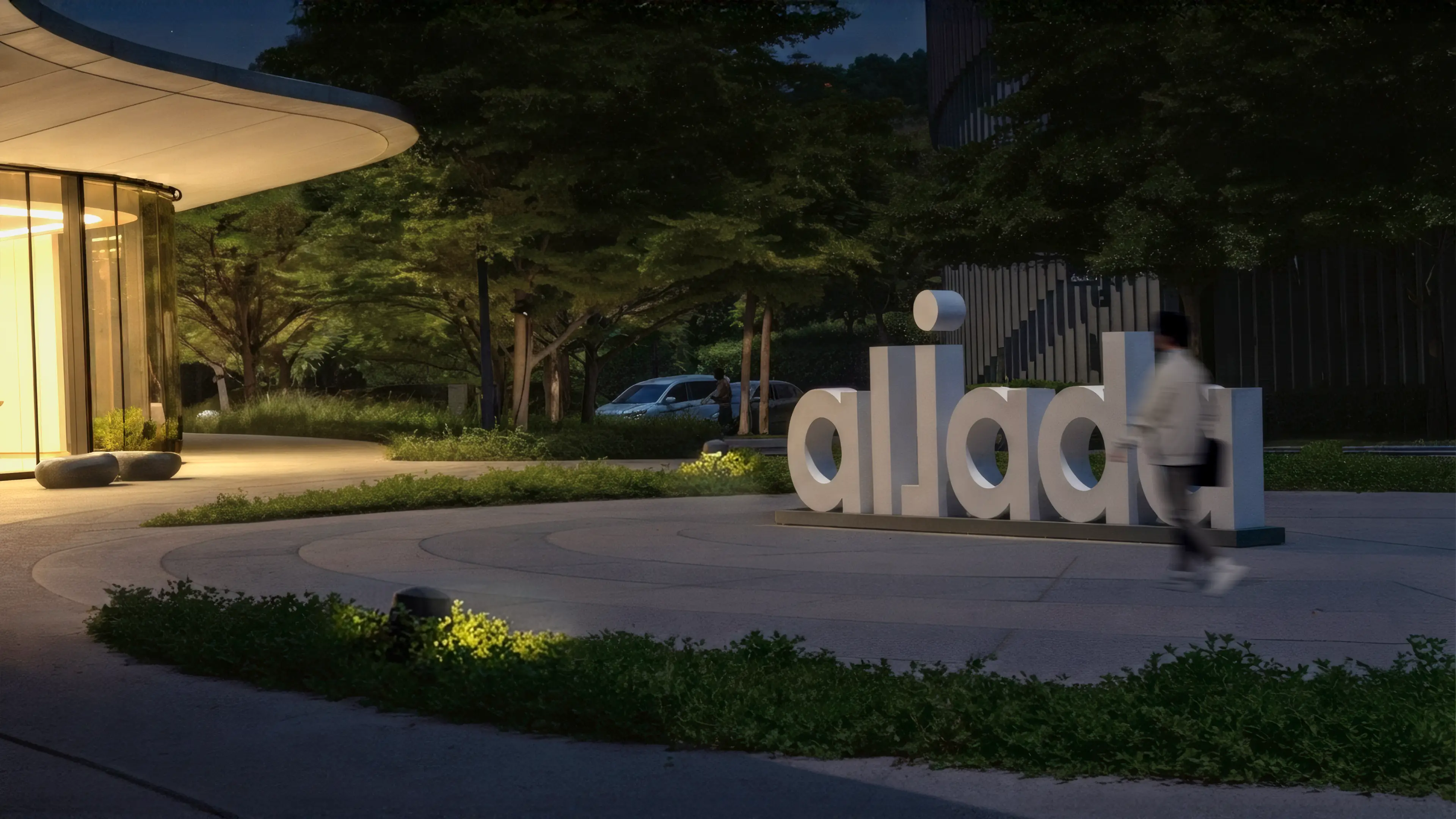
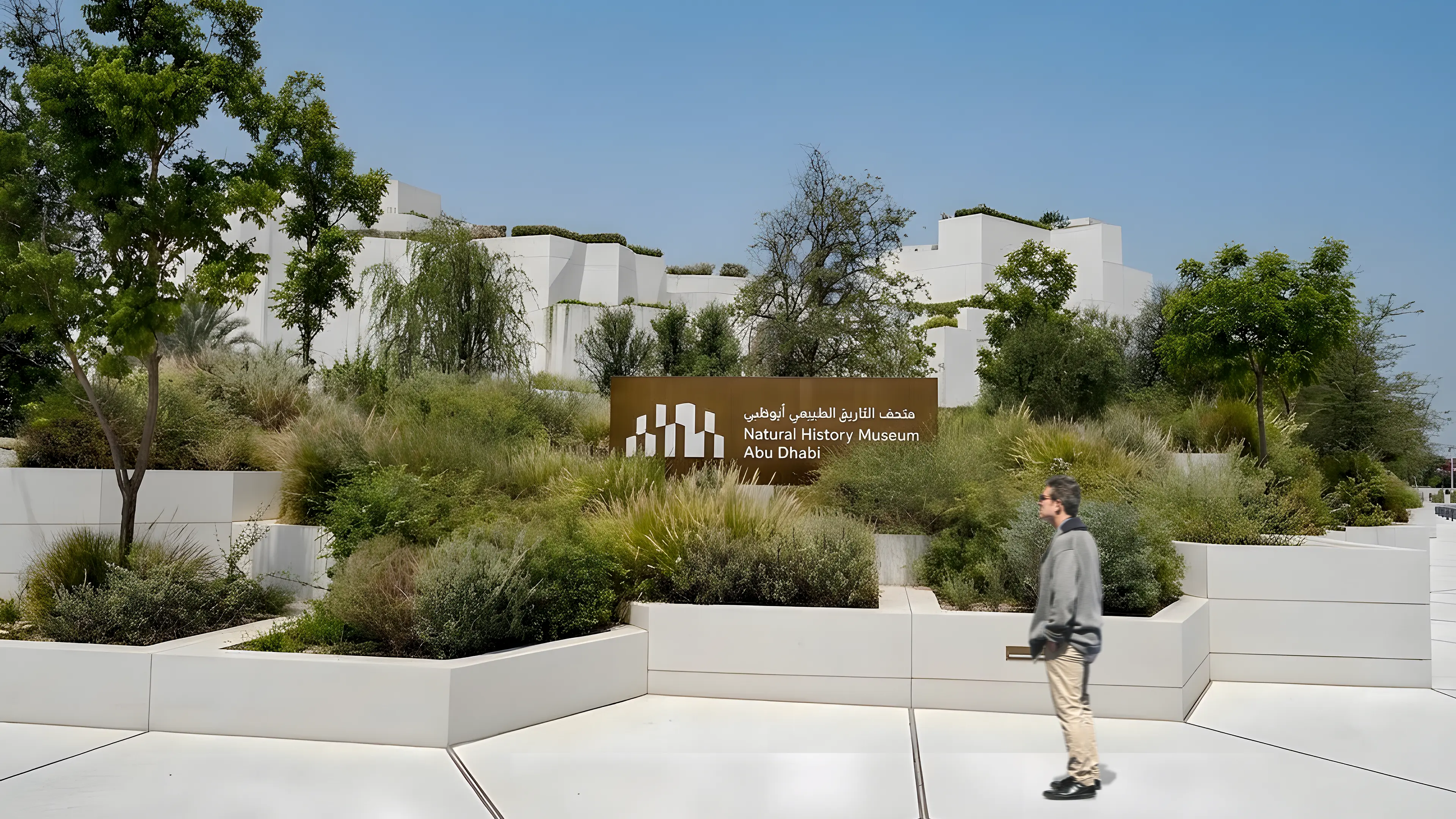
LIMAH studies planning, circulation, visibility, landmarks, thresholds and changes in spatial character. We identify opportunities for architecture, public realm, naming, maps, views and environmental communication to work together as orientation tools.
The strategy may influence how zones are distinguished, how arrival points are understood and how users regain confidence after transitions or route changes.
Spatial Orientation Strategy strengthens Wayfinding & Navigation by giving people context, not only instructions. It reduces uncertainty and allows users to make better decisions using both the environment and the information system.
The outcome is a place that feels more legible, connected and intuitive from first arrival through to final destination.