YAS BAY
ABU DHABI





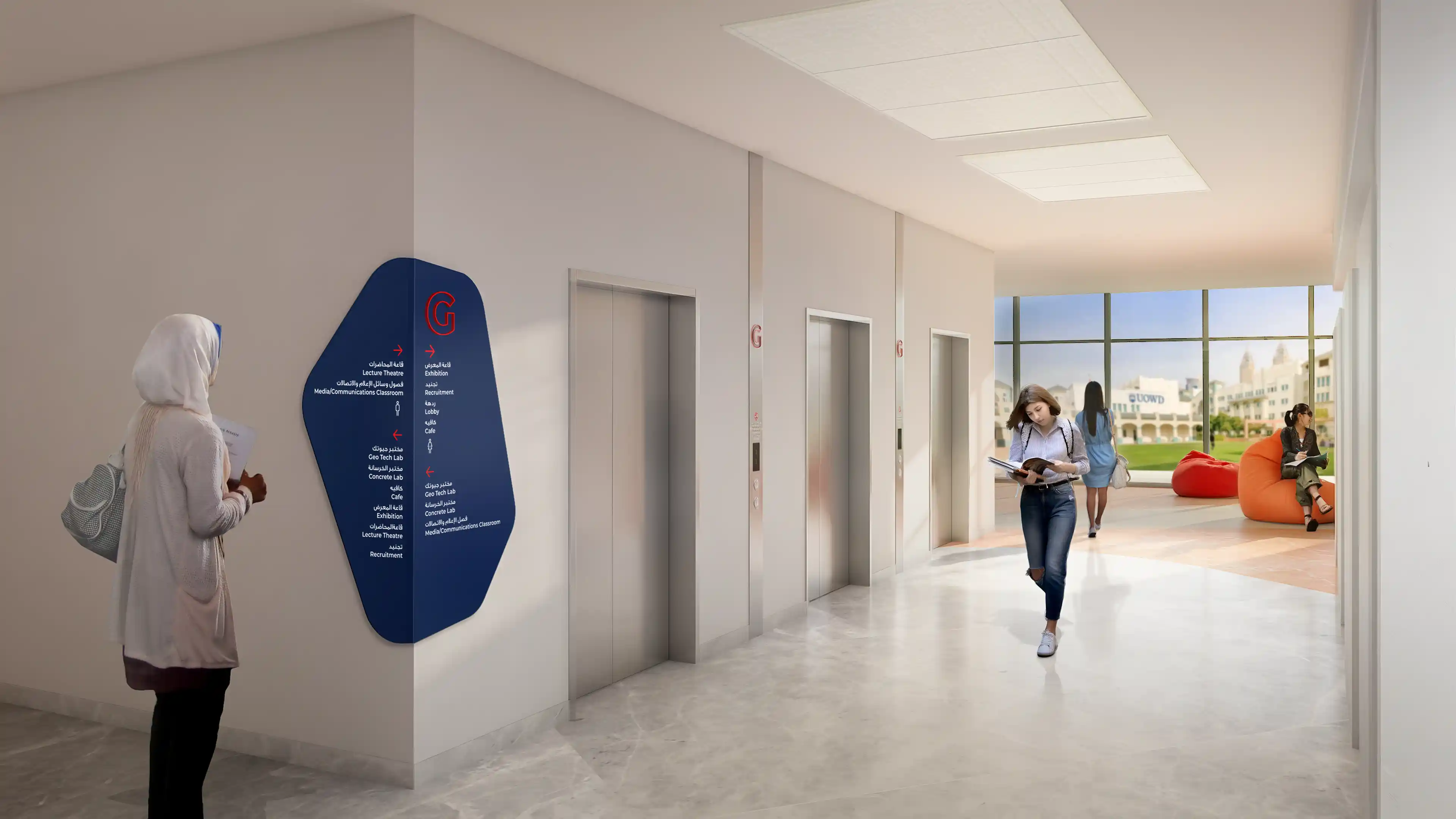
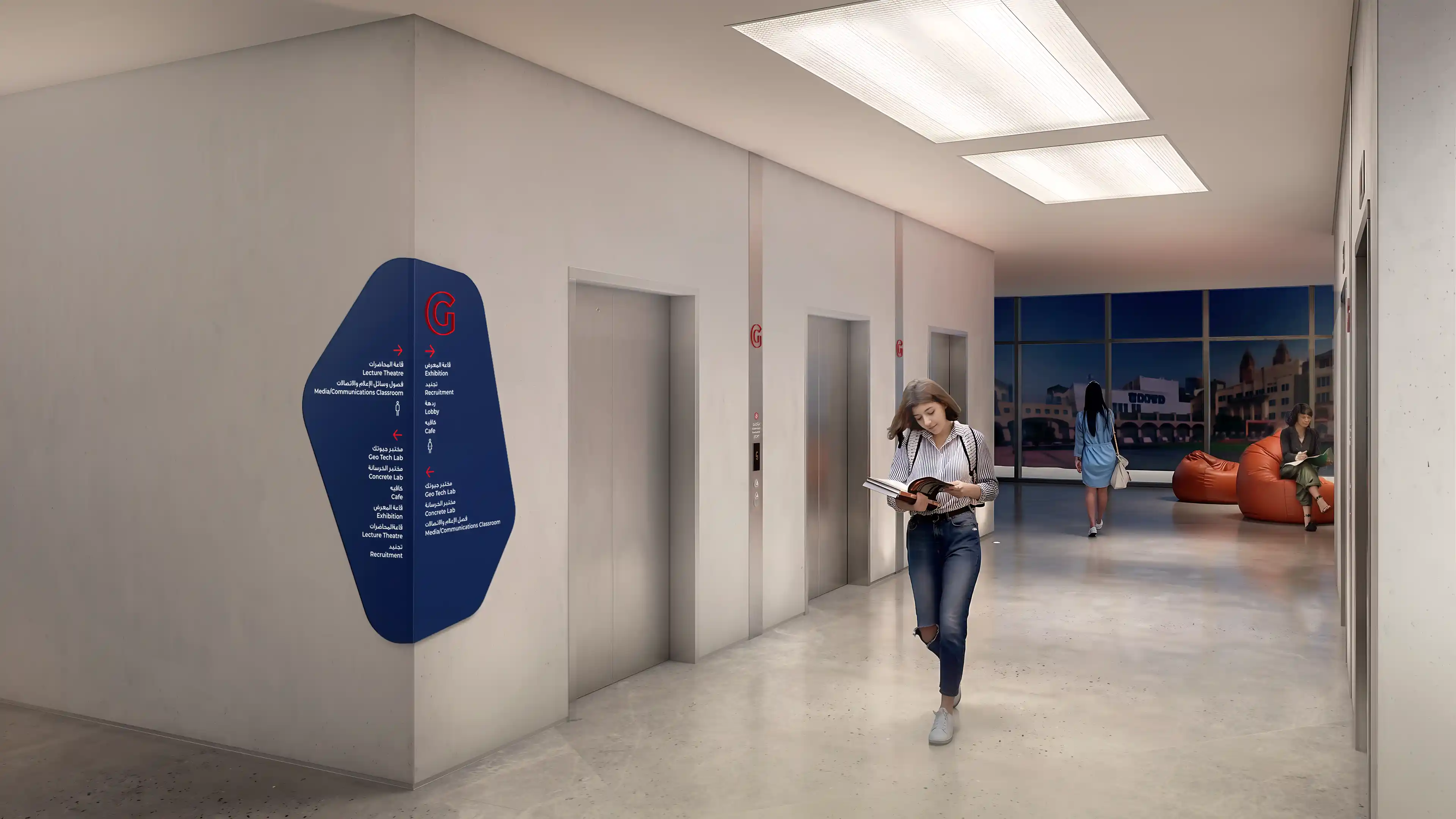
Cognitive Mapping examines how people mentally understand, organise and remember a built environment.
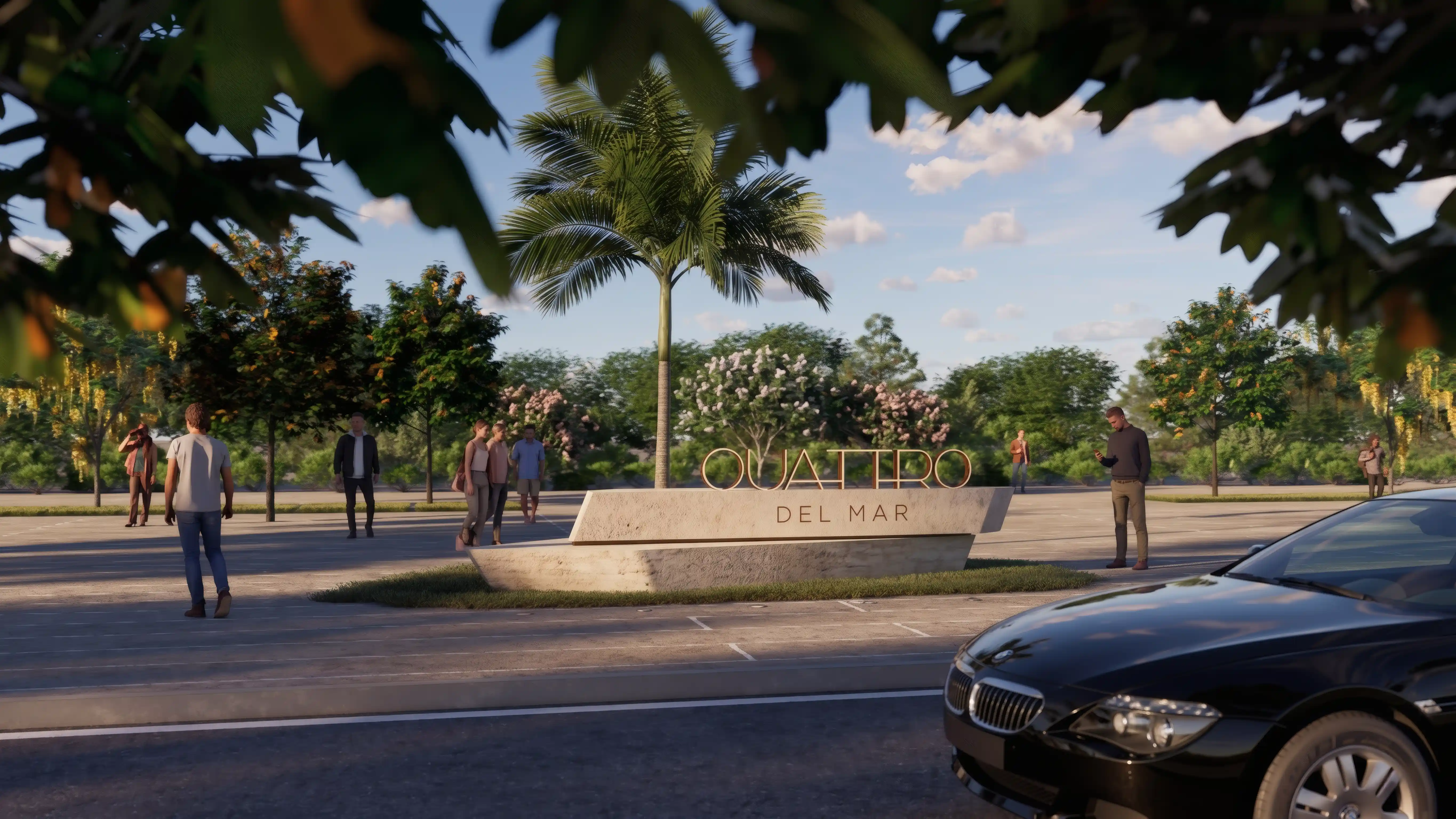
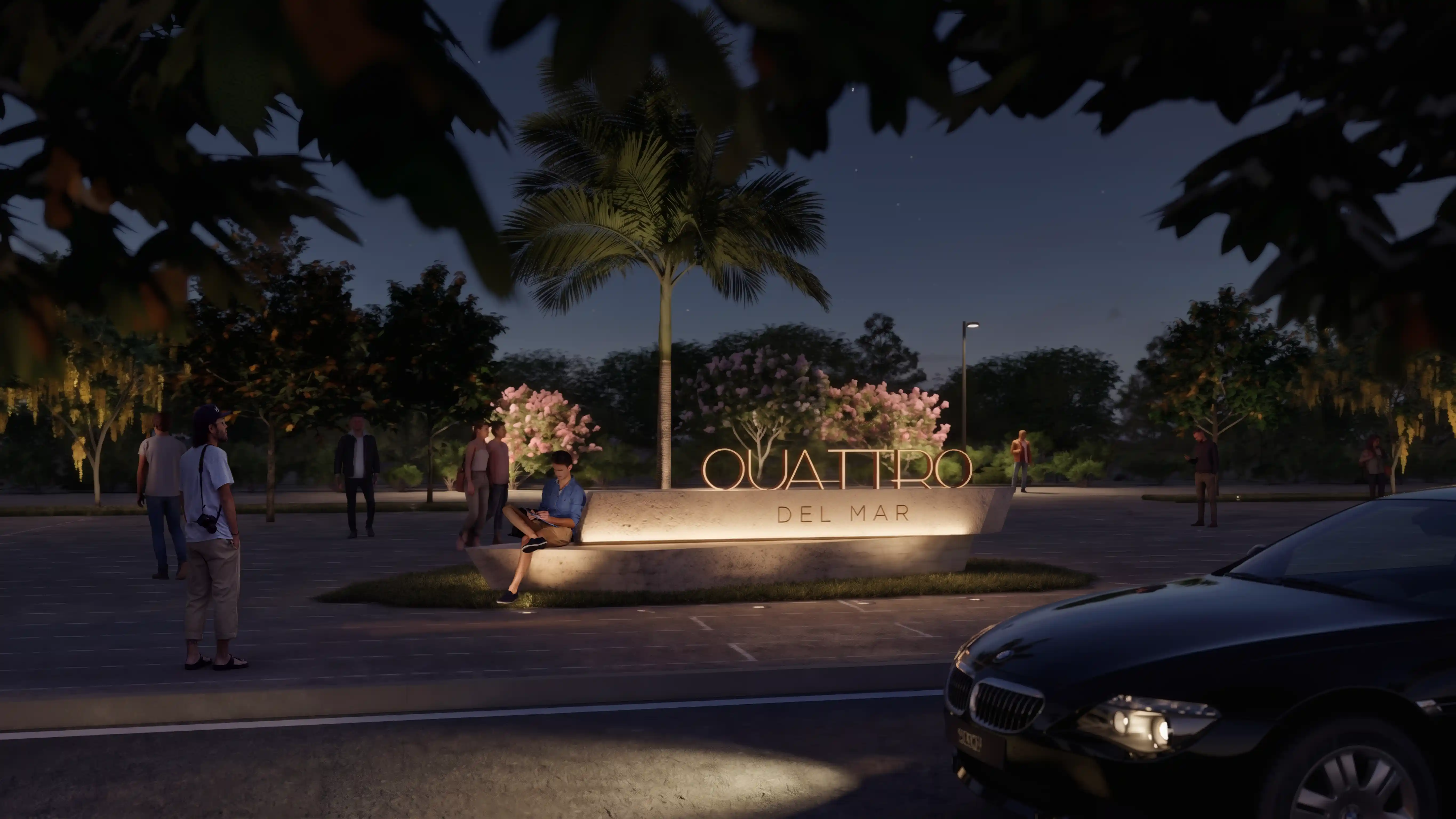
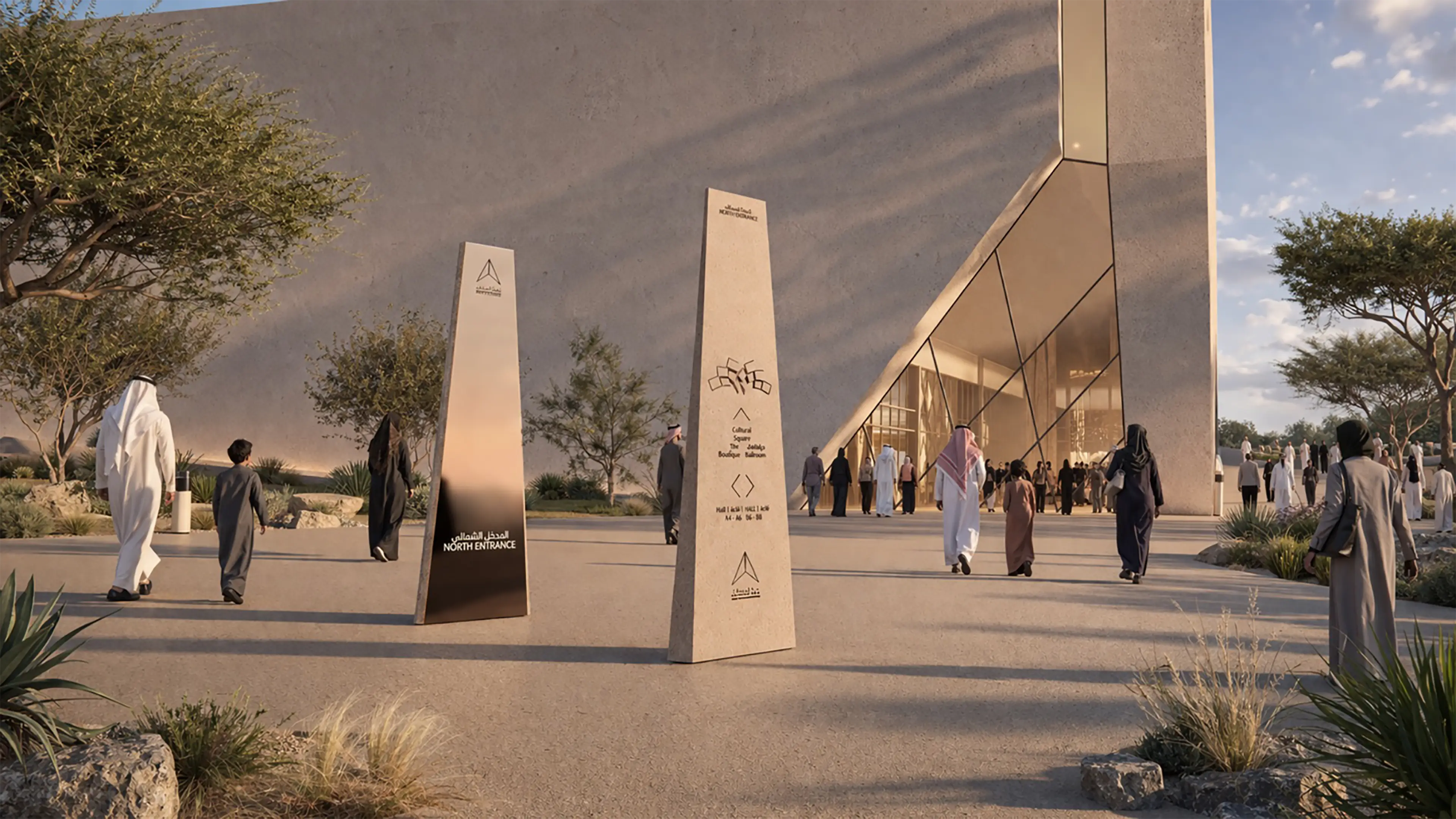
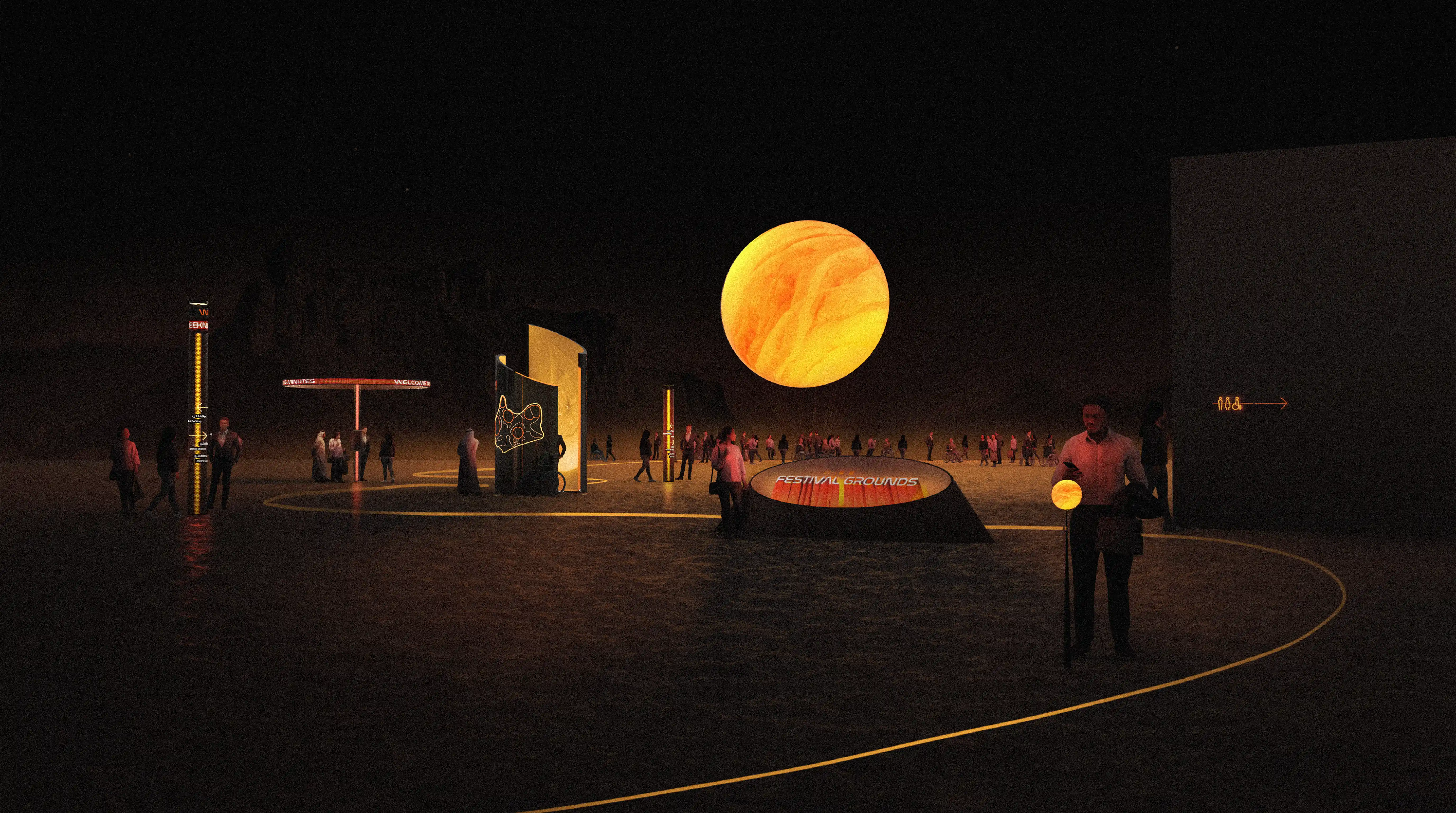
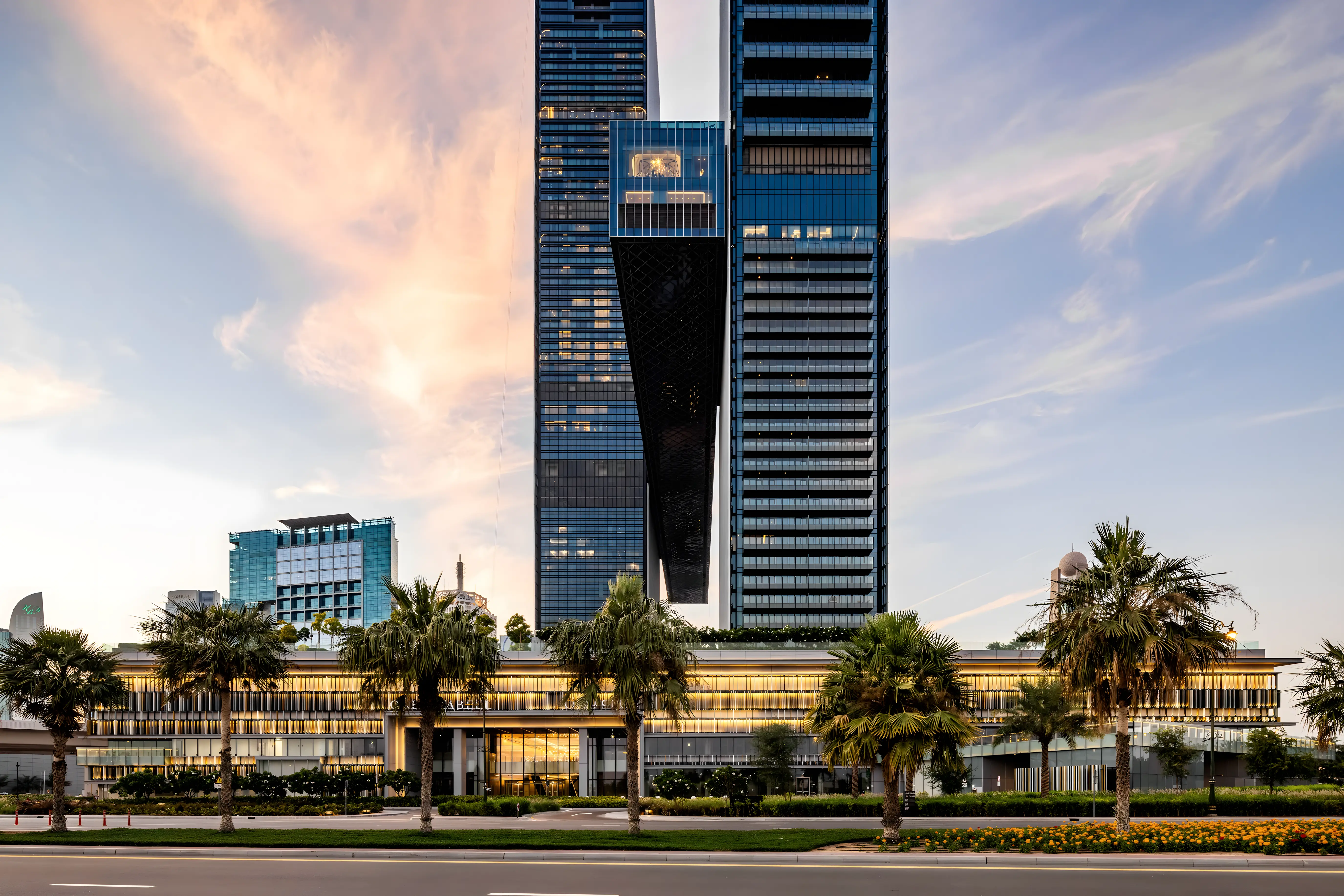
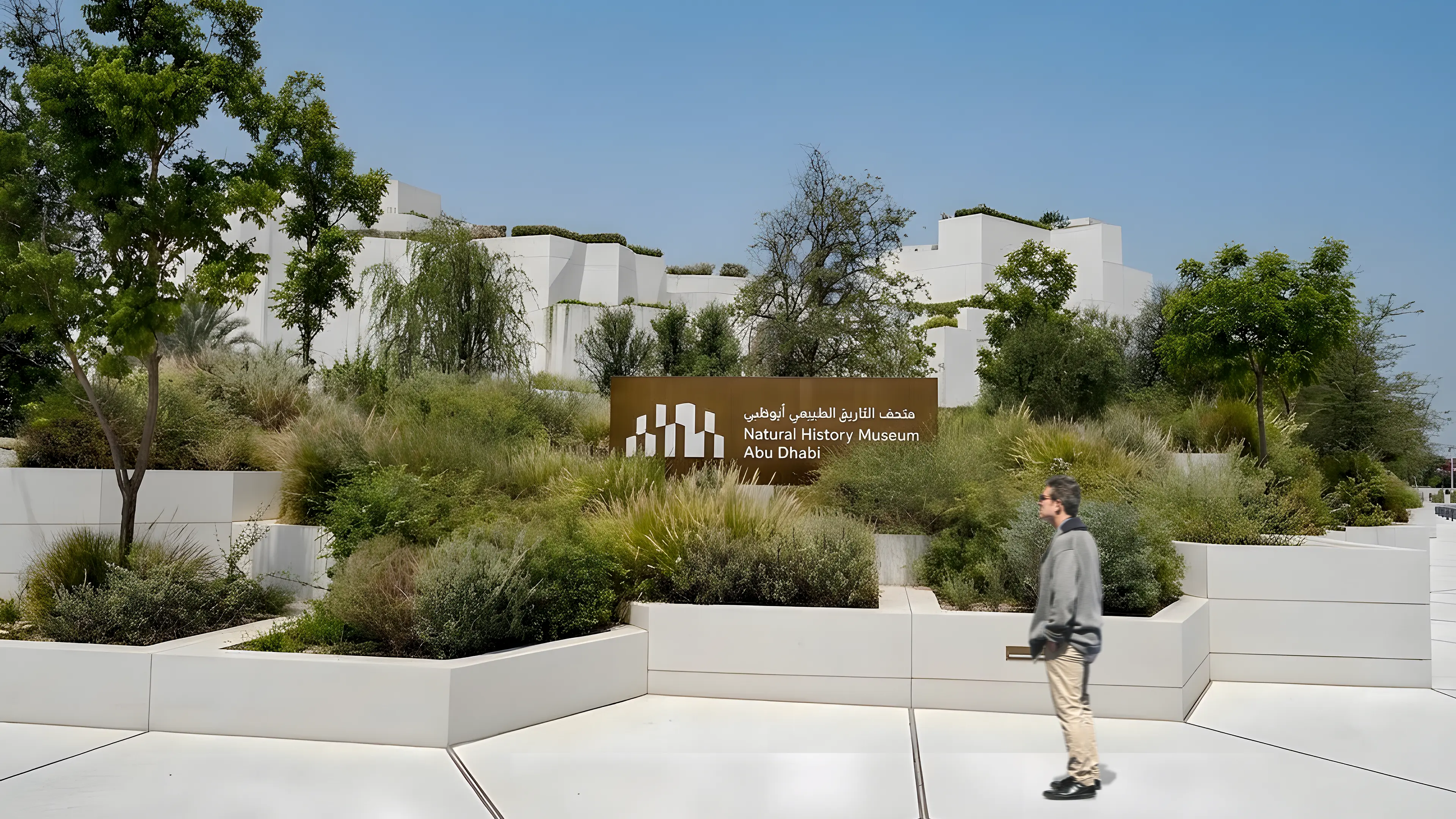
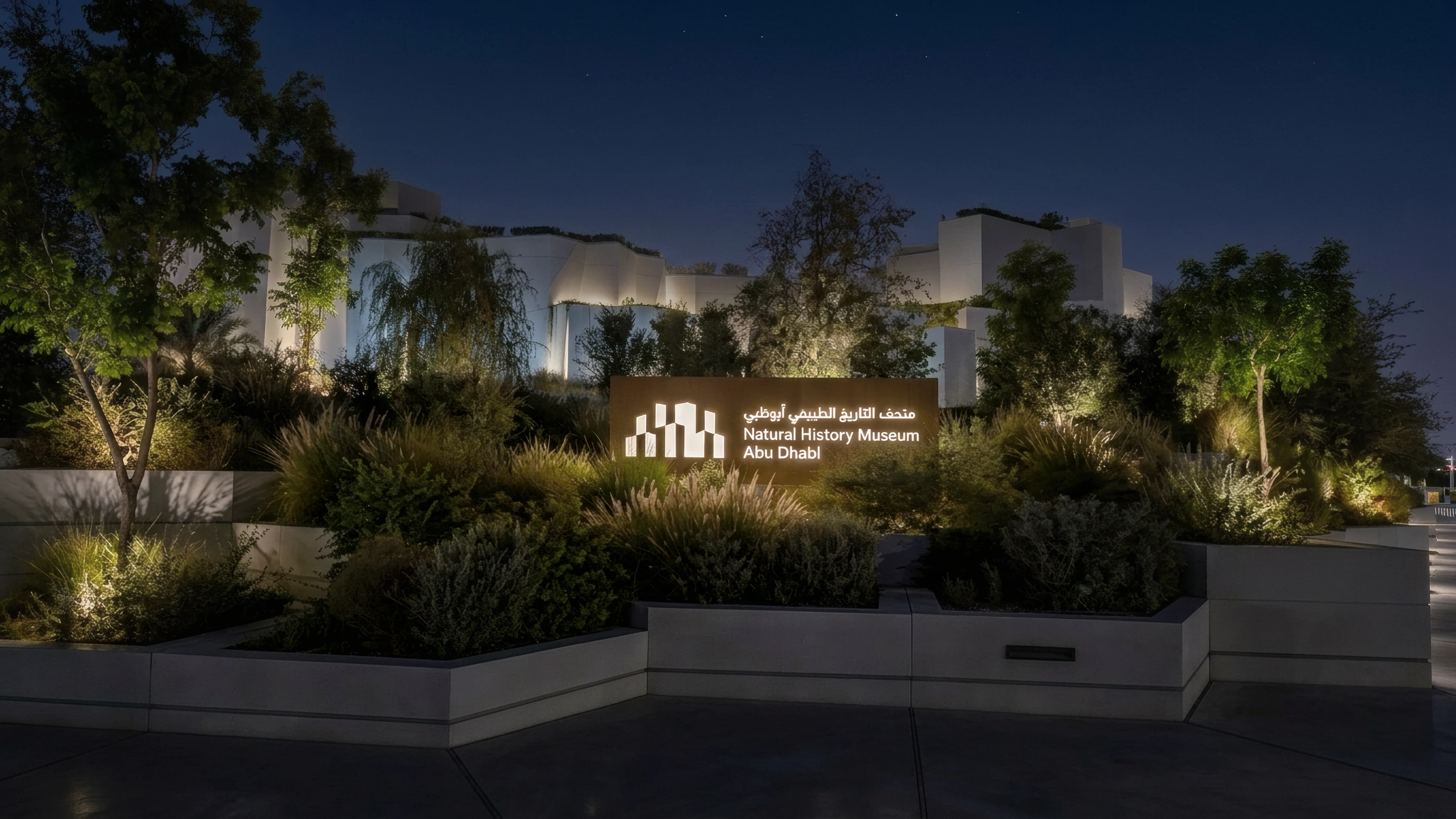
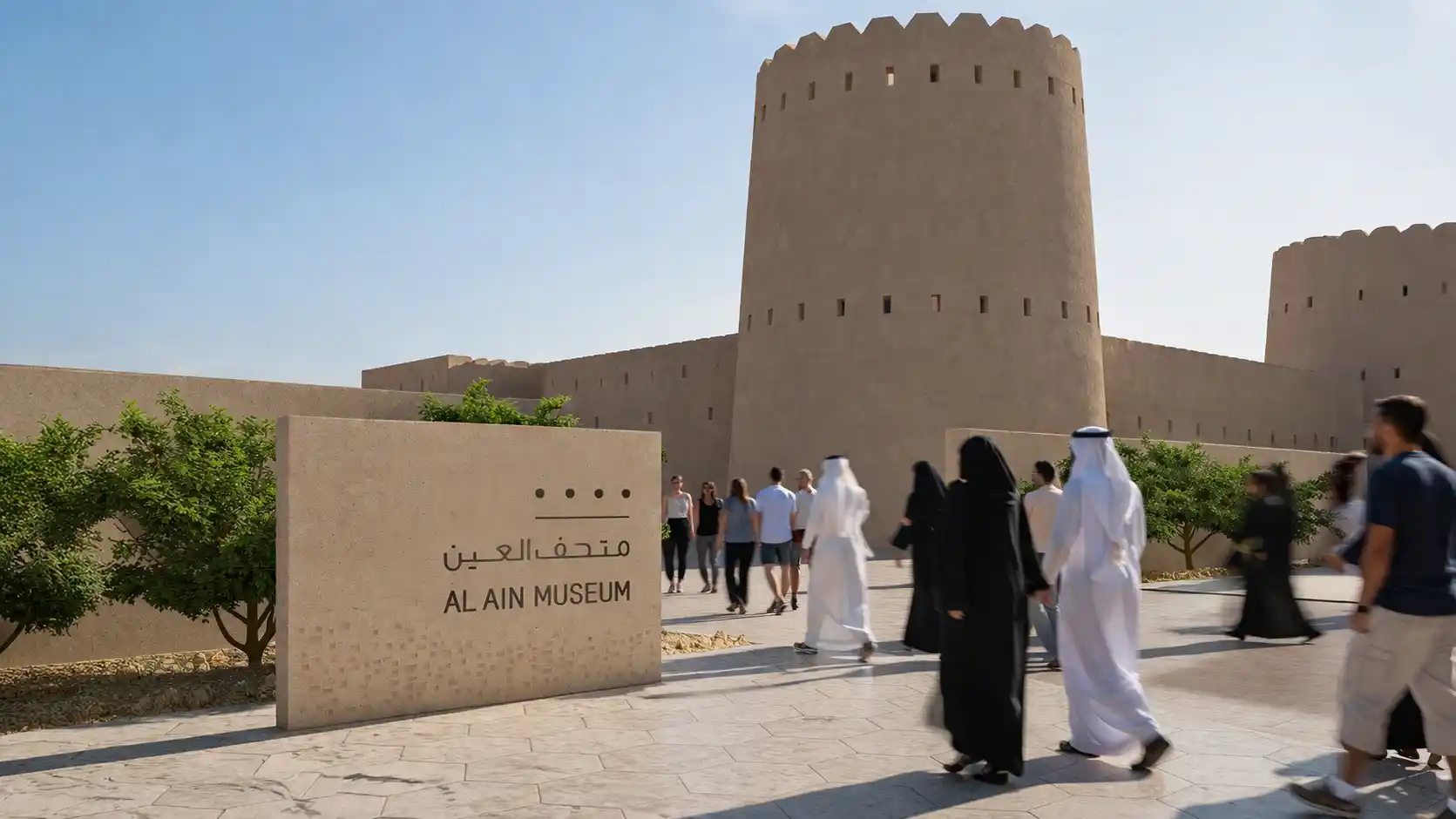
Users do not navigate through signs alone. They rely on landmarks, spatial sequences, visible destinations, changes in character and memorable reference points to form an internal picture of where they are.
When that picture is weak, every journey feels less certain.
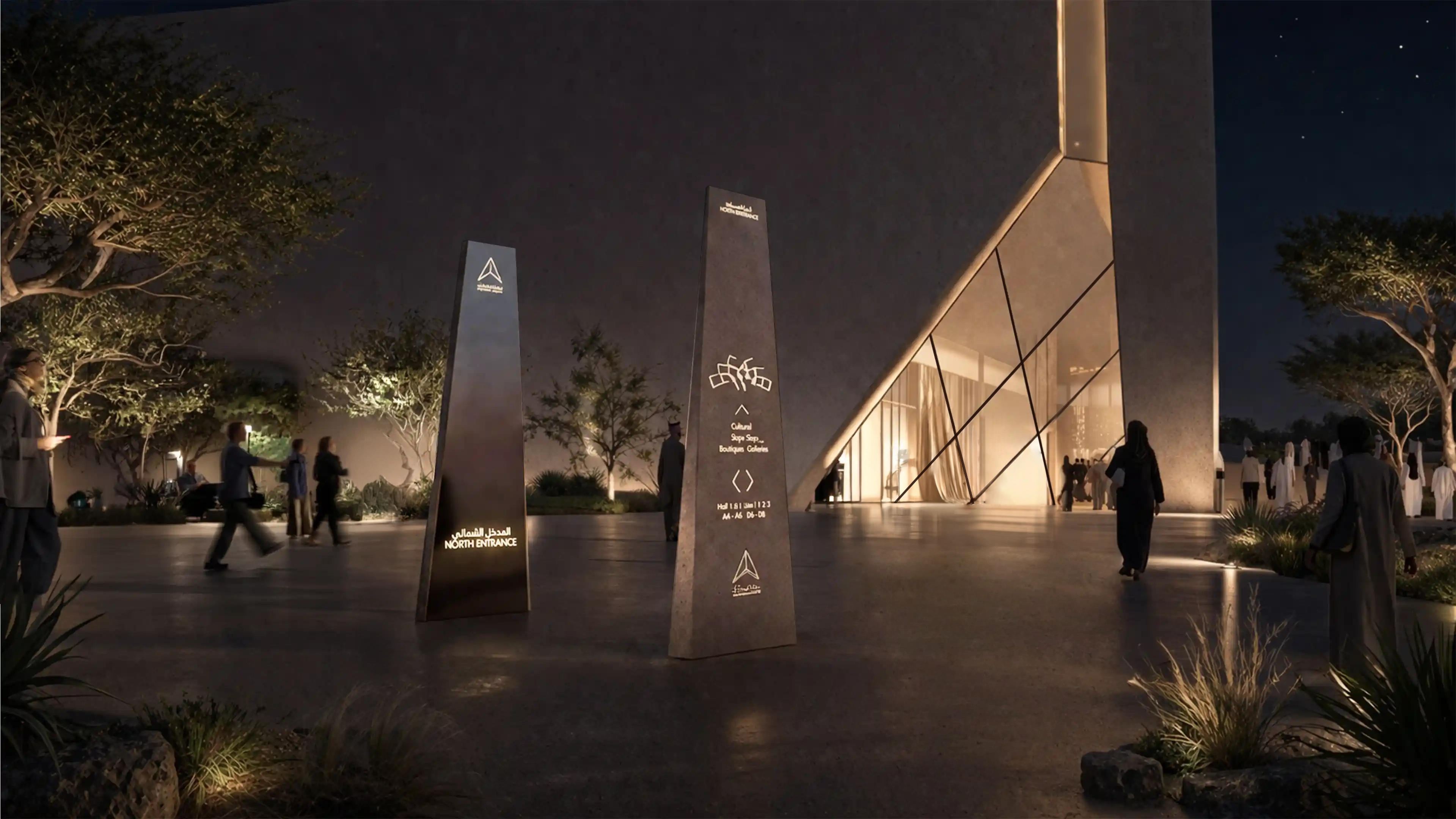
LIMAH studies how architecture, public realm, identity, movement and information work together to create mental clarity. We identify where users may lose orientation, which features can become reliable anchors and how routes can be made easier to recall.
This insight helps shape spatial planning, landmark strategy, naming, environmental communication and wayfinding decisions before confusion becomes embedded in the place.
Cognitive Mapping strengthens the wider Wayfinding & Navigation system by reducing dependence on repeated instructions. People move with greater confidence because the environment itself becomes easier to read and remember.
The value is not only clearer movement. It is a place that feels coherent, learnable and more trustworthy each time someone returns.