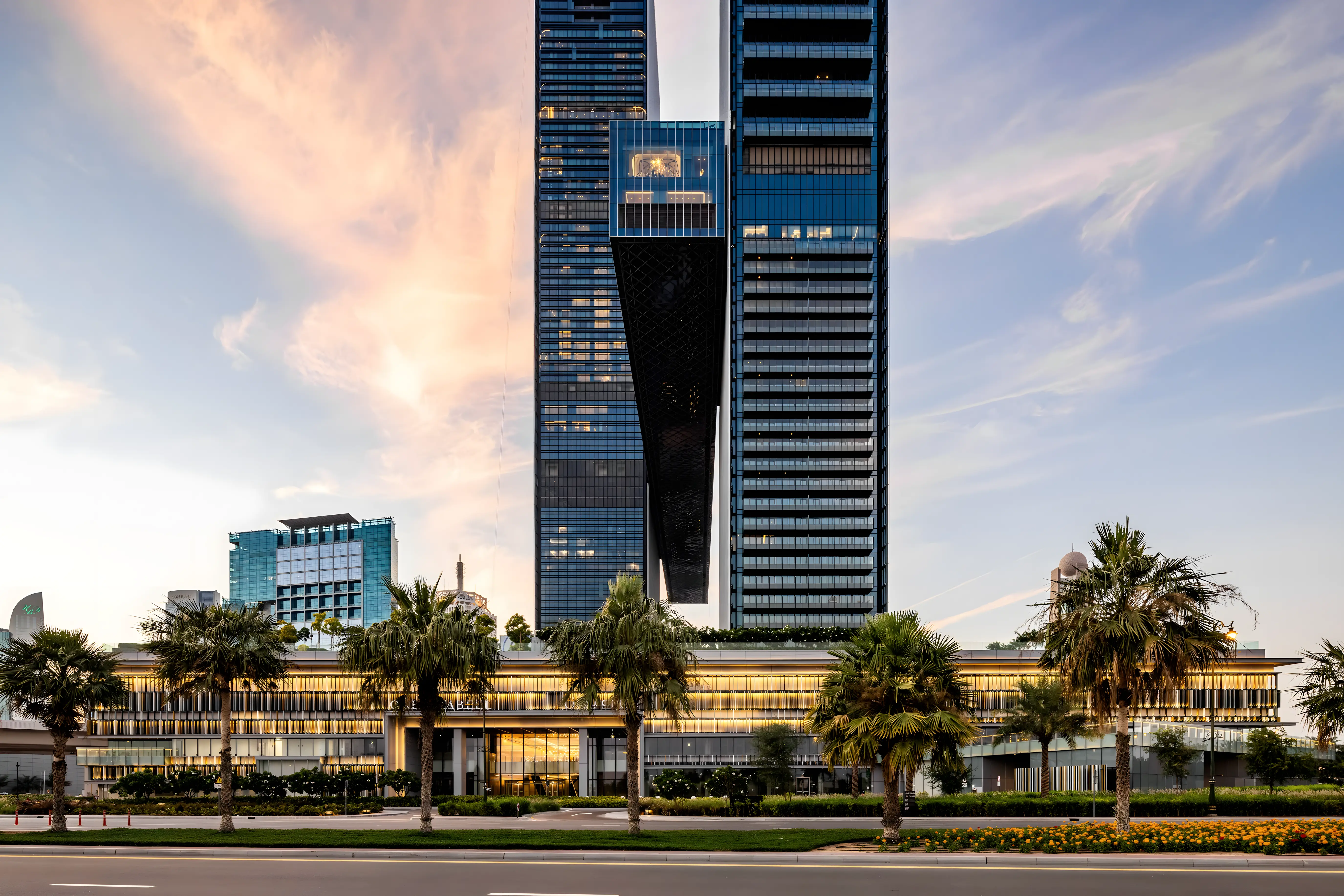
YAS BAY
ABU DHABI





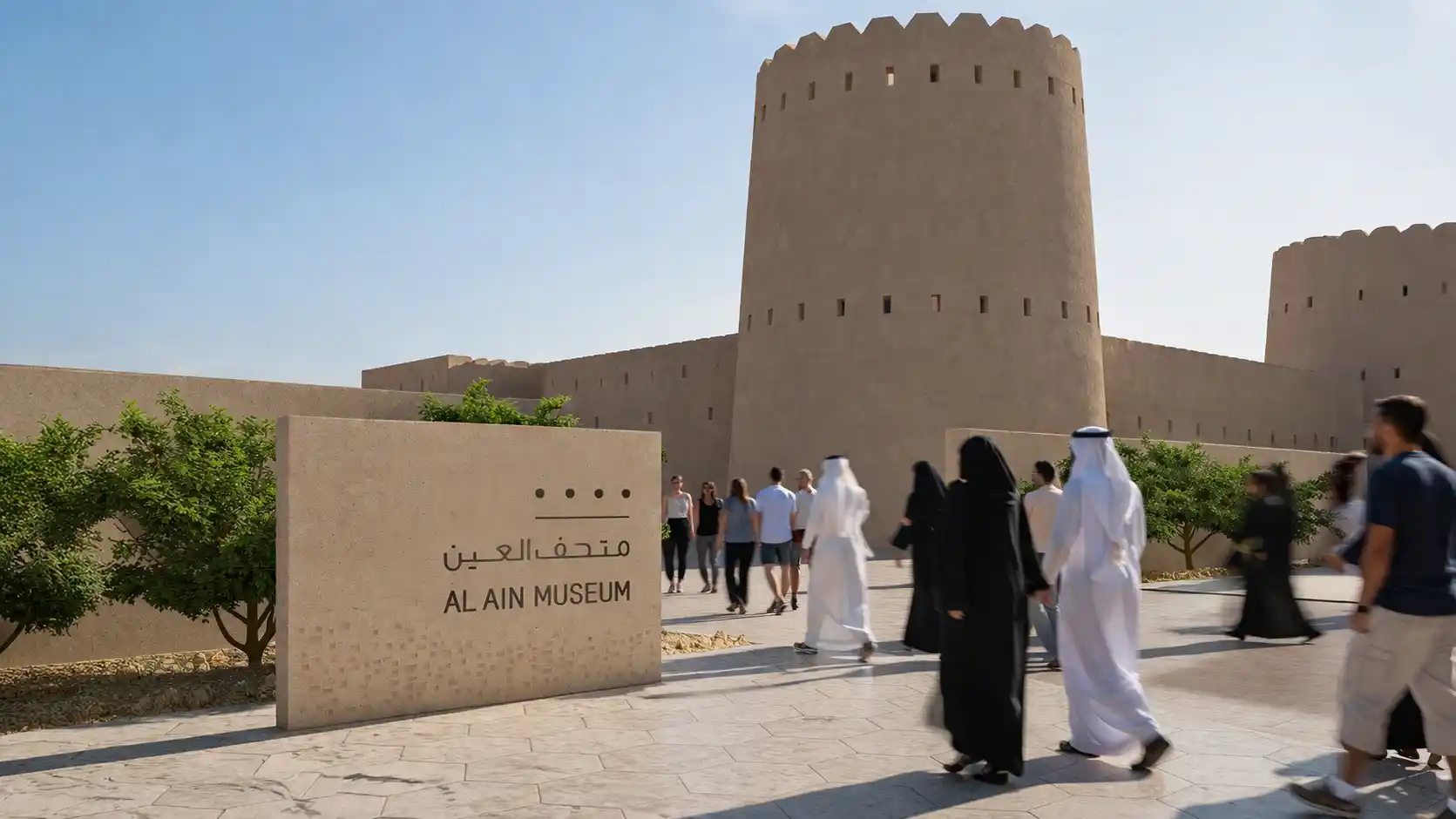
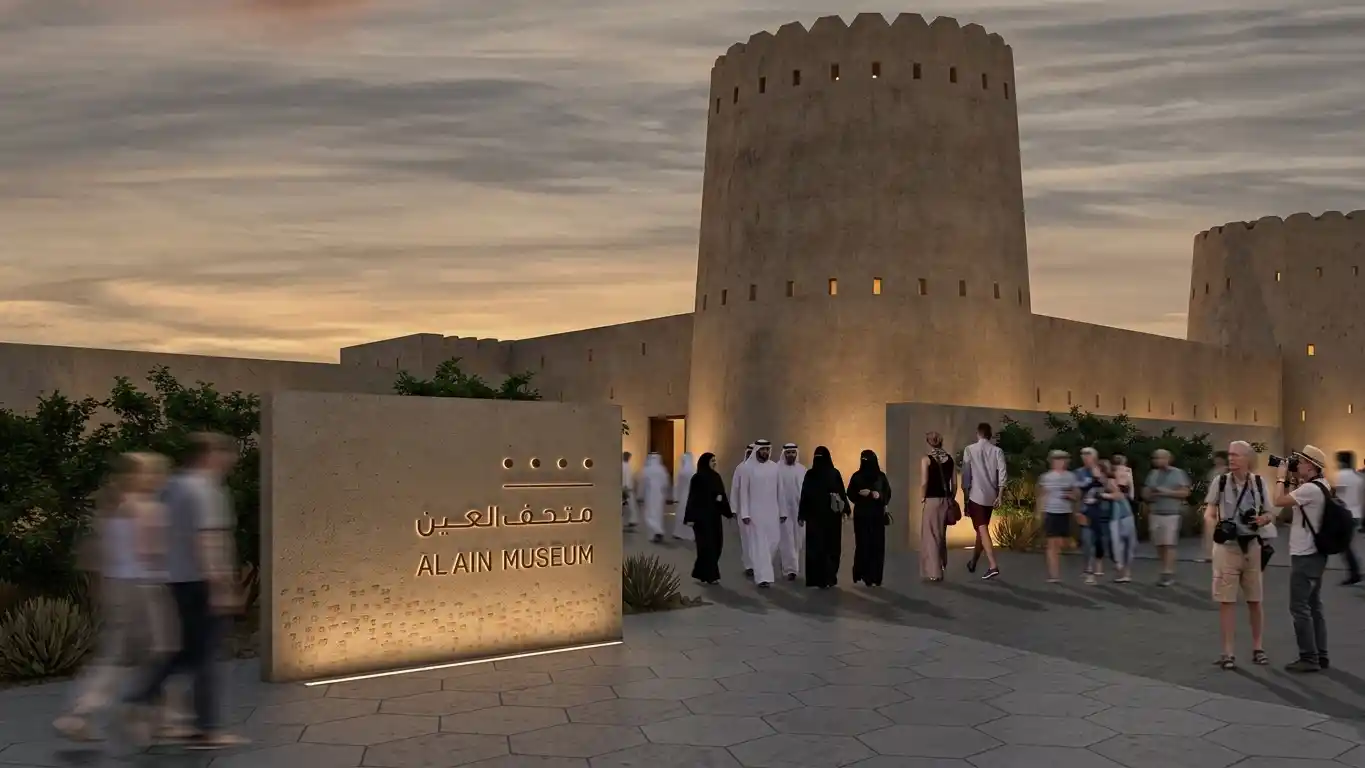
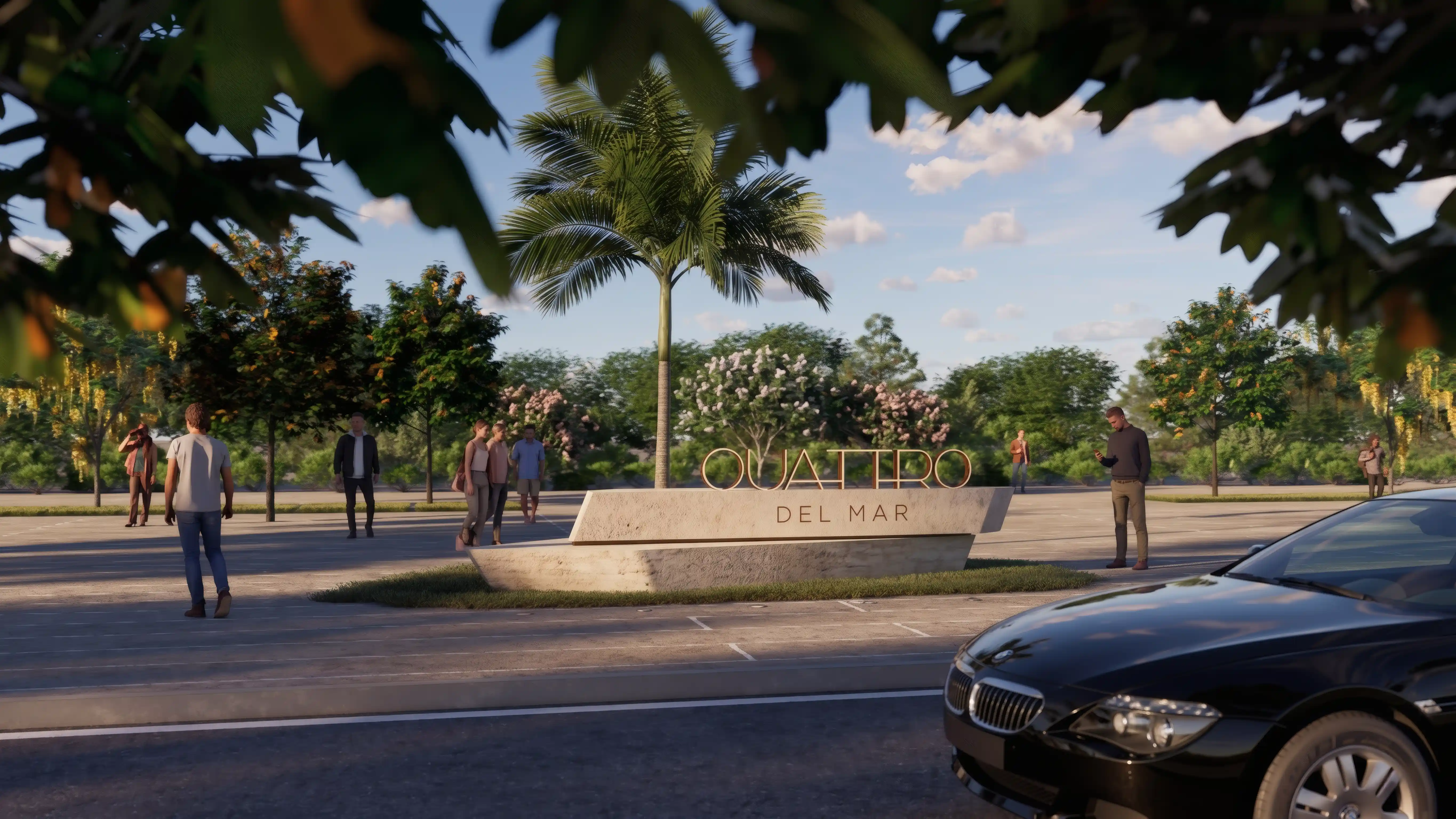
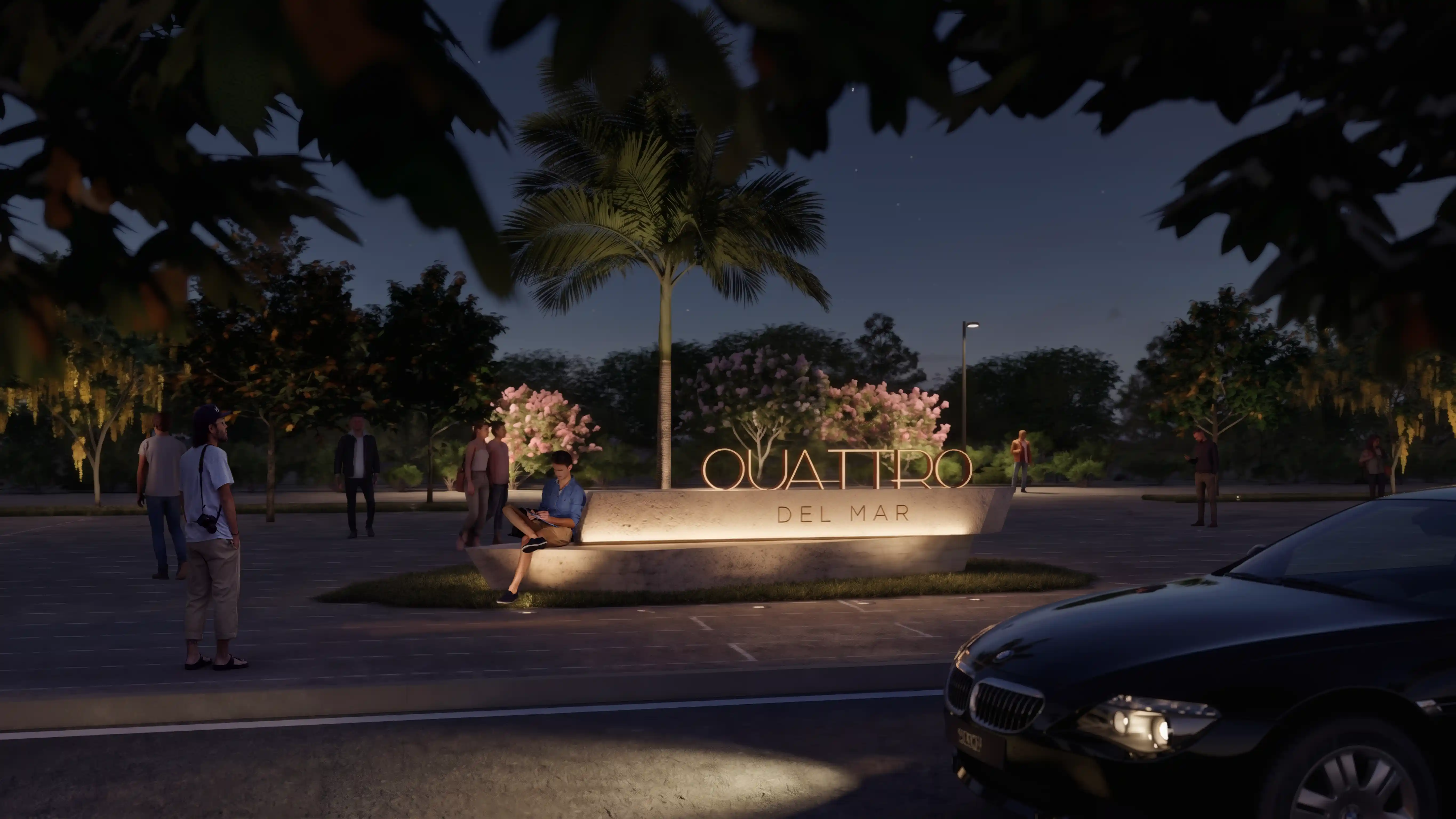
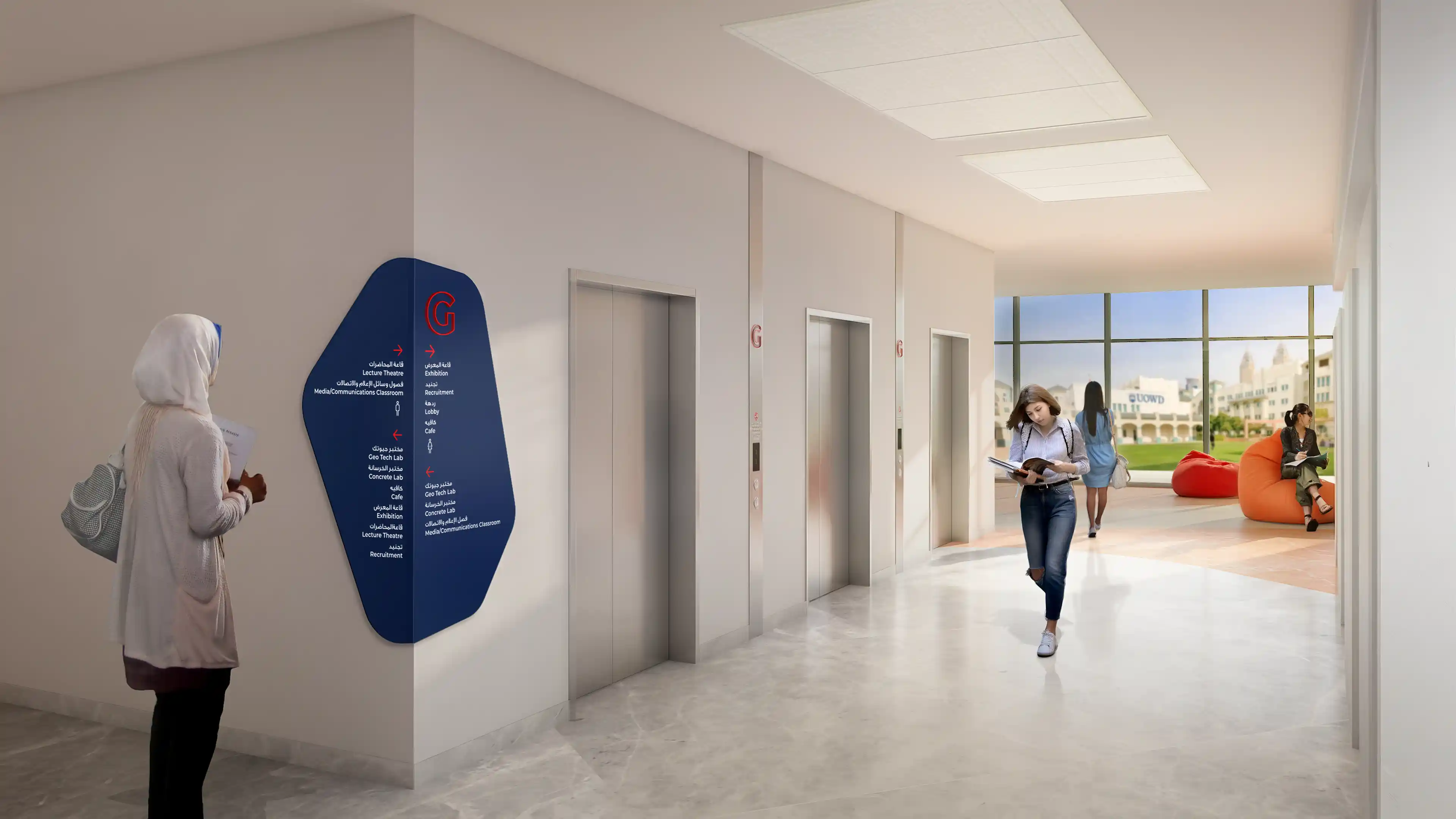
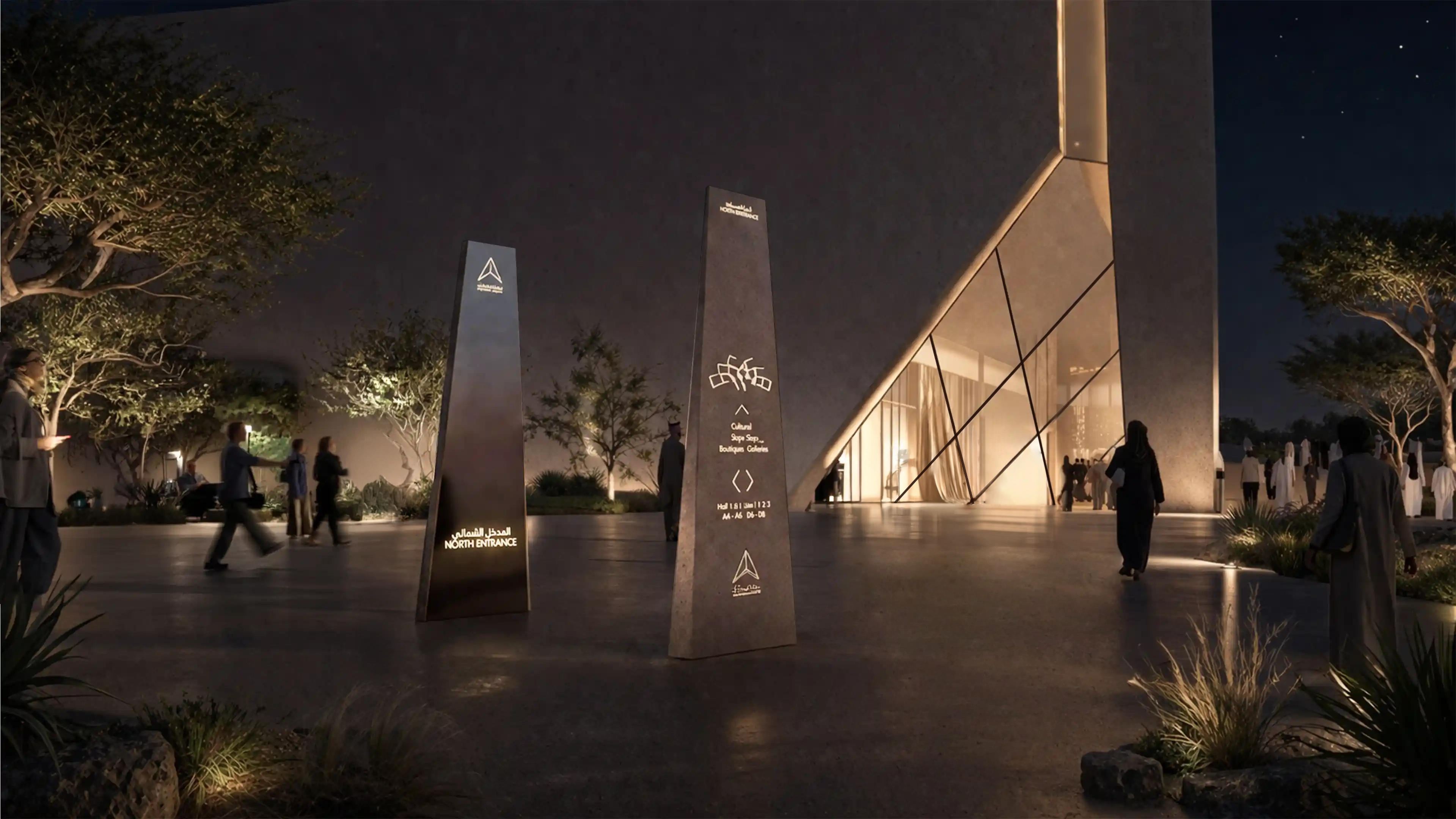
Legibility & Visibility Studies assess whether users can clearly see, recognise and understand the spatial and information cues that support navigation.
A message can be correctly designed and still fail if it is hidden, introduced too late or competing with the environment.
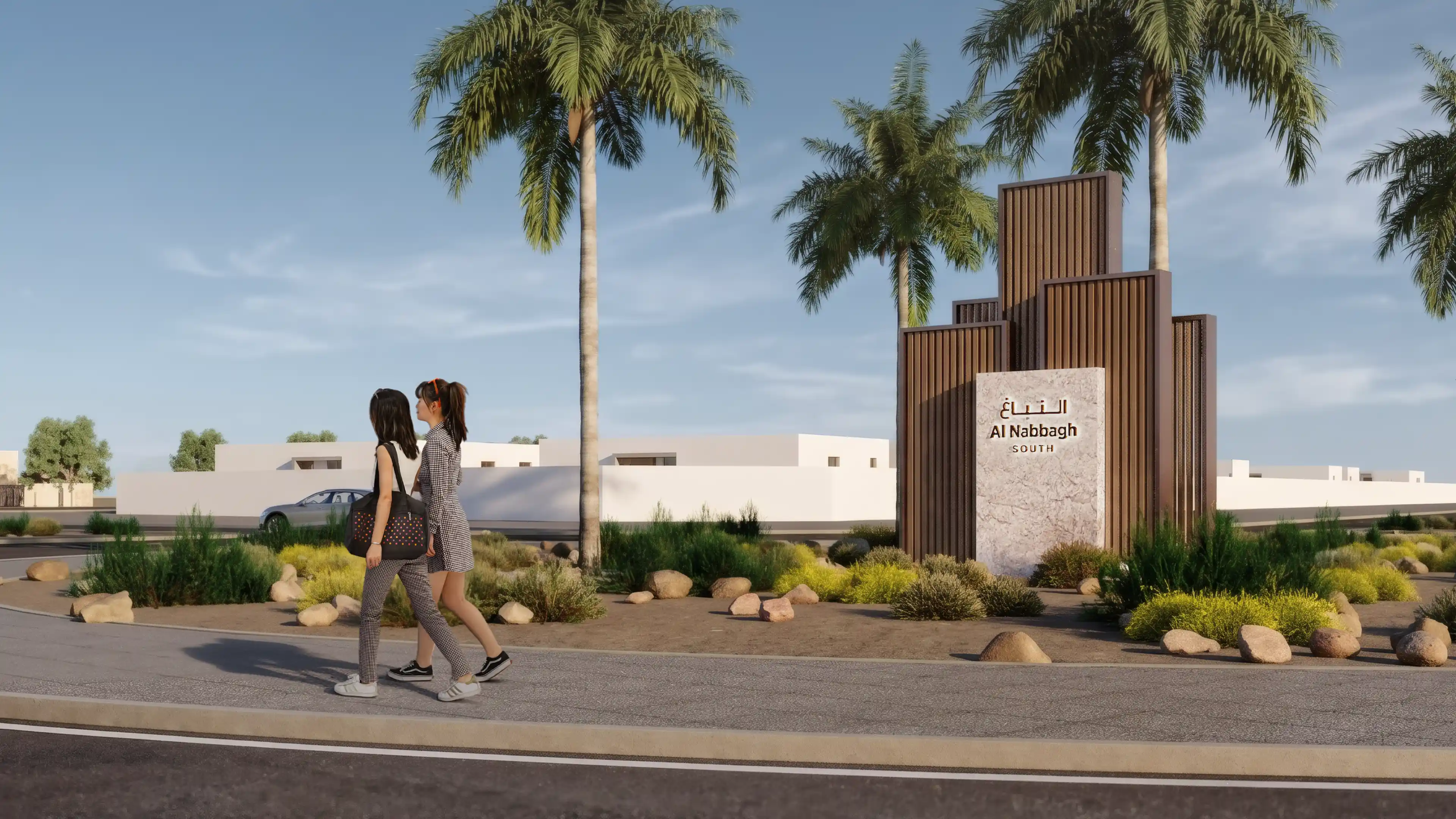
The same applies to entrances, landmarks, destinations and routes.
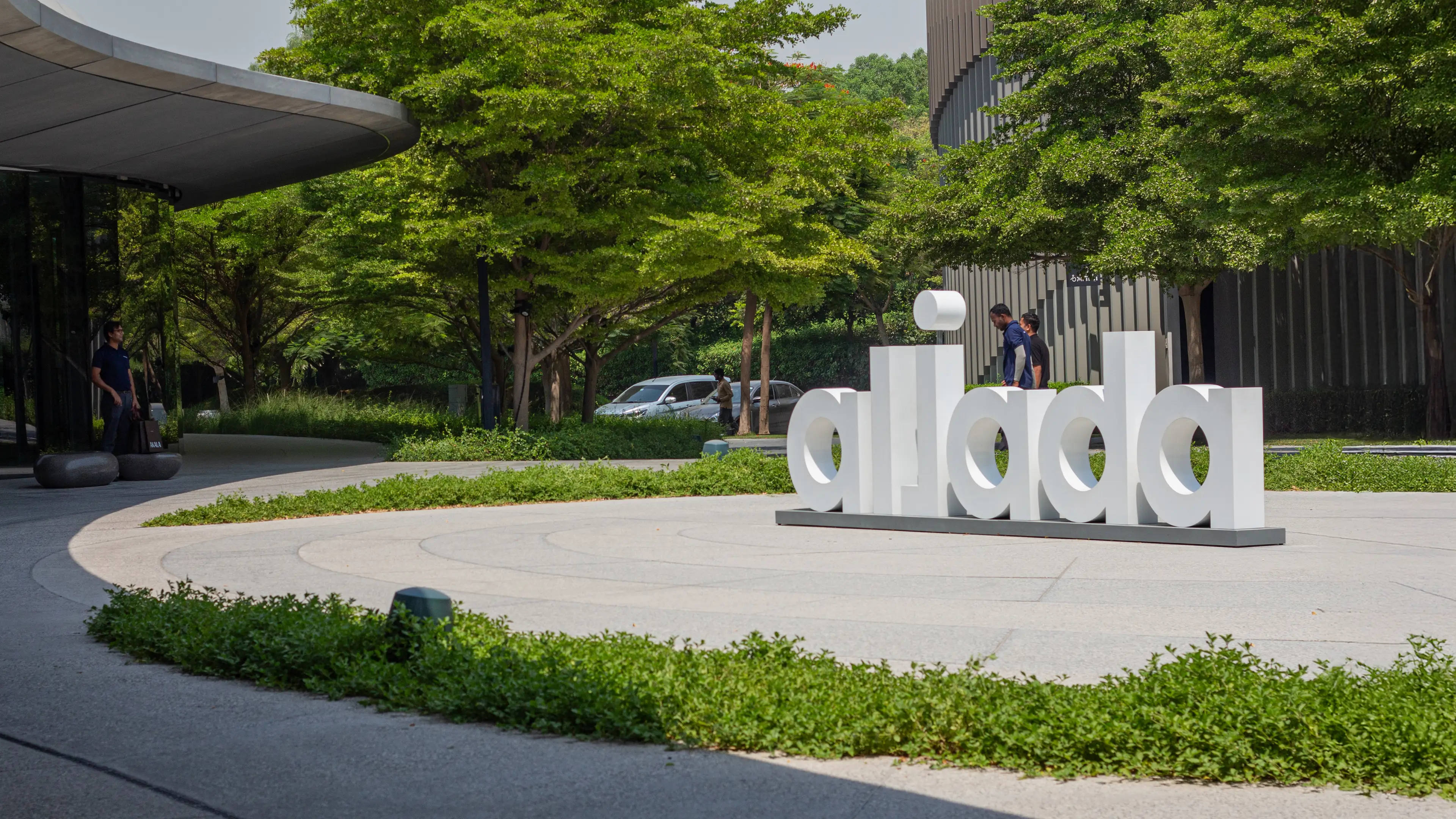
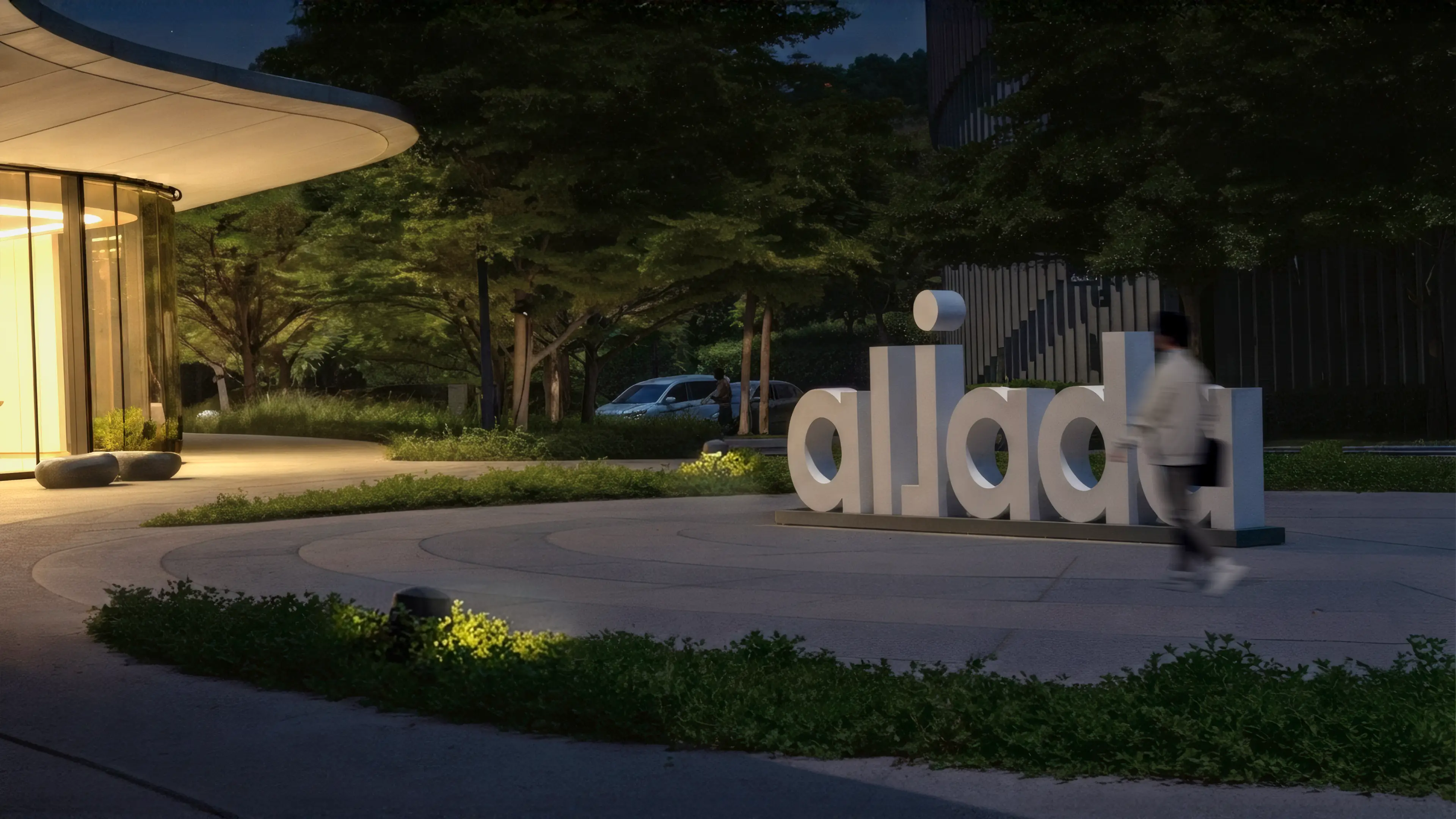
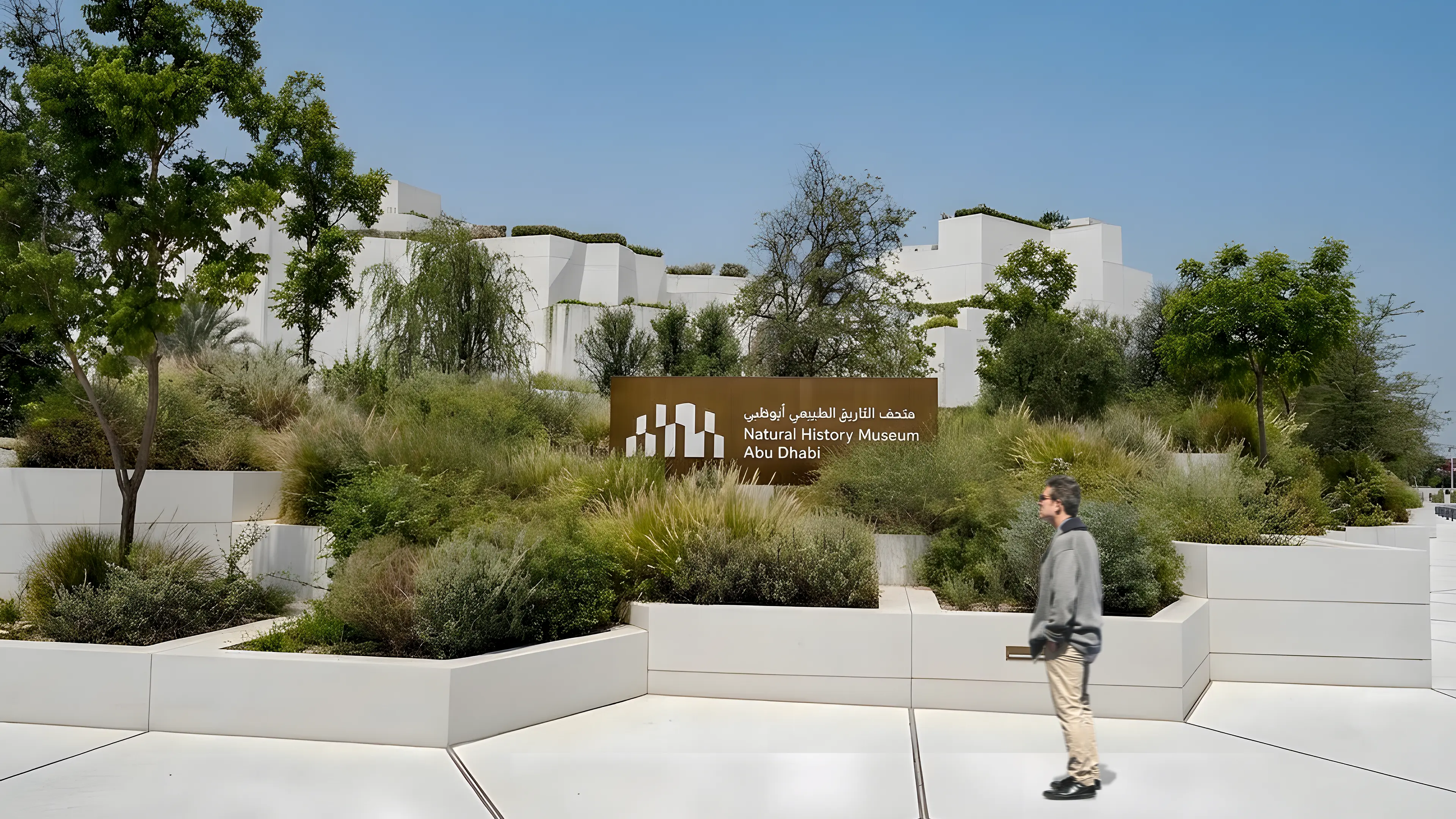
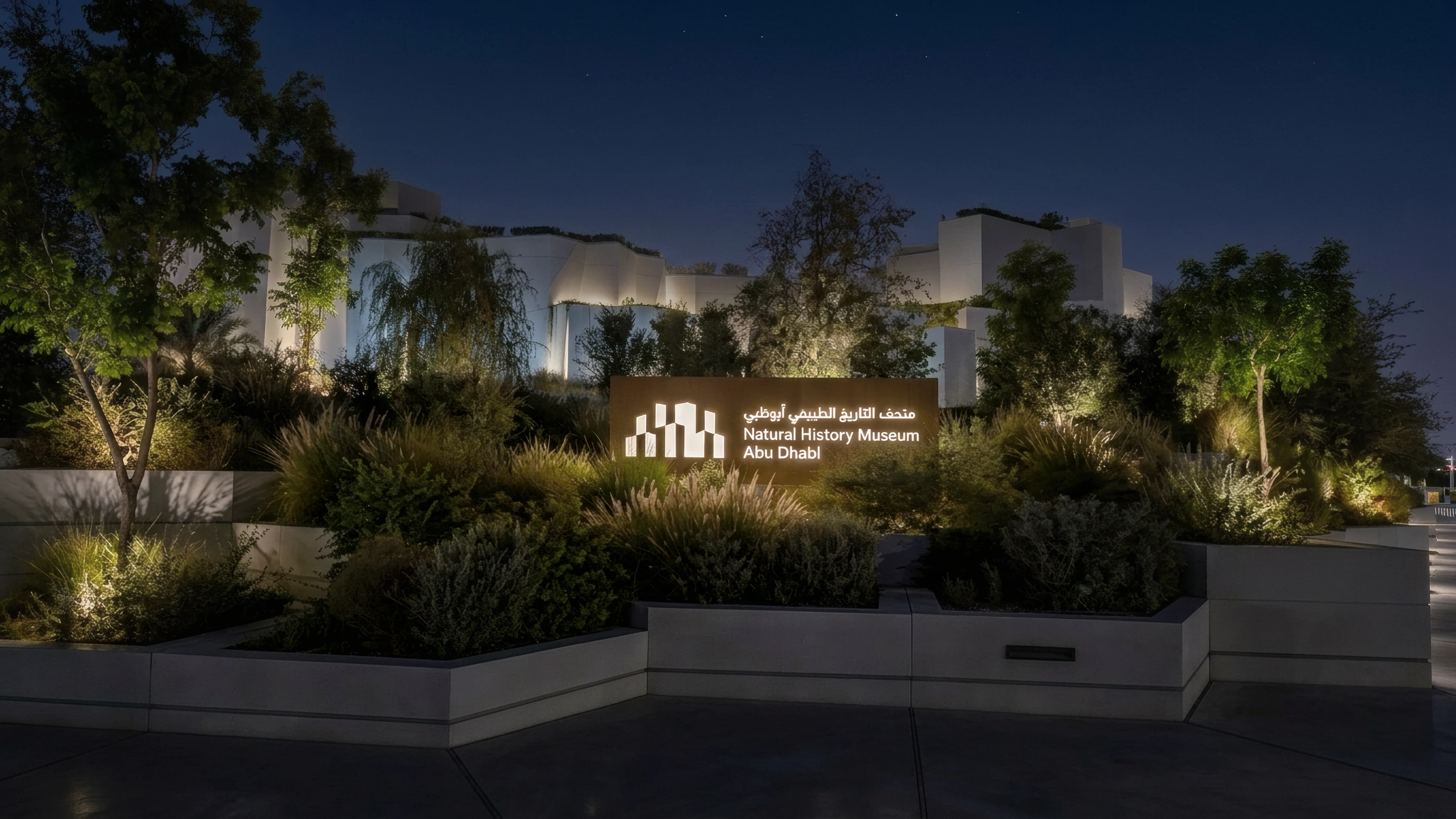
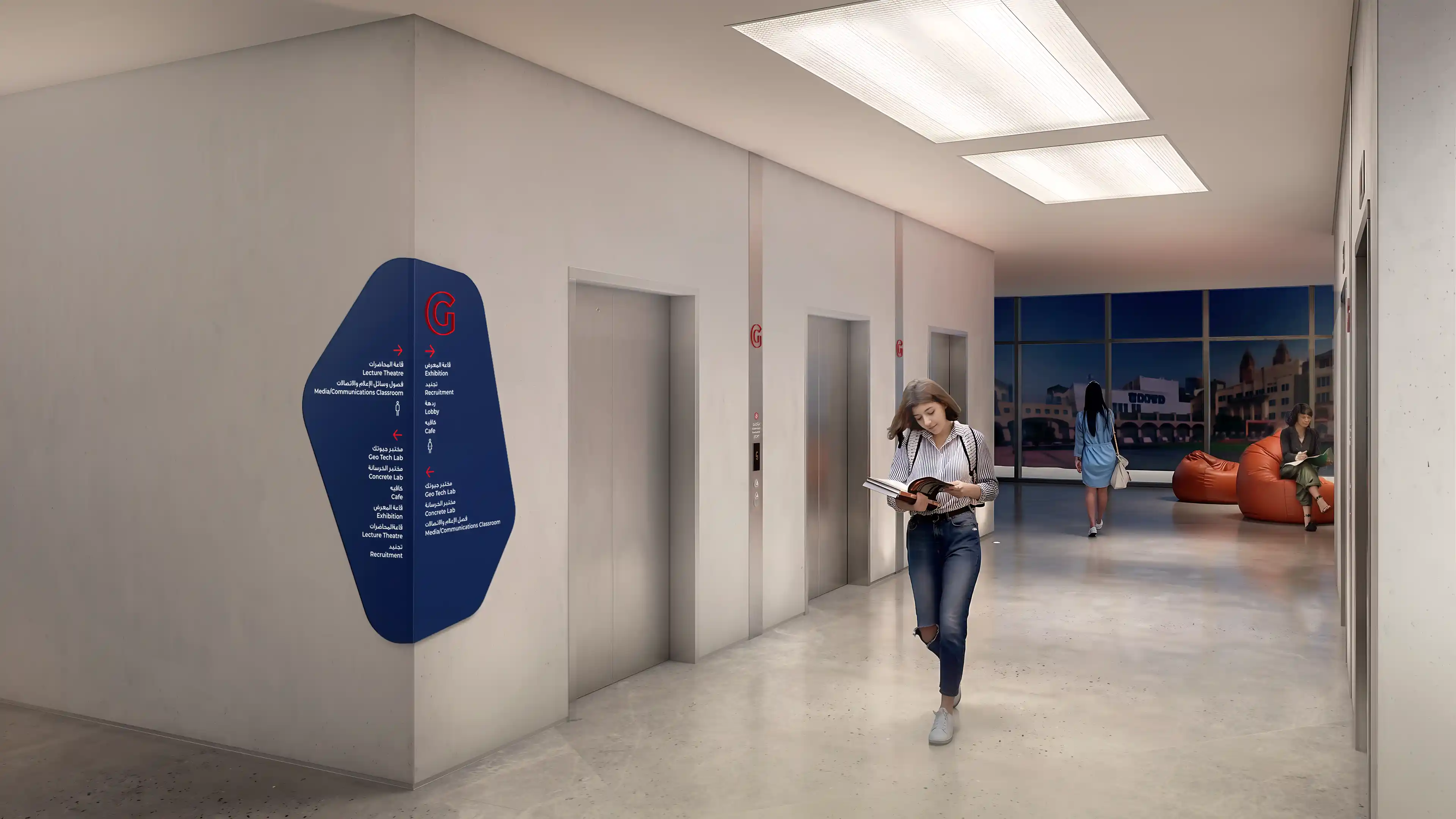
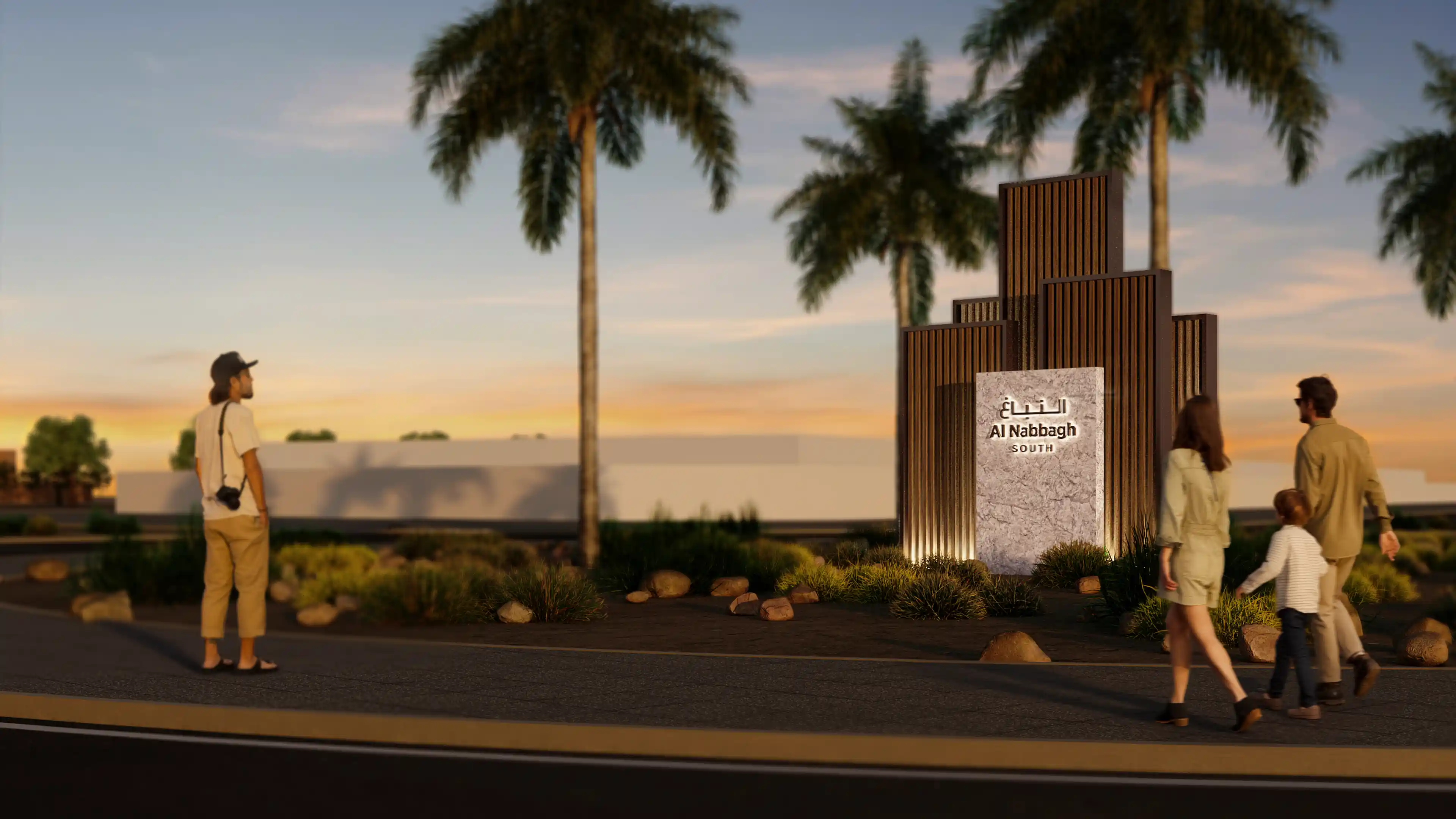
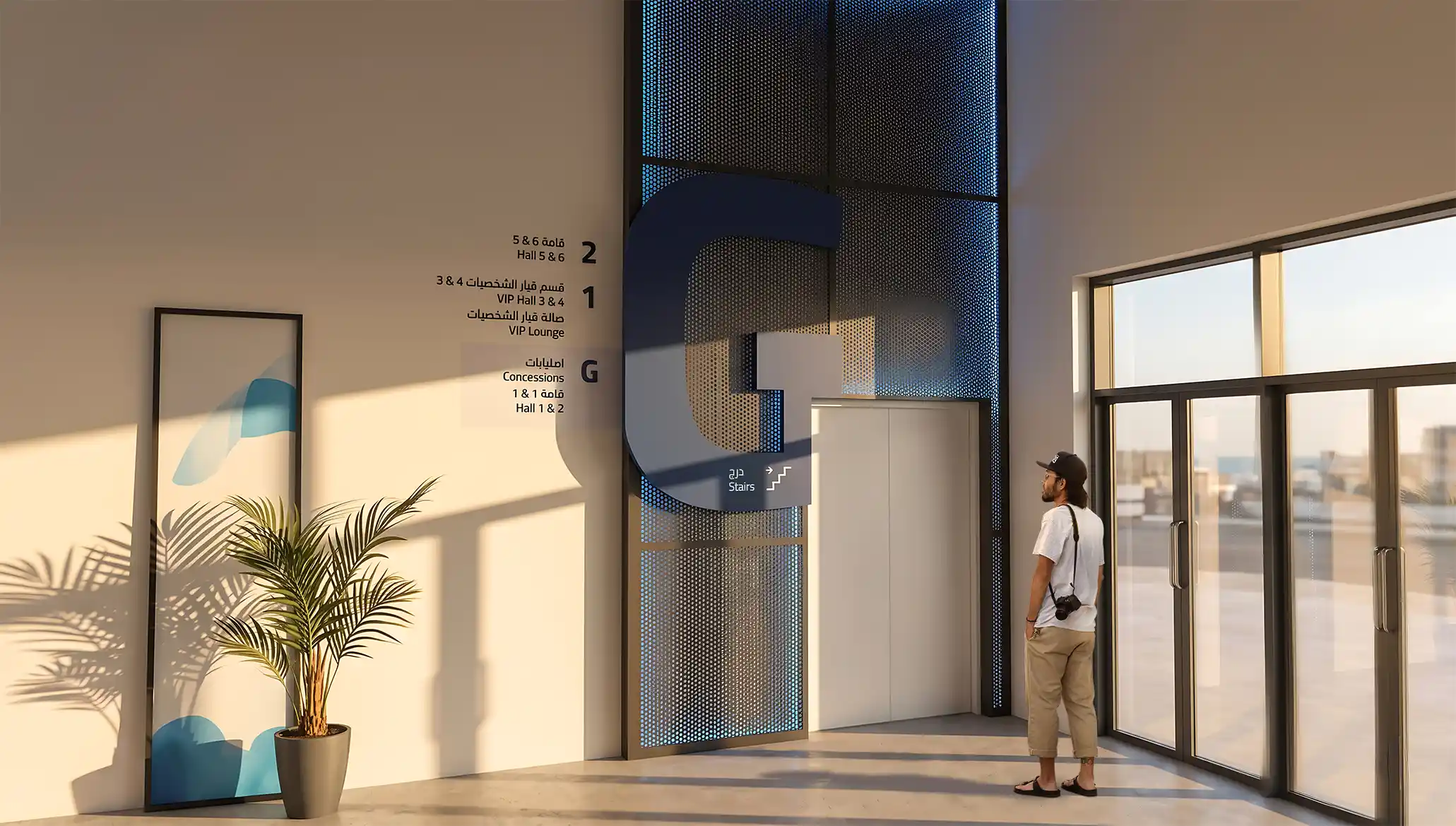
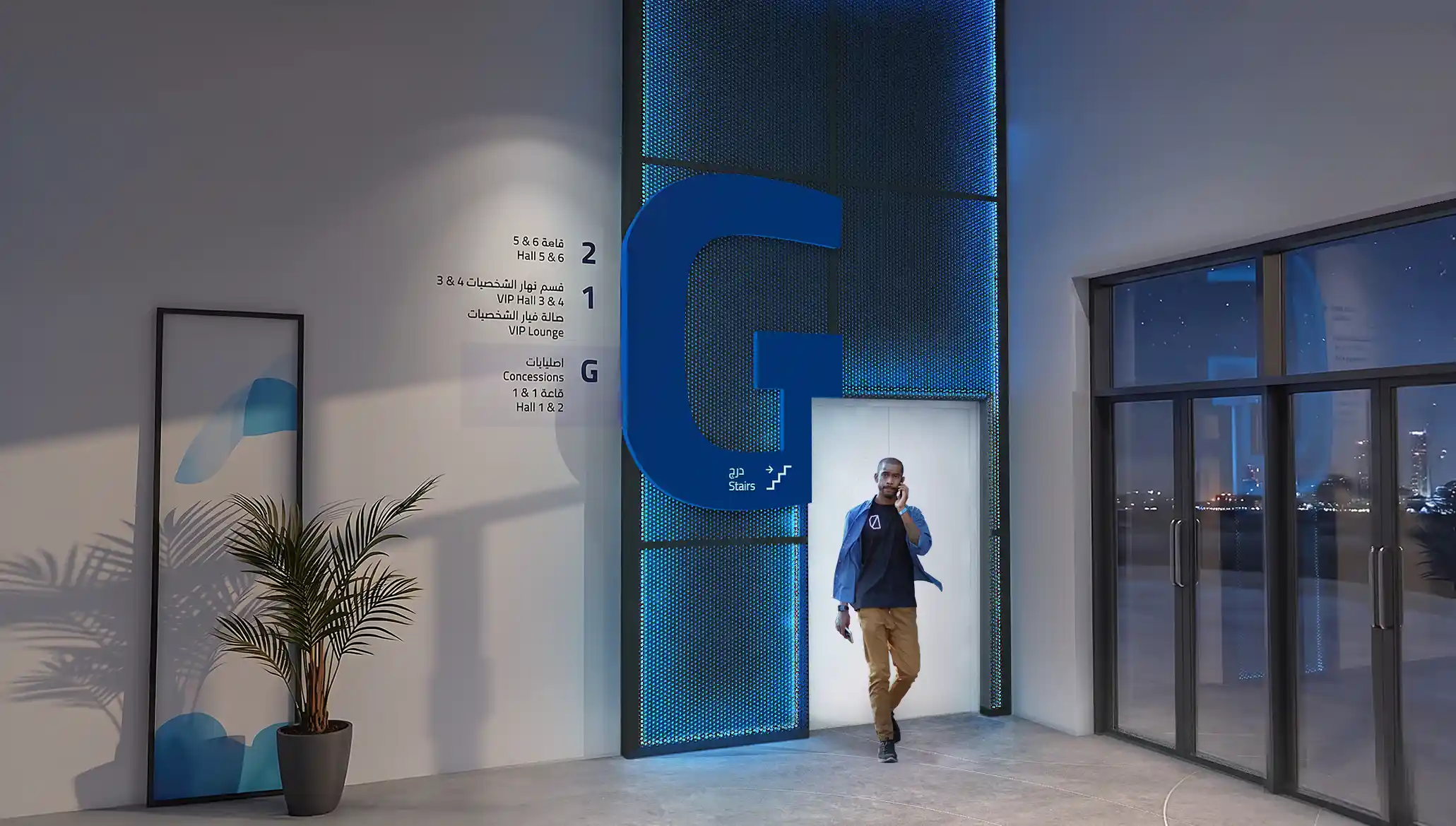
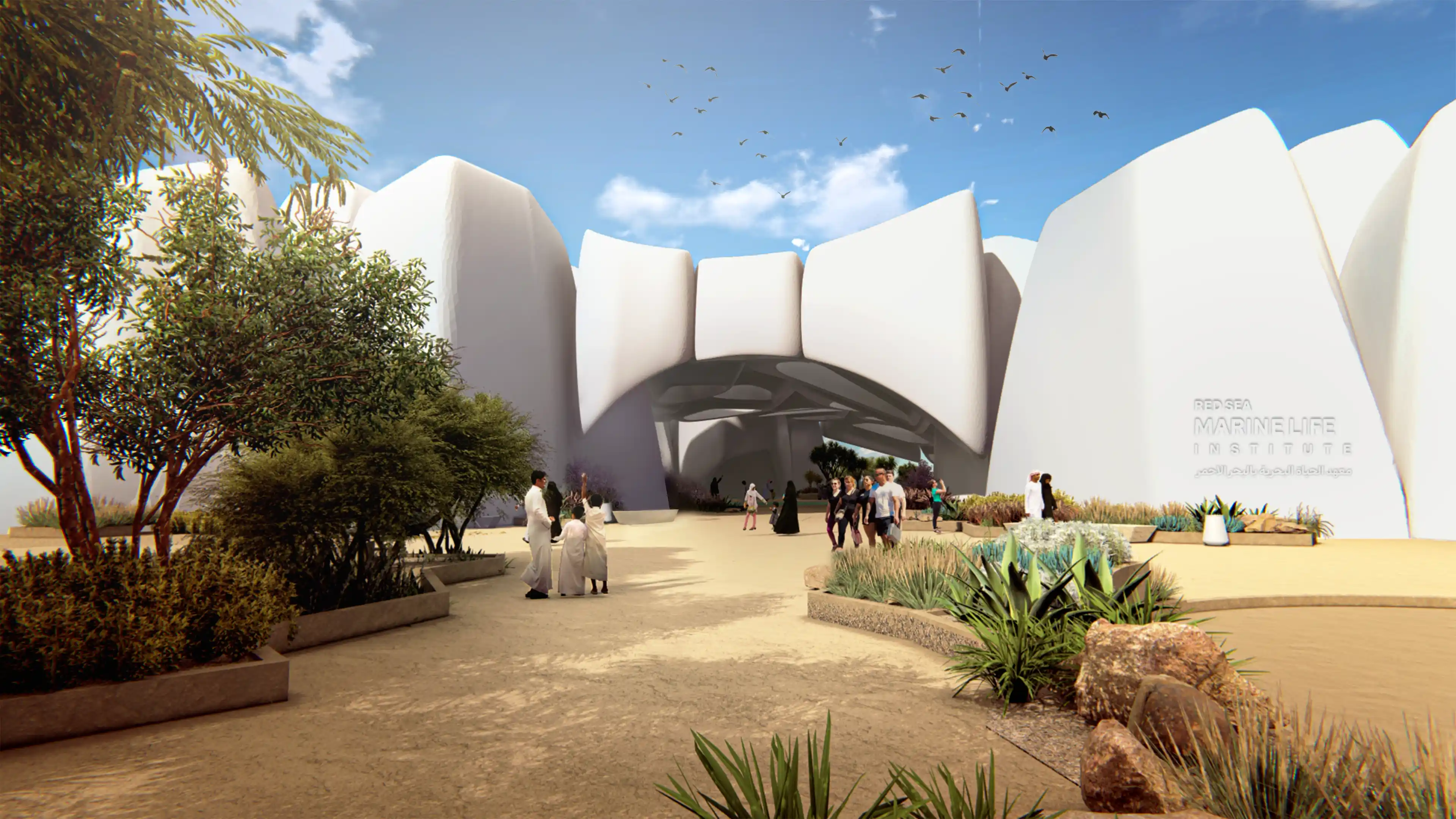
LIMAH reviews sightlines, approach angles, viewing distance, movement speed, obstructions, lighting conditions and competing visual information. We study how users experience the place at key arrivals, transitions and decision points rather than judging elements only on plan.
This evidence helps improve sign locations, landmark visibility, destination recognition and the relationship between architecture and wayfinding.
Legibility & Visibility Studies give clients and design teams a practical basis for refining navigation decisions before they become costly to change.
Within the wider Wayfinding & Navigation system, the studies help reduce visual clutter, missed information and unnecessary duplication. The result is clearer communication, stronger orientation and a built environment that works from the user’s actual line of sight.