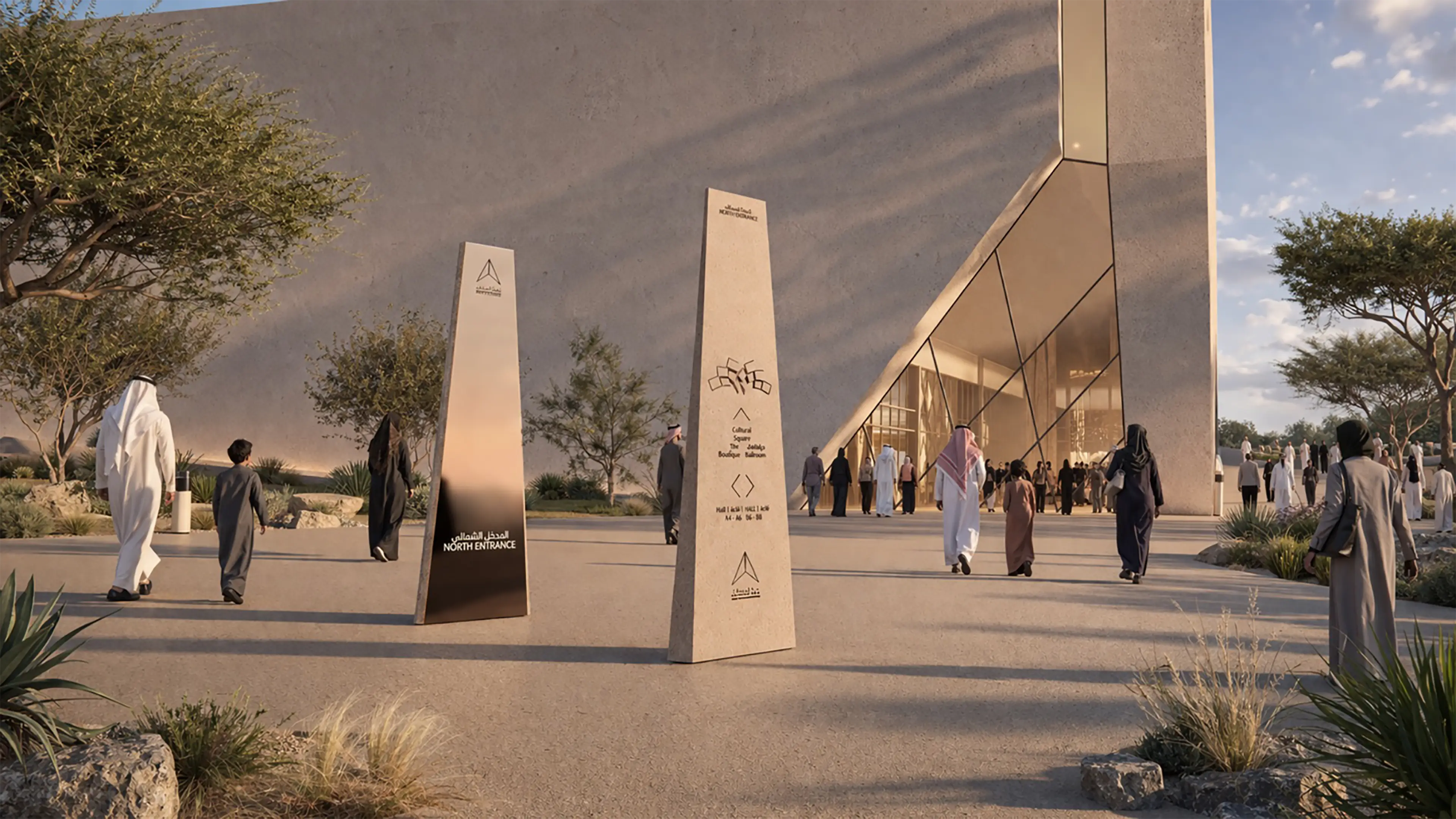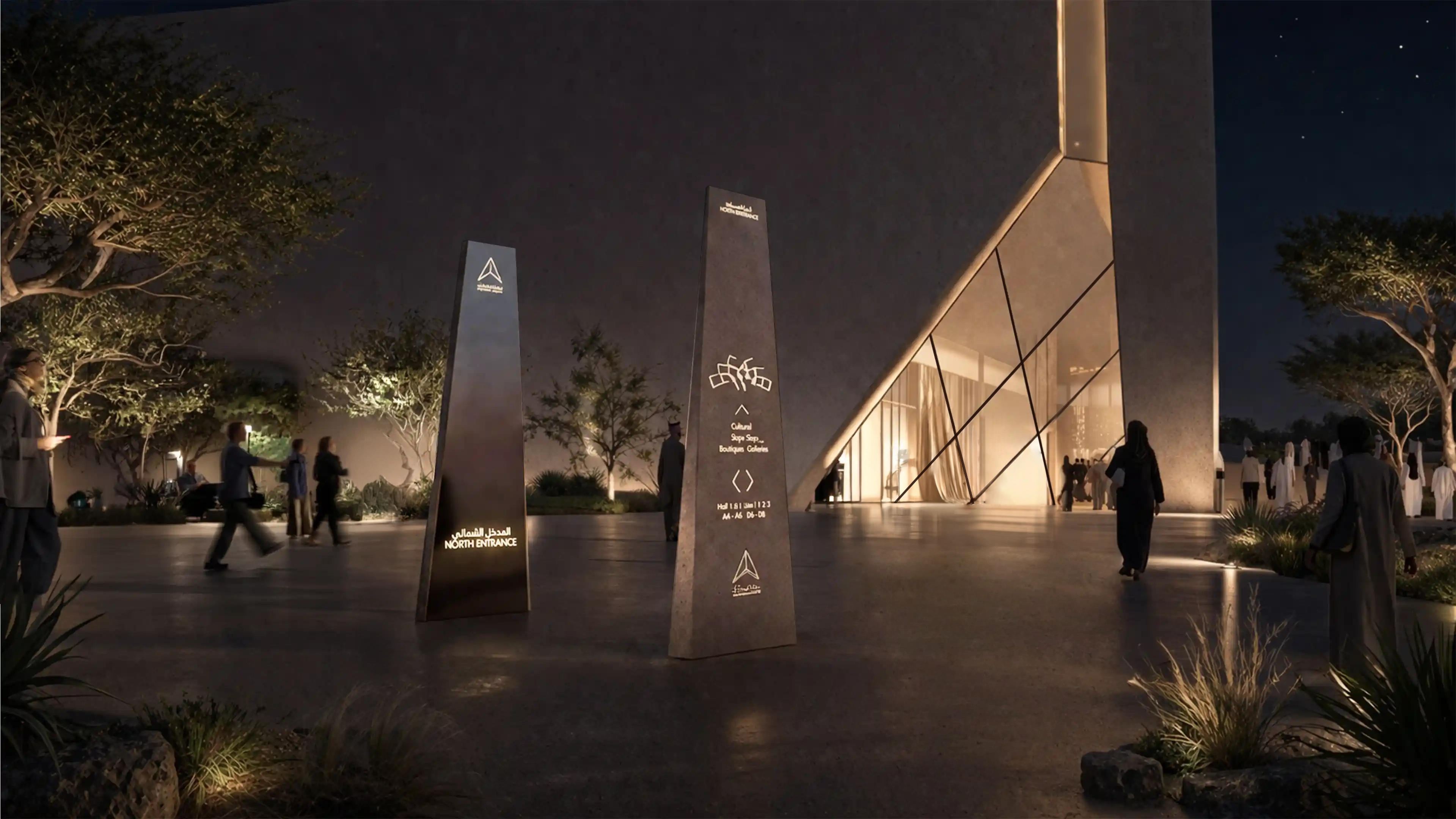
YAS BAY
ABU DHABI





User Journey Mapping reveals how people experience a place from arrival to destination and every decision in between.
LIMAH maps the movements, needs, expectations and moments that shape how different users understand and navigate complex built environments.
People do not experience architecture, landscape, signage, digital systems and operations separately. They experience one continuous journey.
That journey may include planning a visit, approaching the site, finding an entrance, orientating, changing levels, locating services, waiting, navigating transitions and leaving confidently.
When these moments are considered independently, gaps appear. Users hesitate. Information arrives too late. Routes feel disconnected. Operational pressure increases.
User Journey Mapping exposes these gaps before they become embedded in the project.
LIMAH identifies key user groups and maps how each one arrives, moves, decides, interacts and connects.
We examine decision points, emotional expectations, accessibility needs, information requirements, operational interfaces and potential moments of confusion.
The resulting journey maps give project teams a clear human framework for coordinating spatial planning, wayfinding, public realm, digital touchpoints and service delivery.
As part of Experience Strategy, User Journey Mapping turns complex environments into journeys that can be understood, improved and designed with purpose.