YAS BAY
ABU DHABI





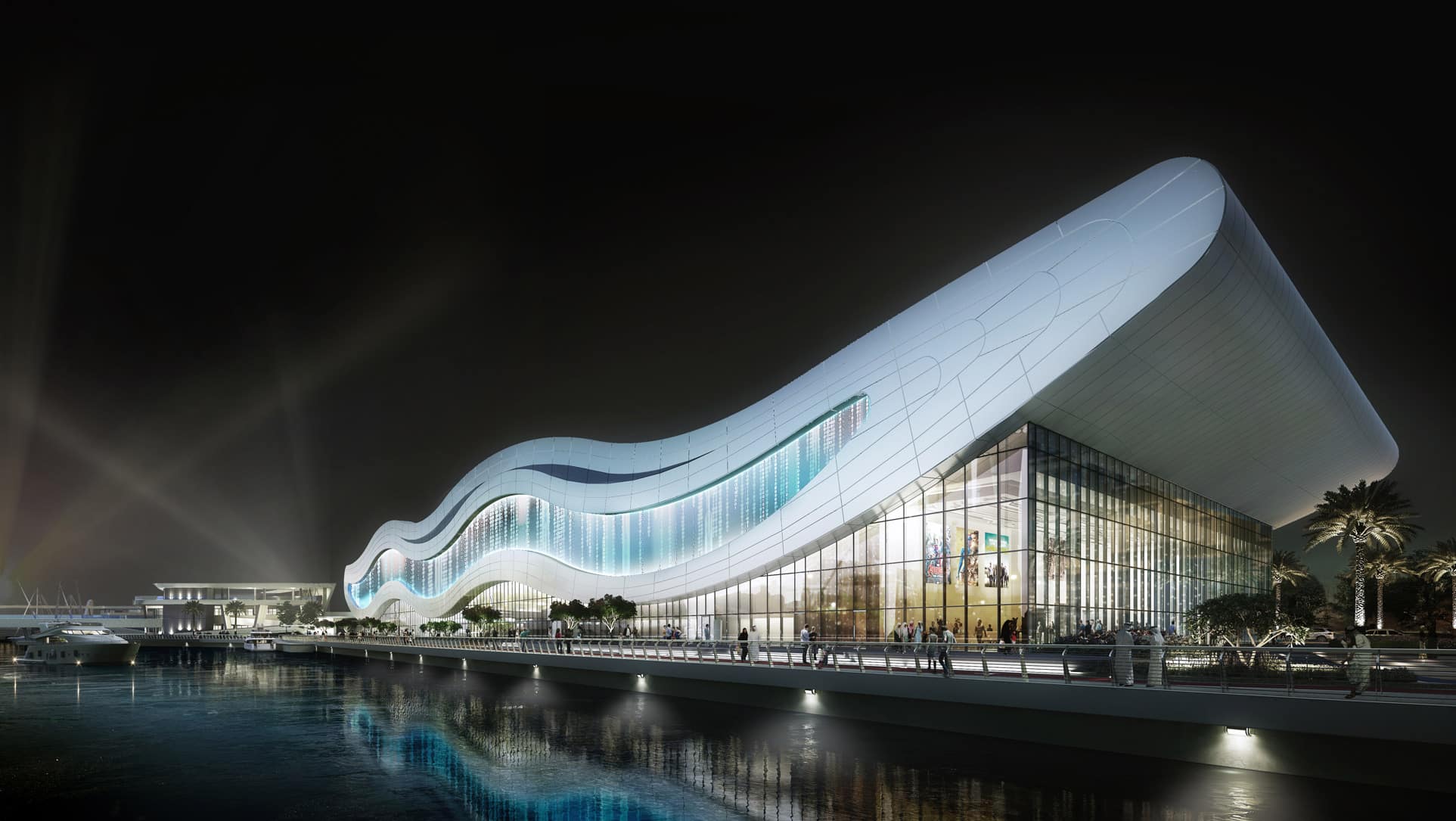
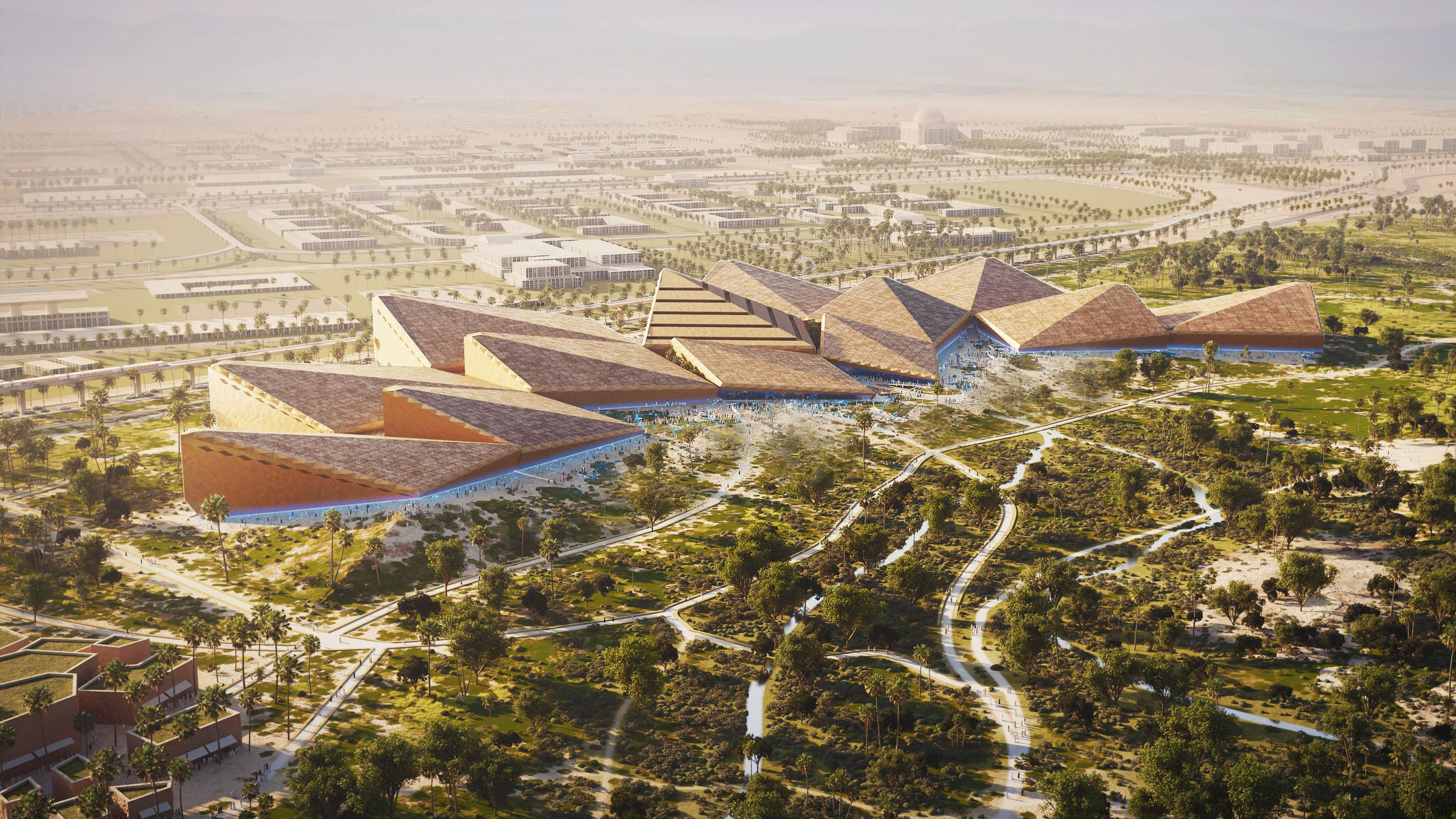
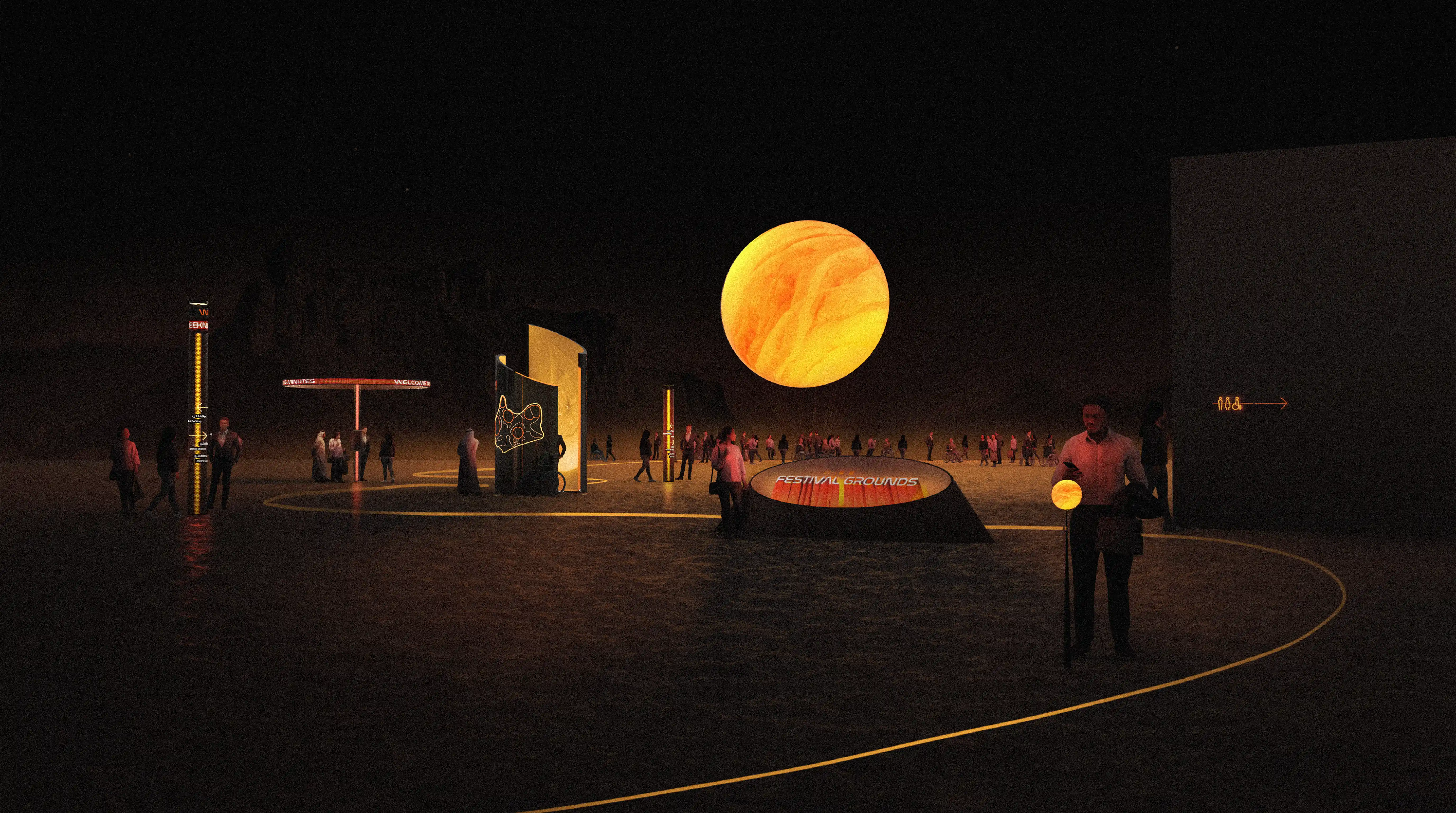
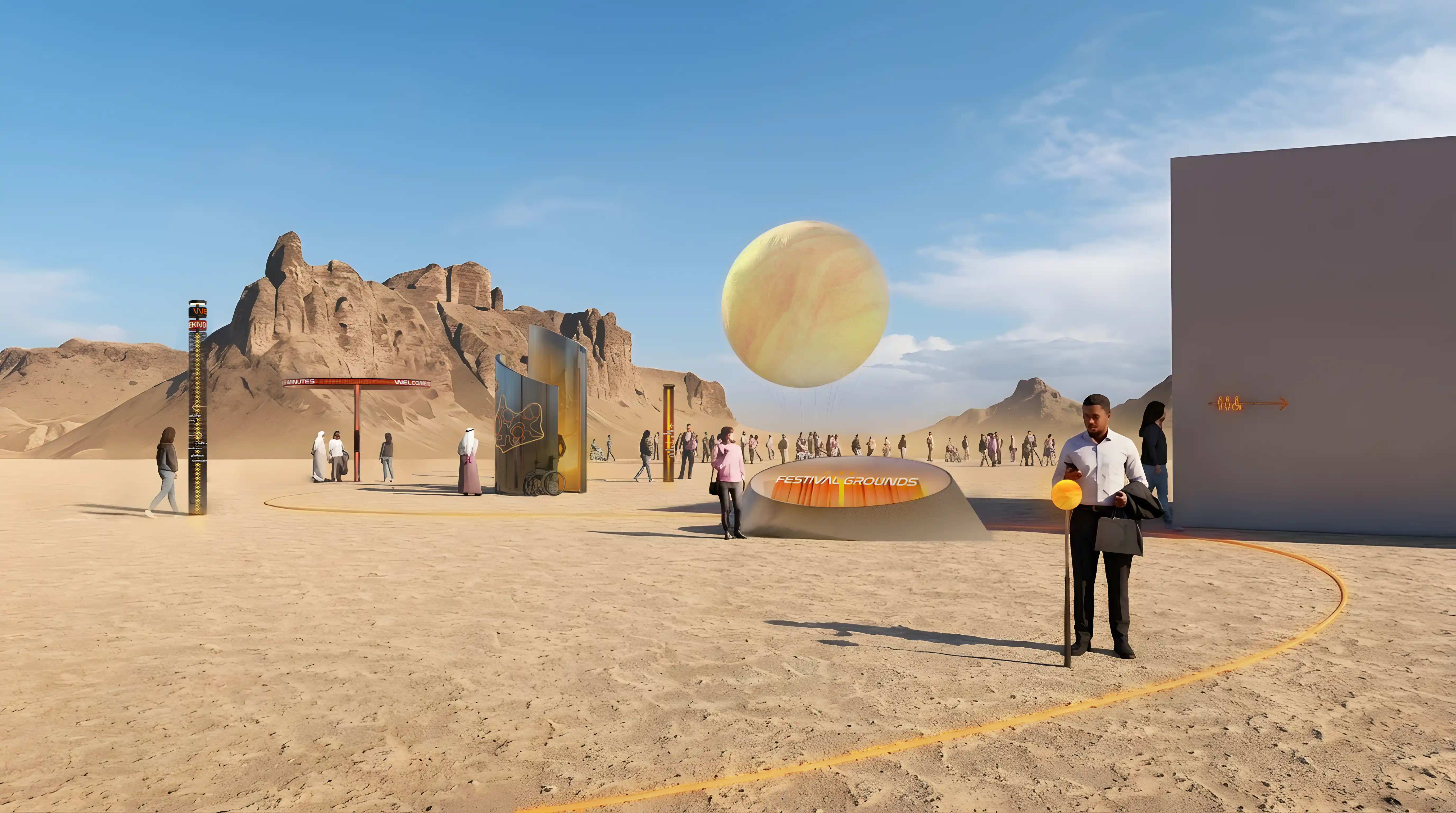
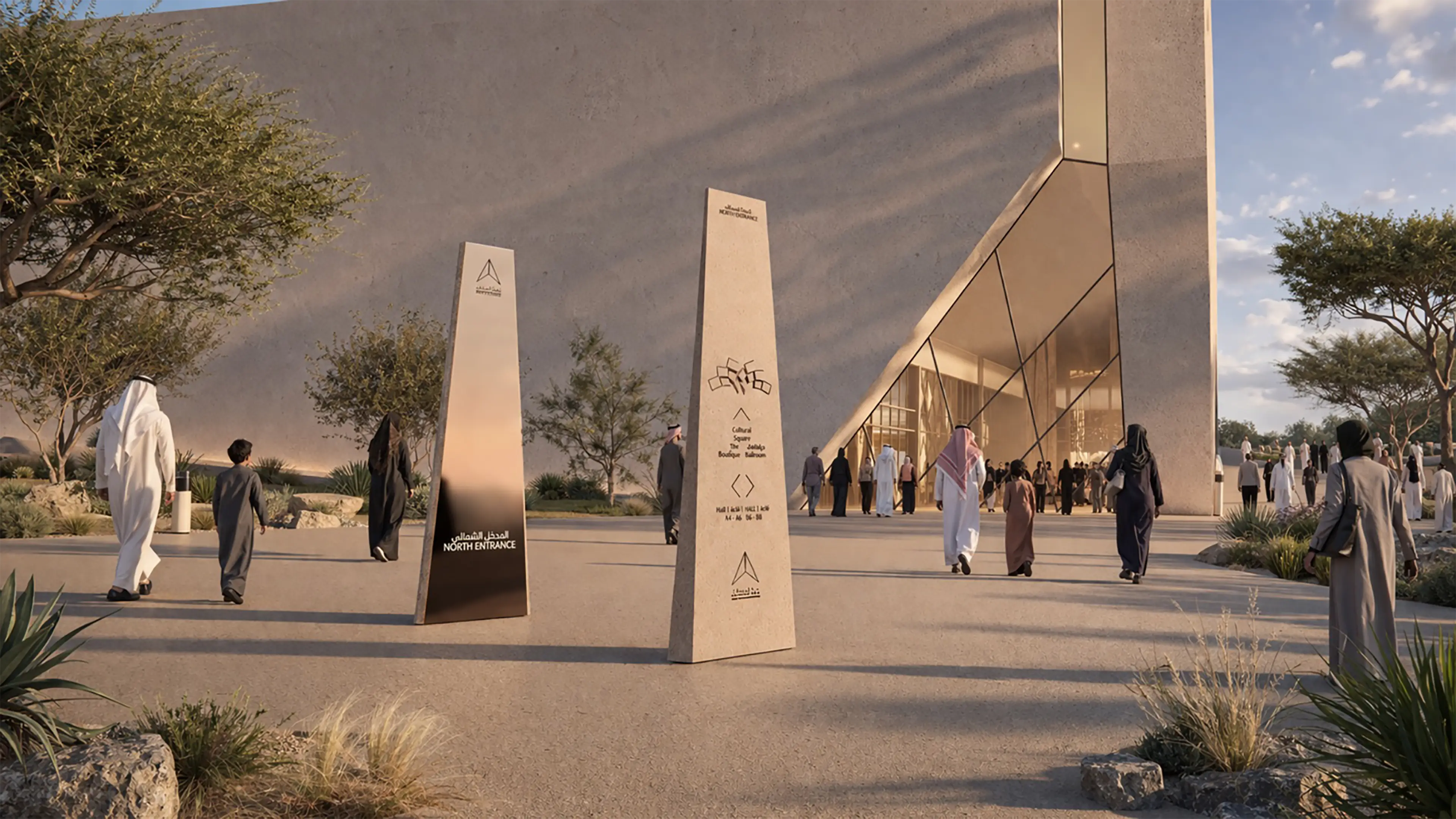
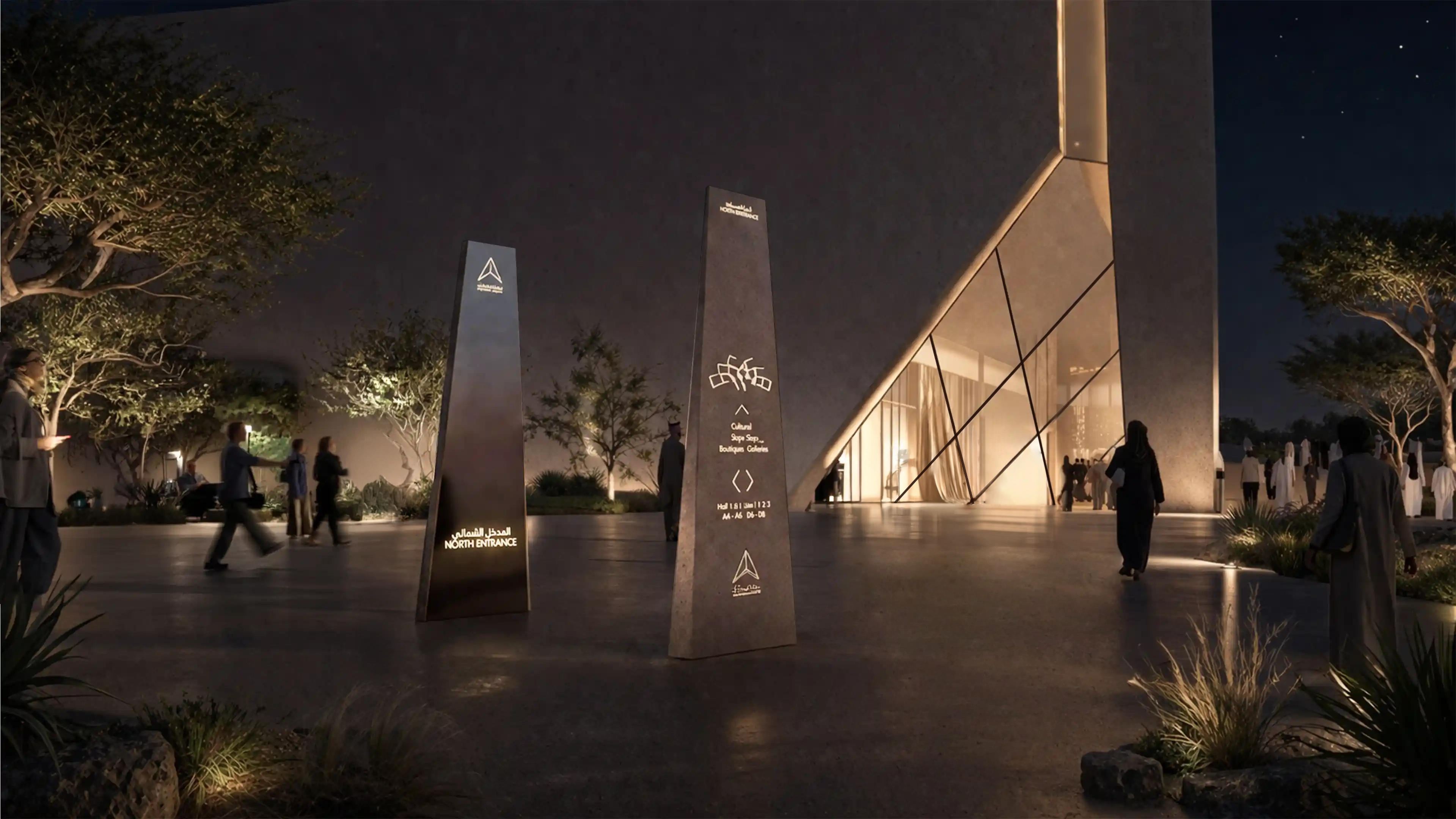
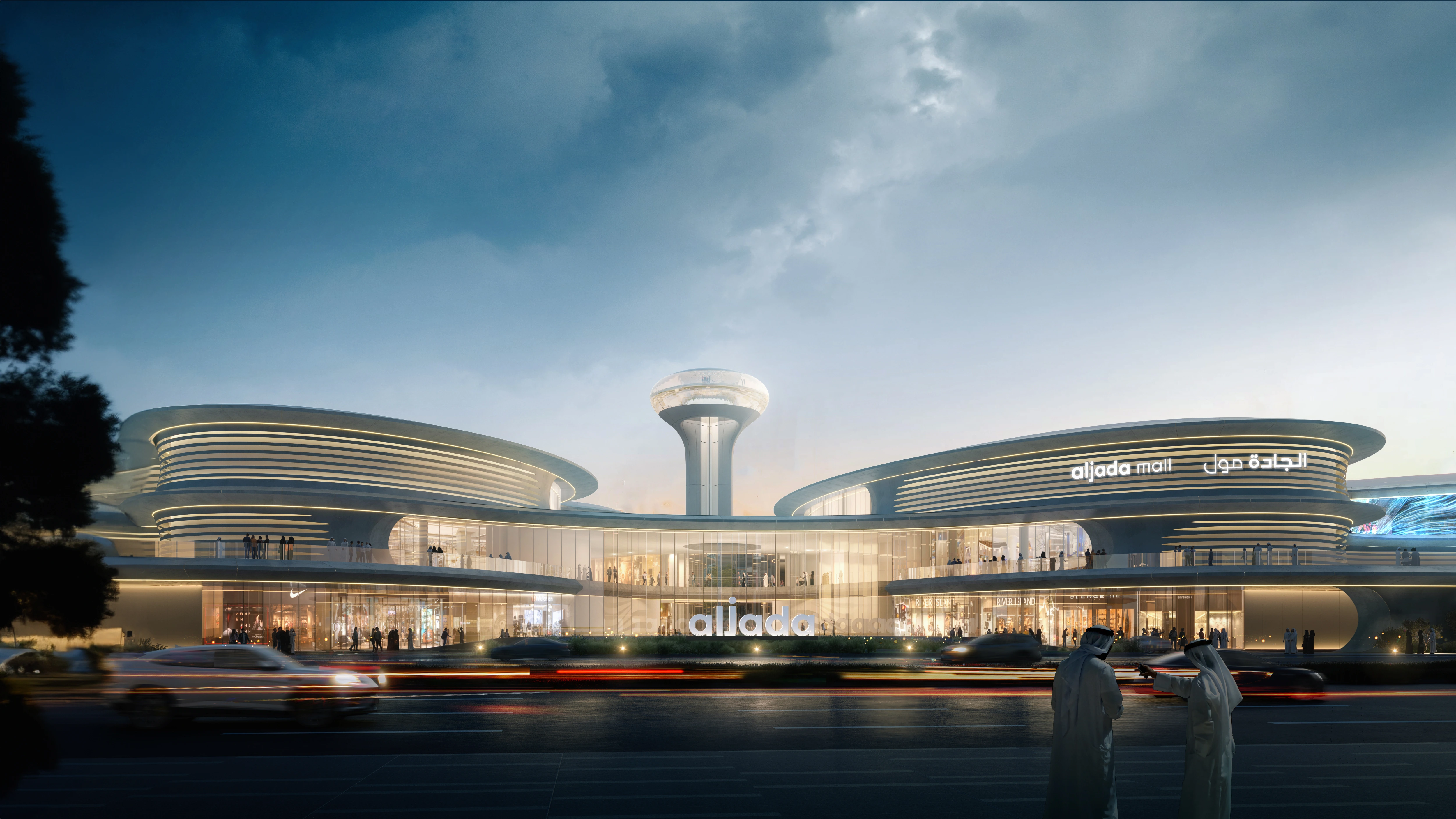
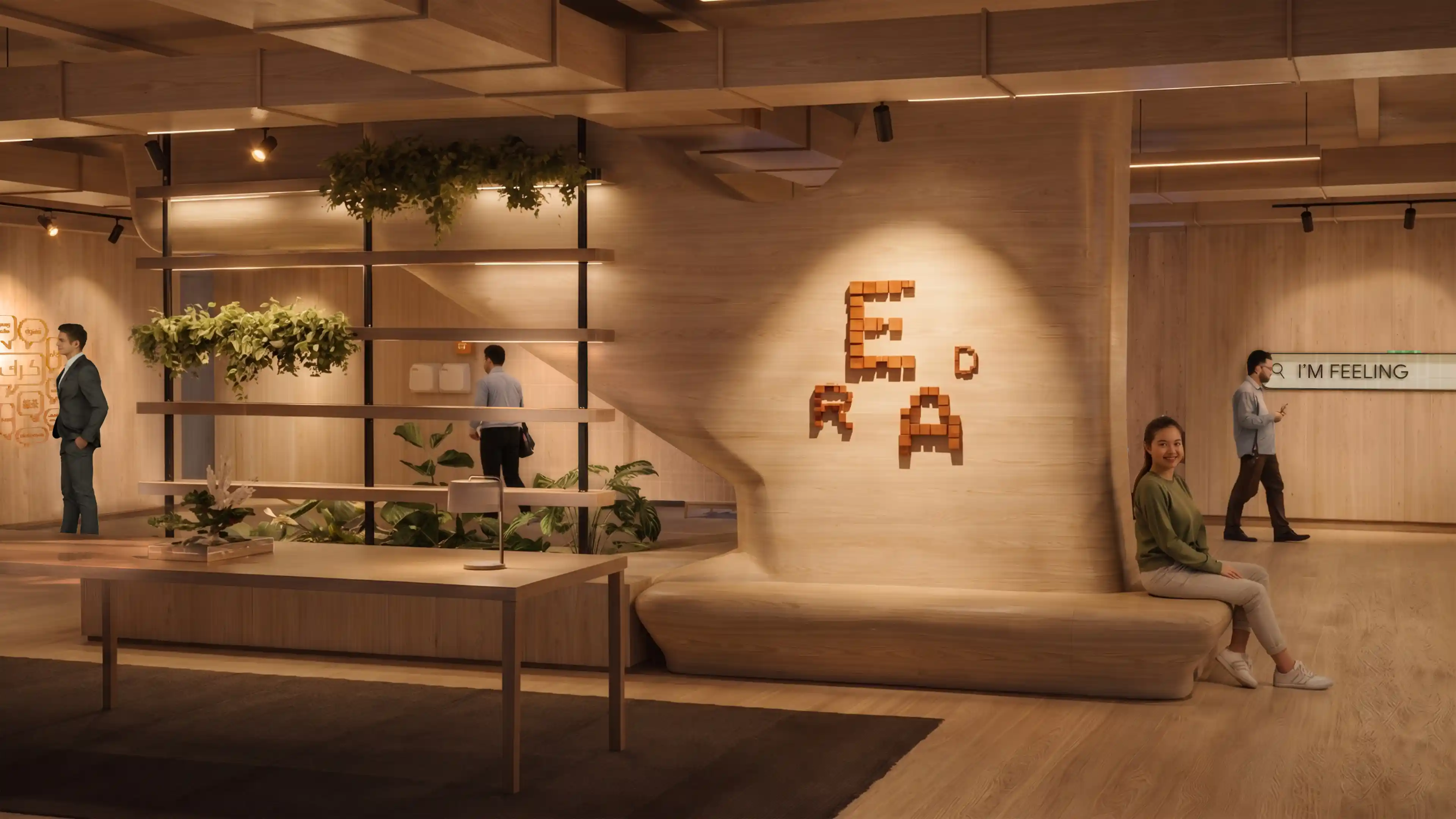
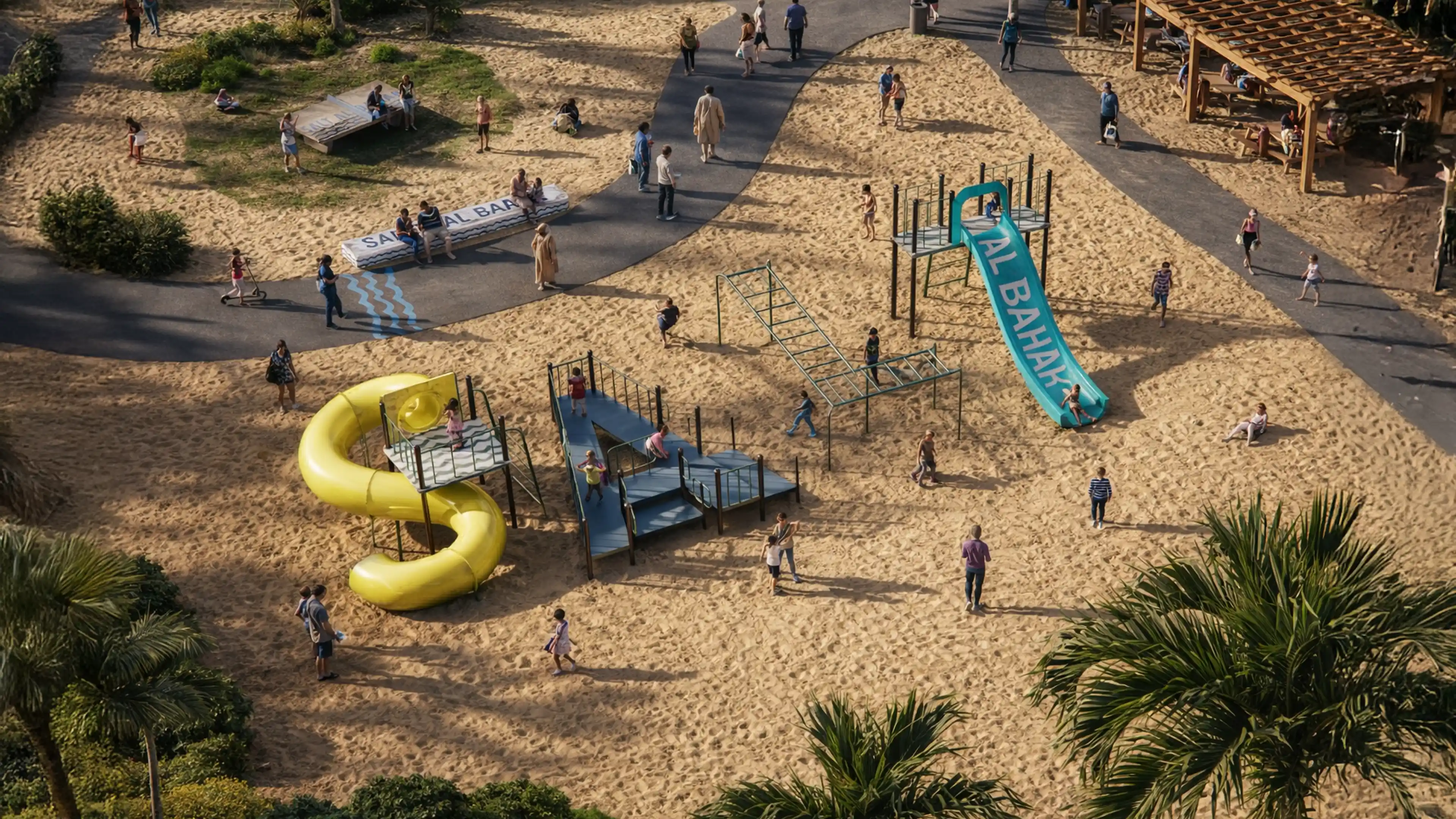
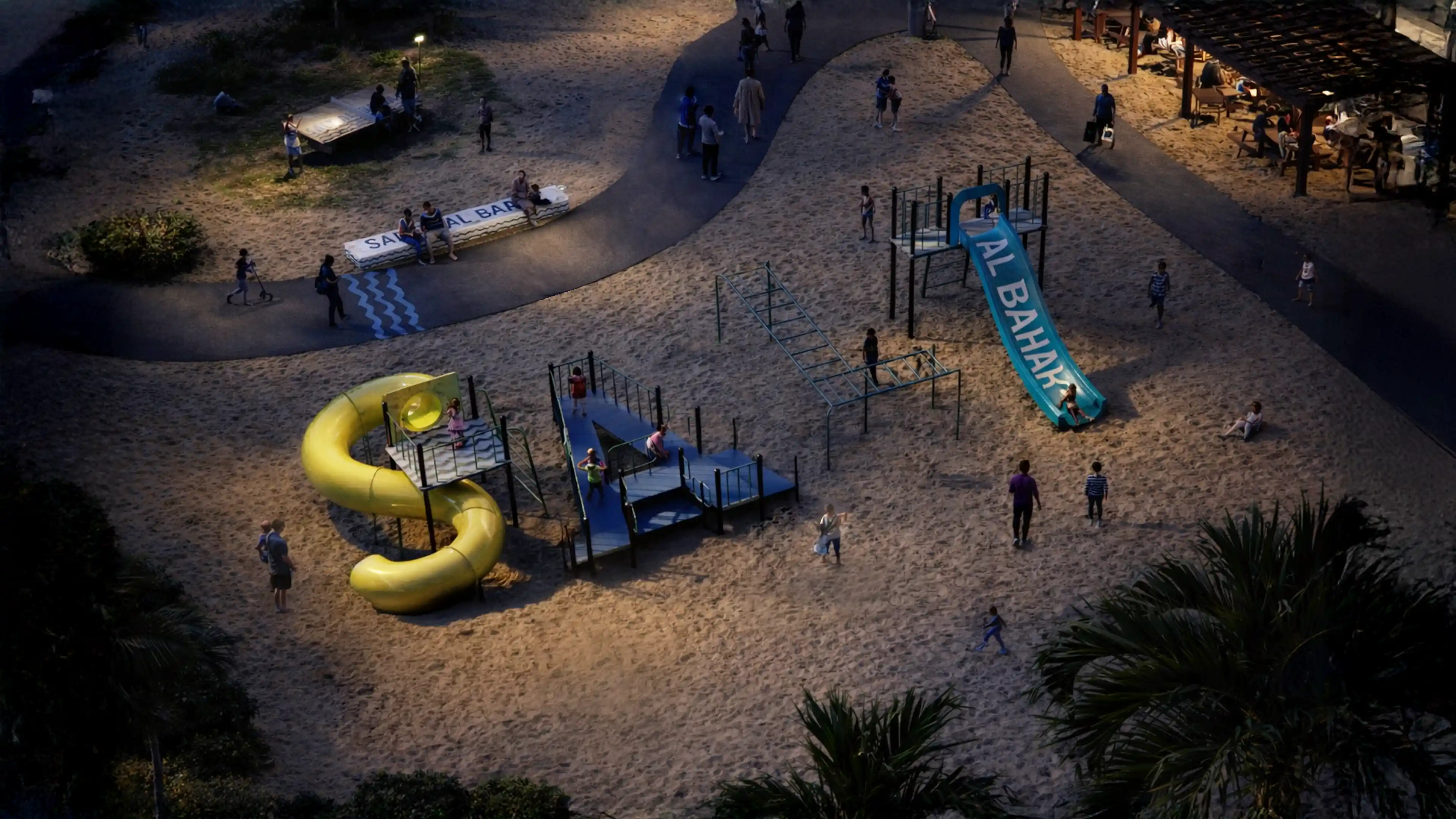
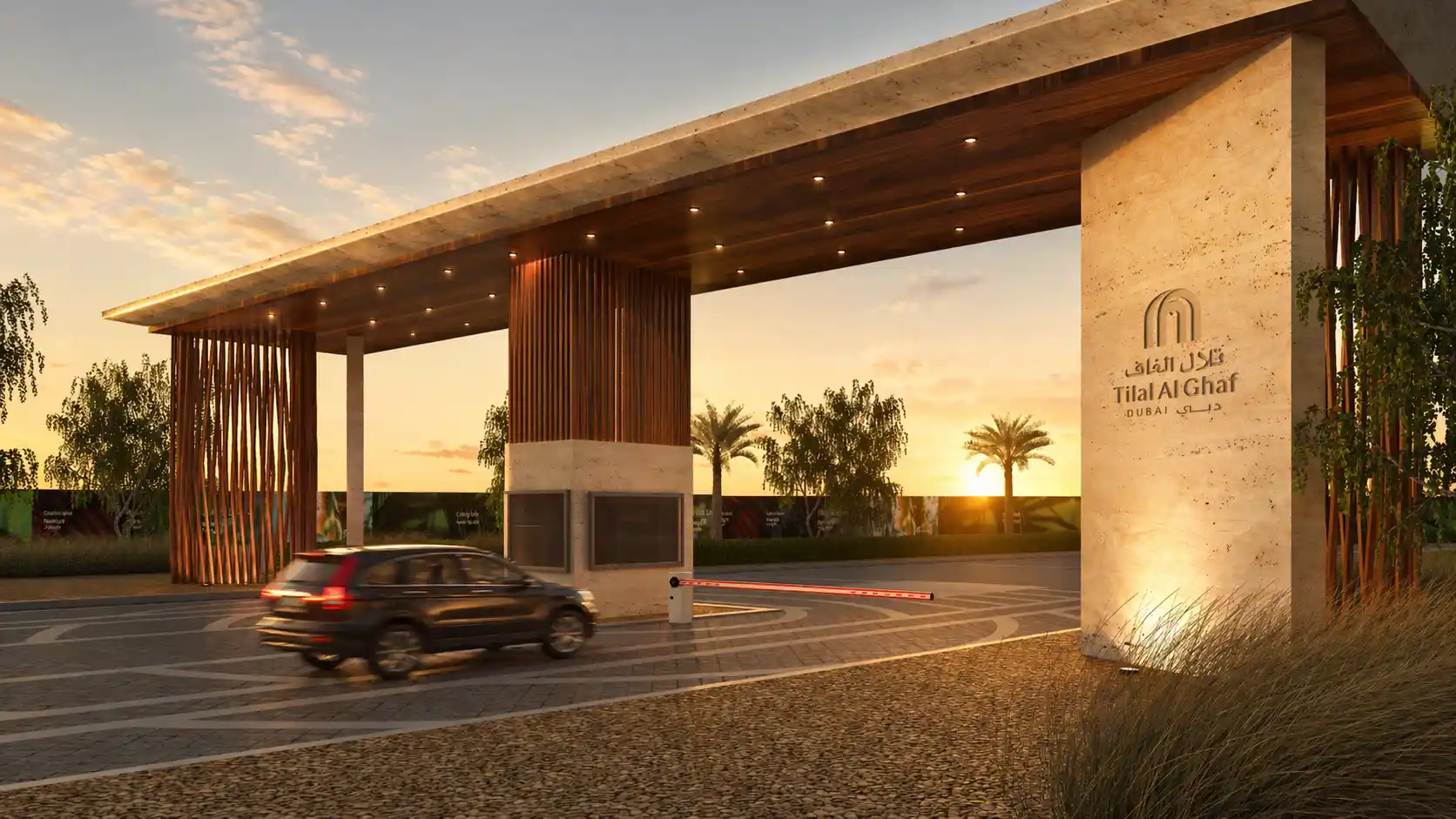
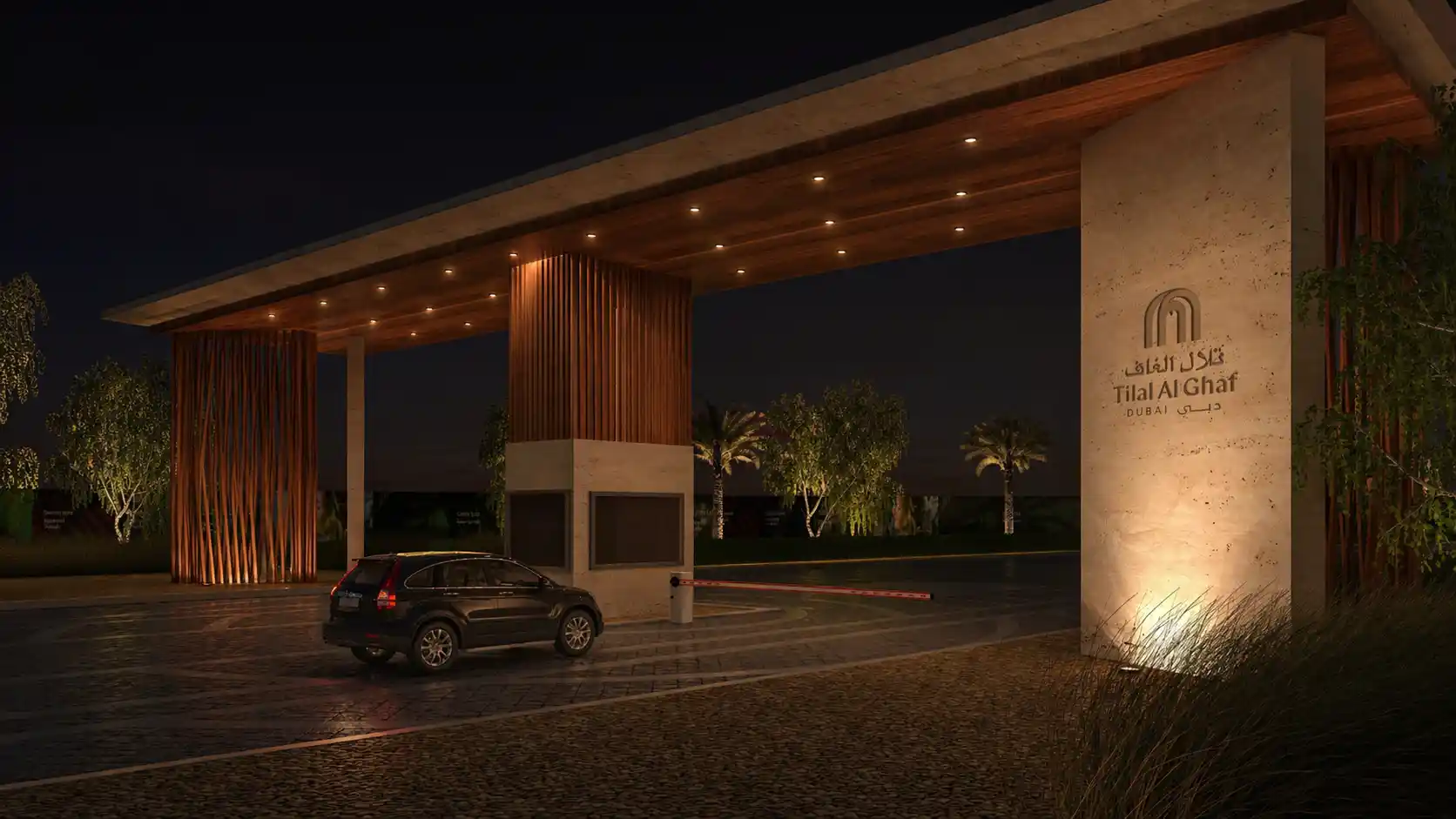
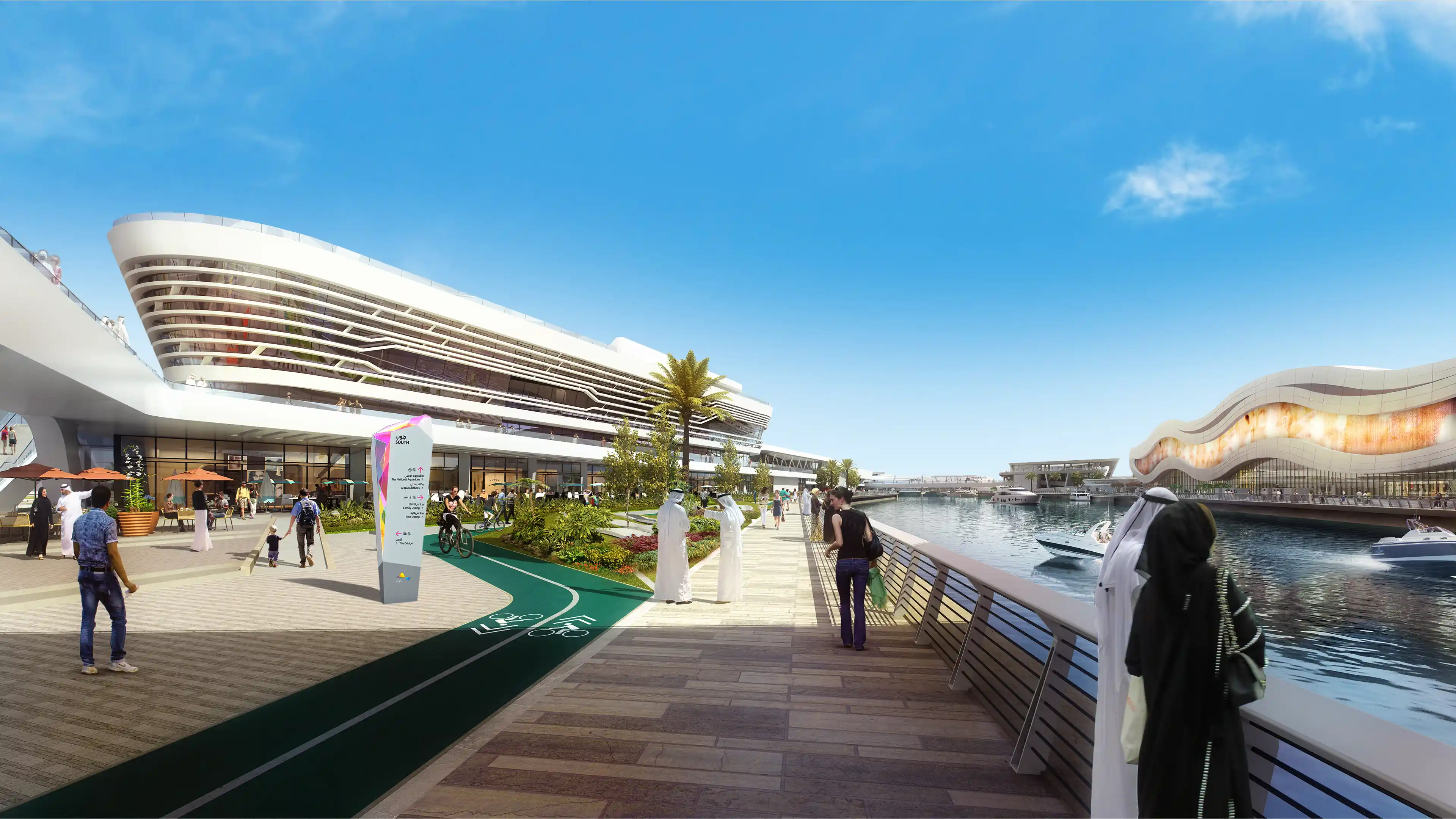
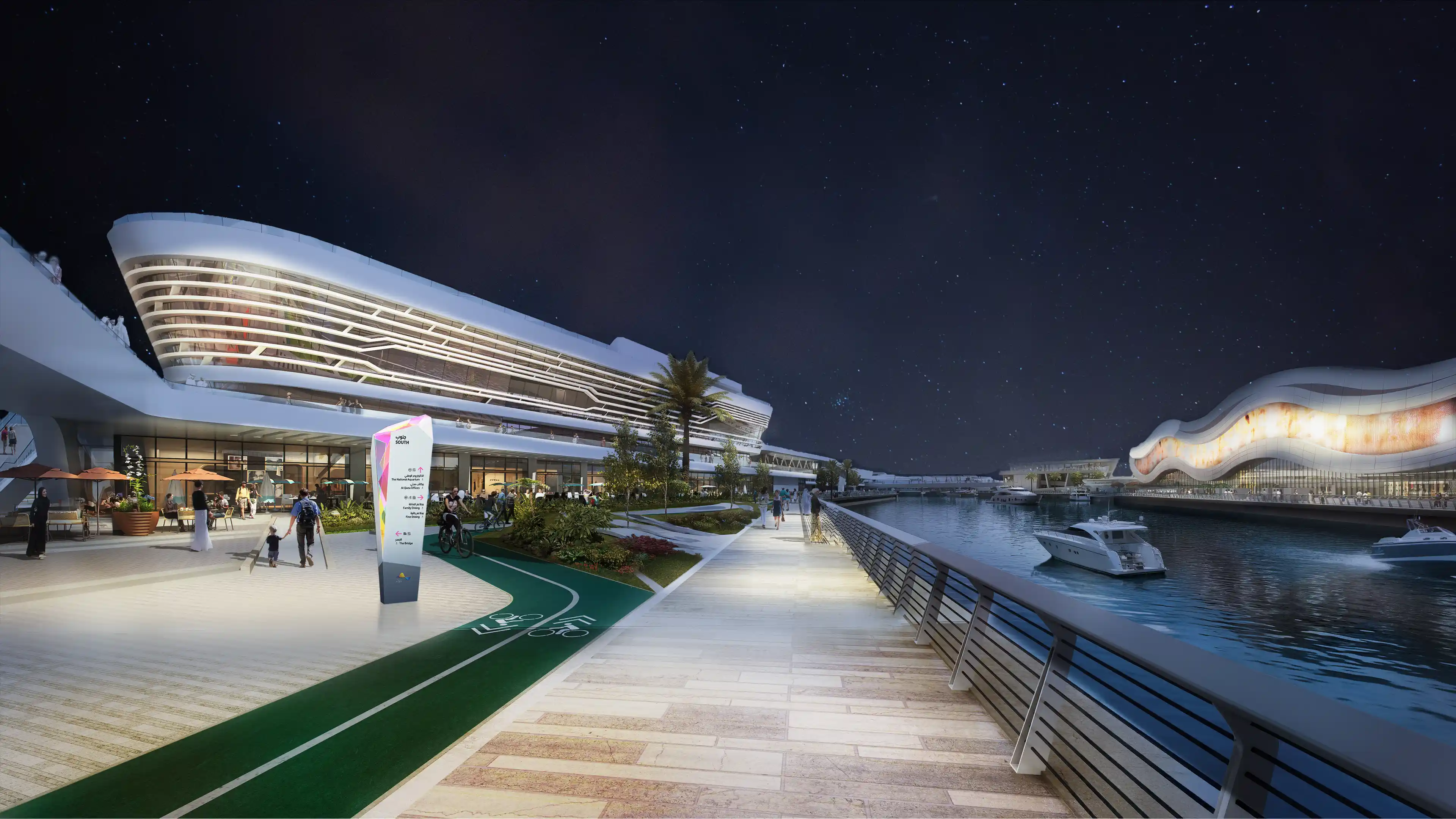
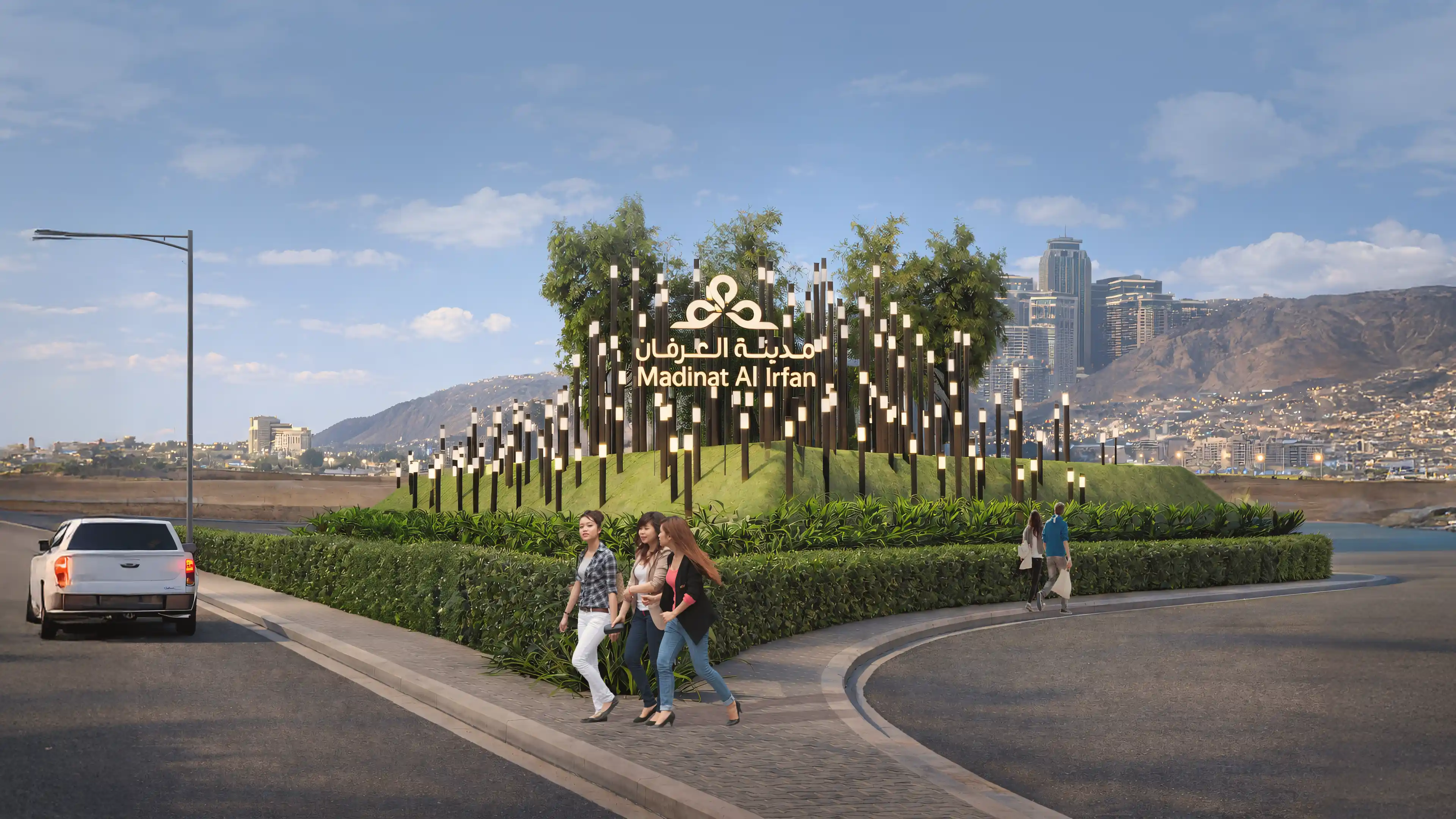
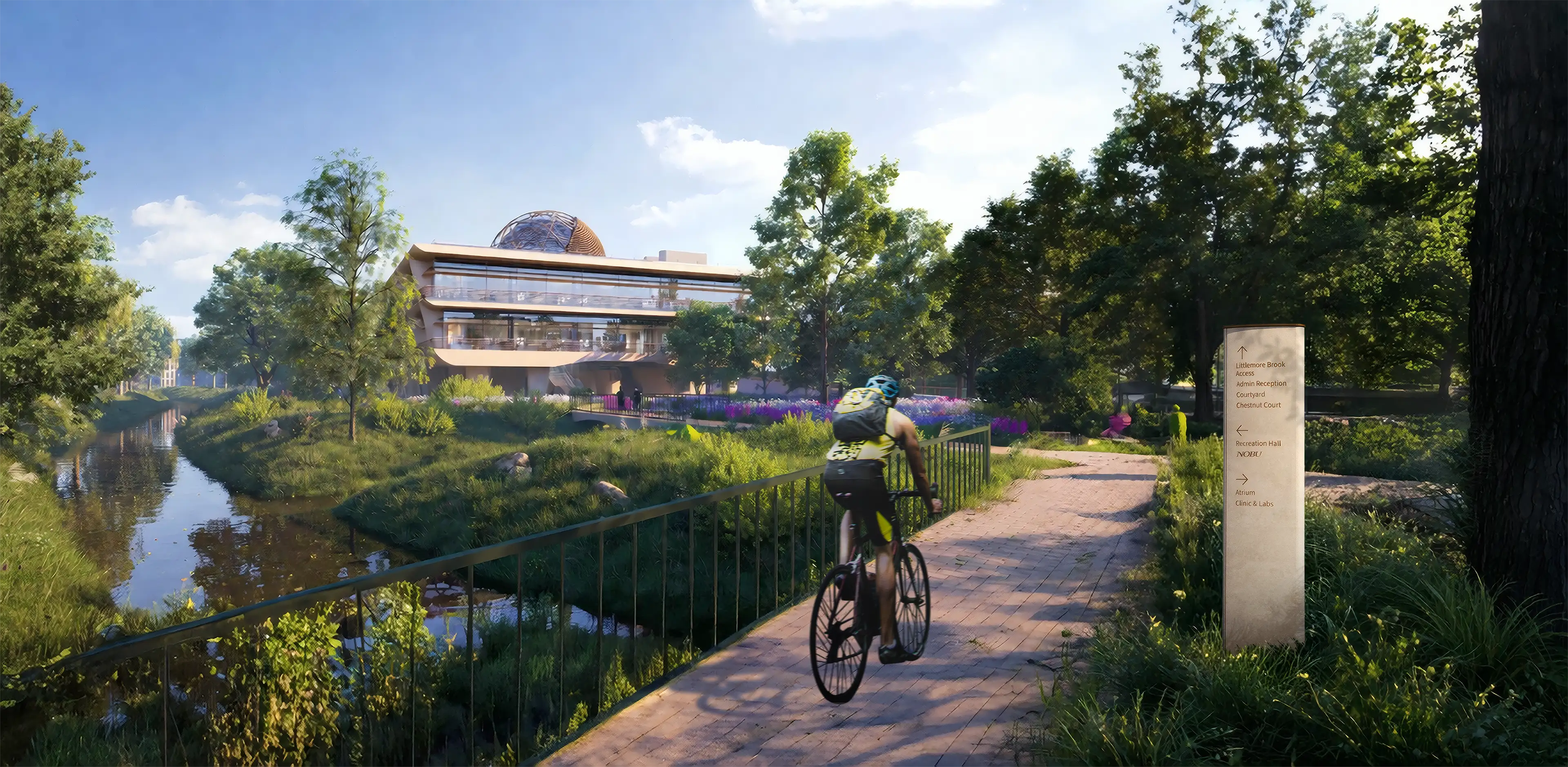
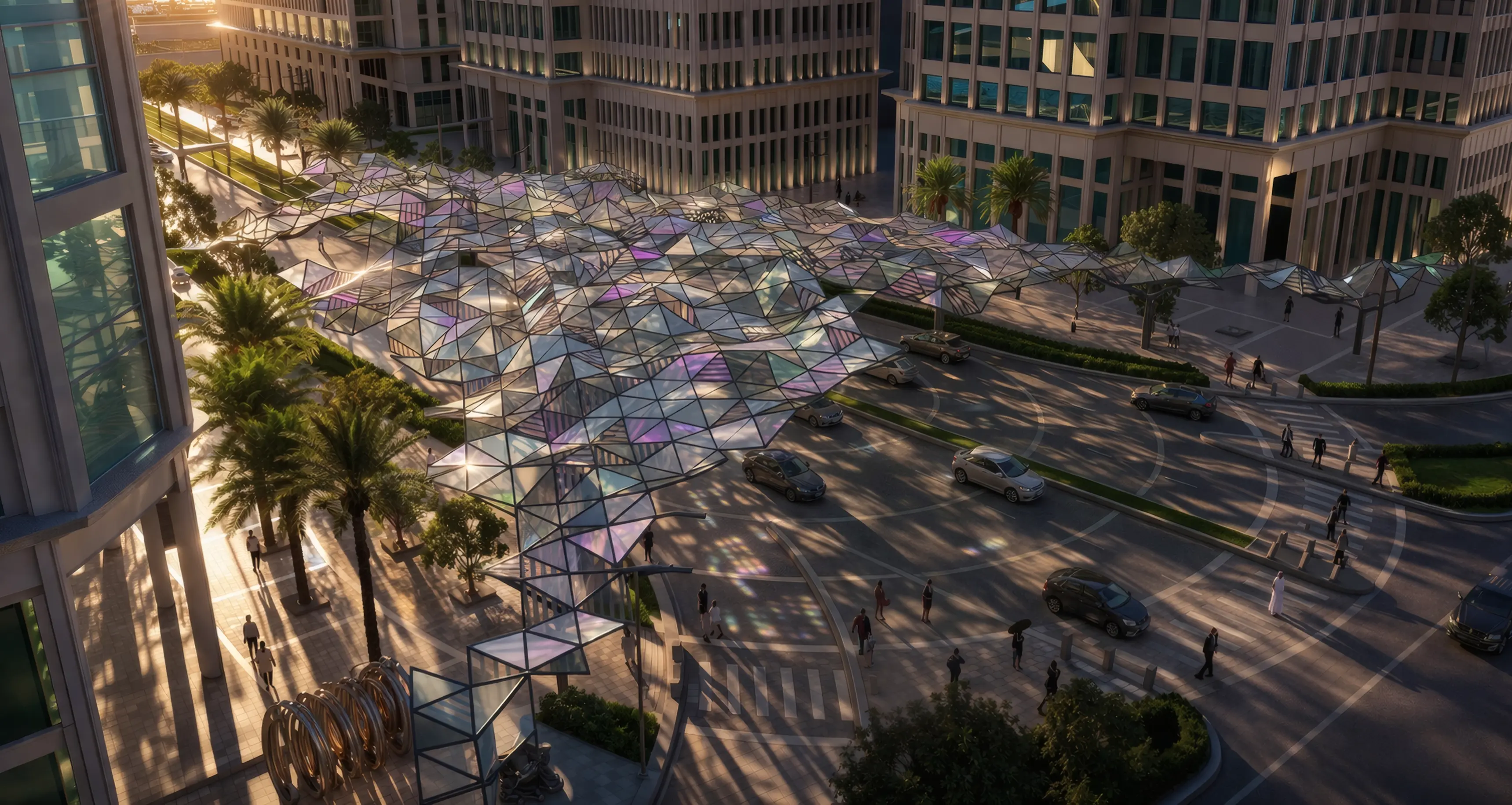
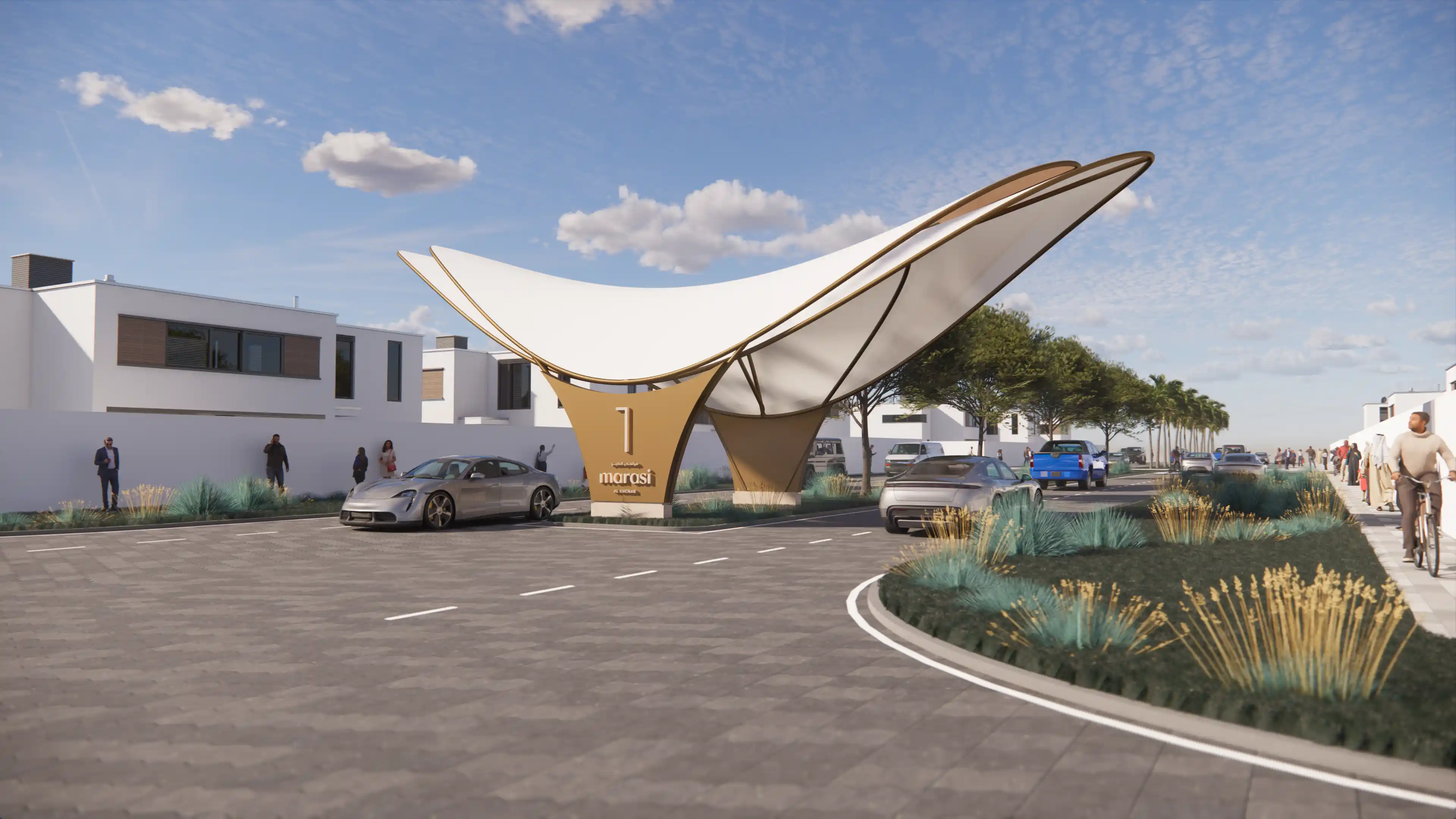
Landmark Strategy defines the memorable visual and spatial moments that help people recognize a place, understand its structure and orientate within it. LIMAH plans landmarks as part of the user journey, not as objects added after the environment has already been designed.
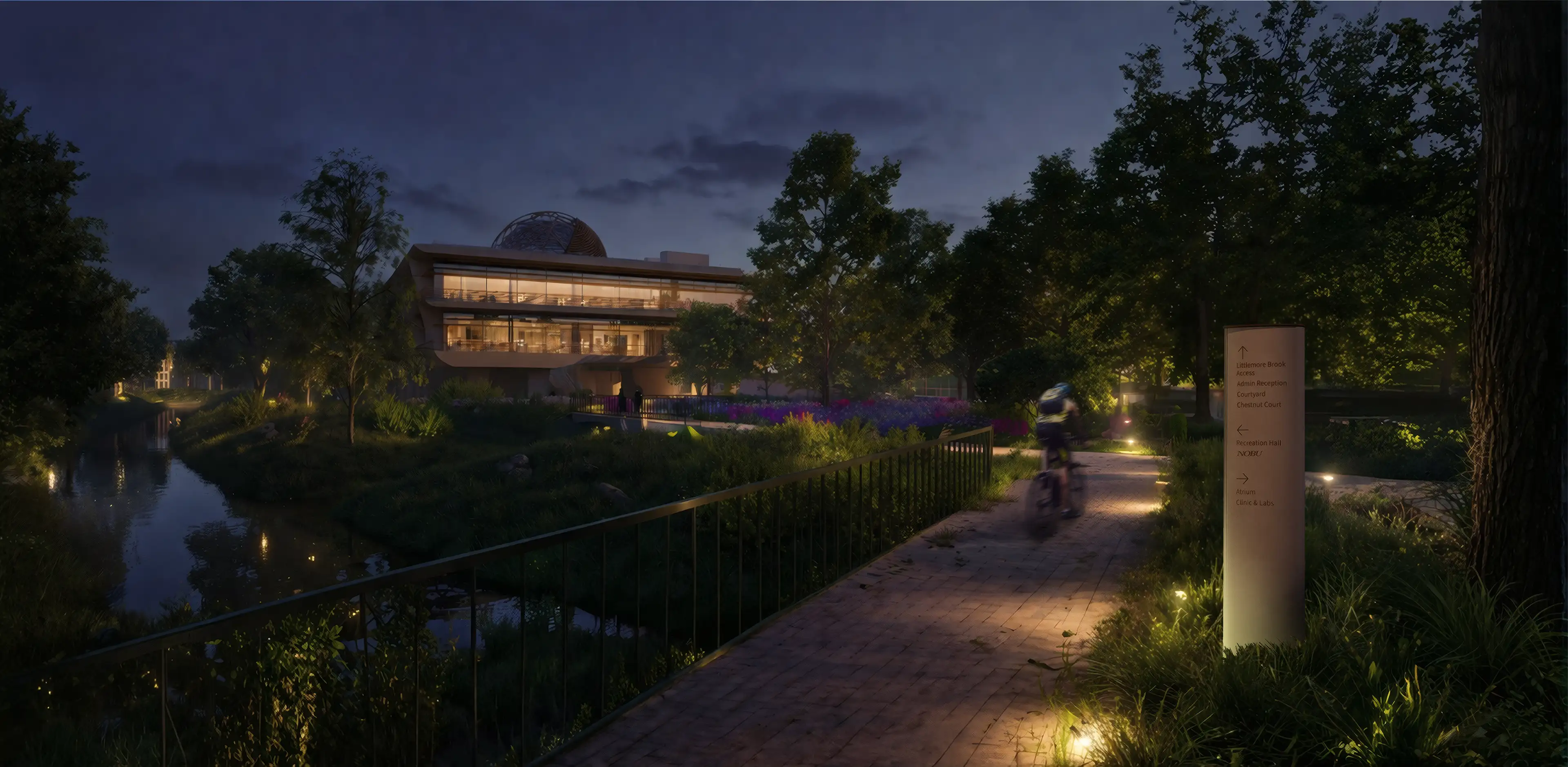
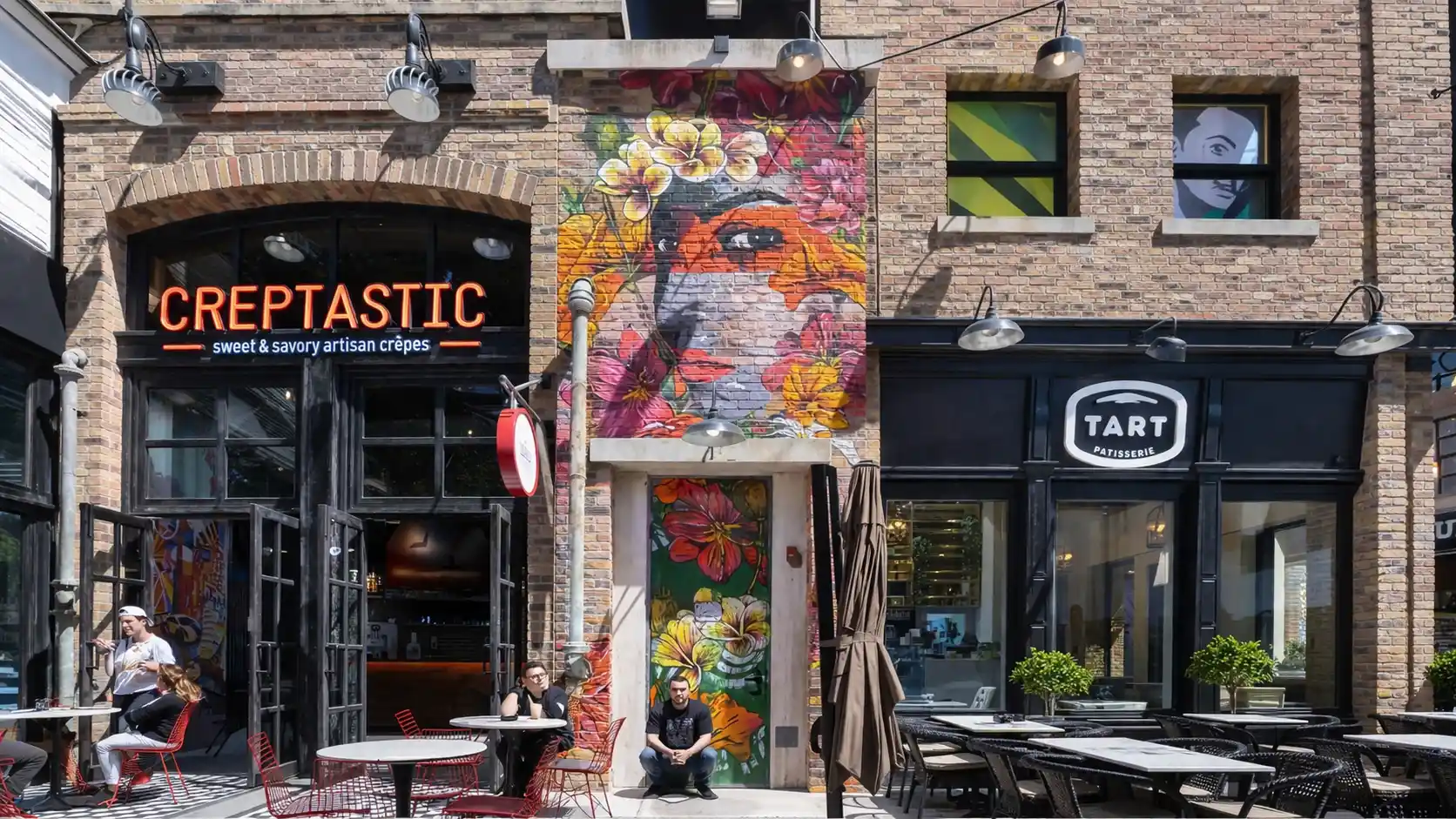
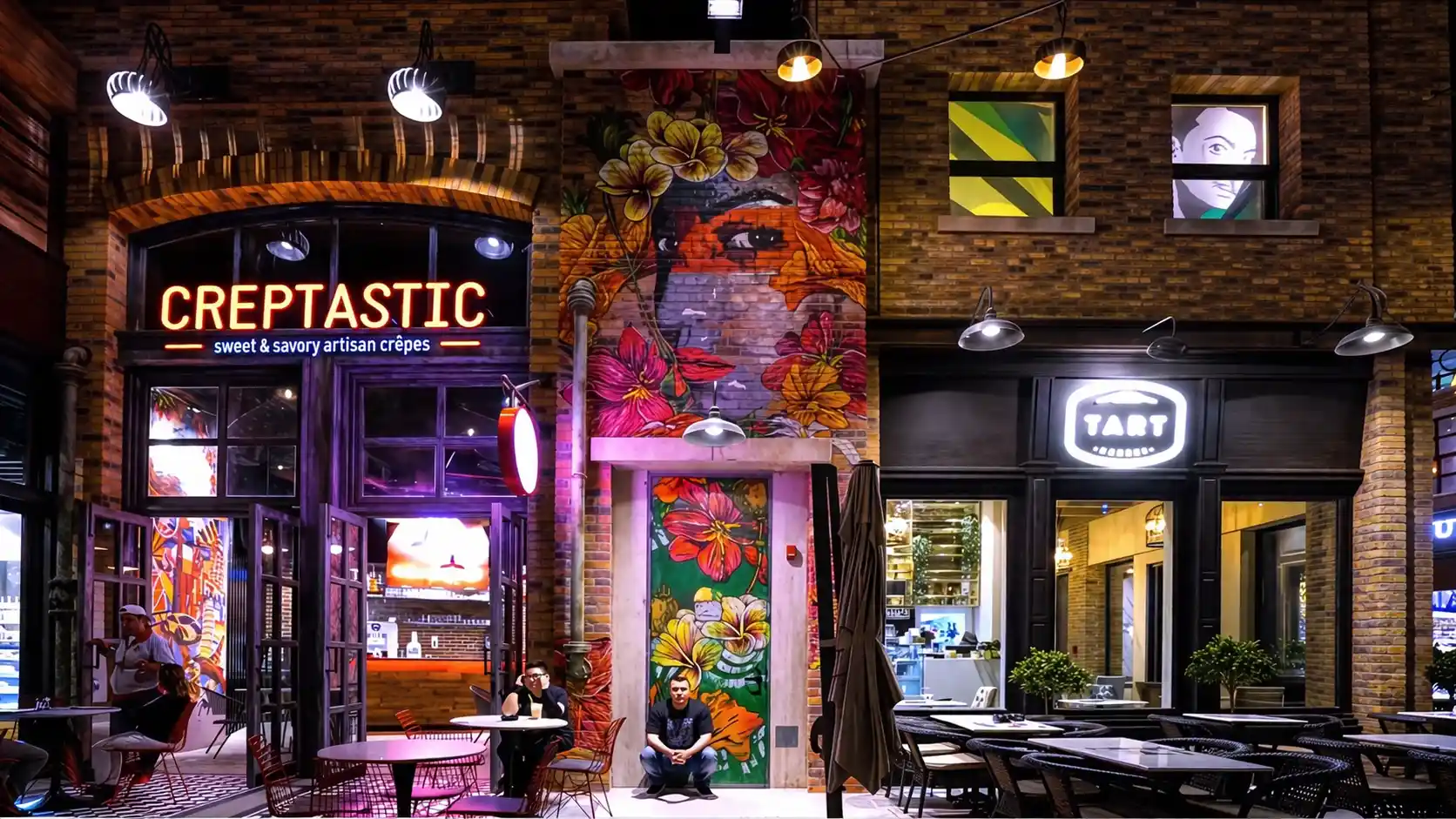
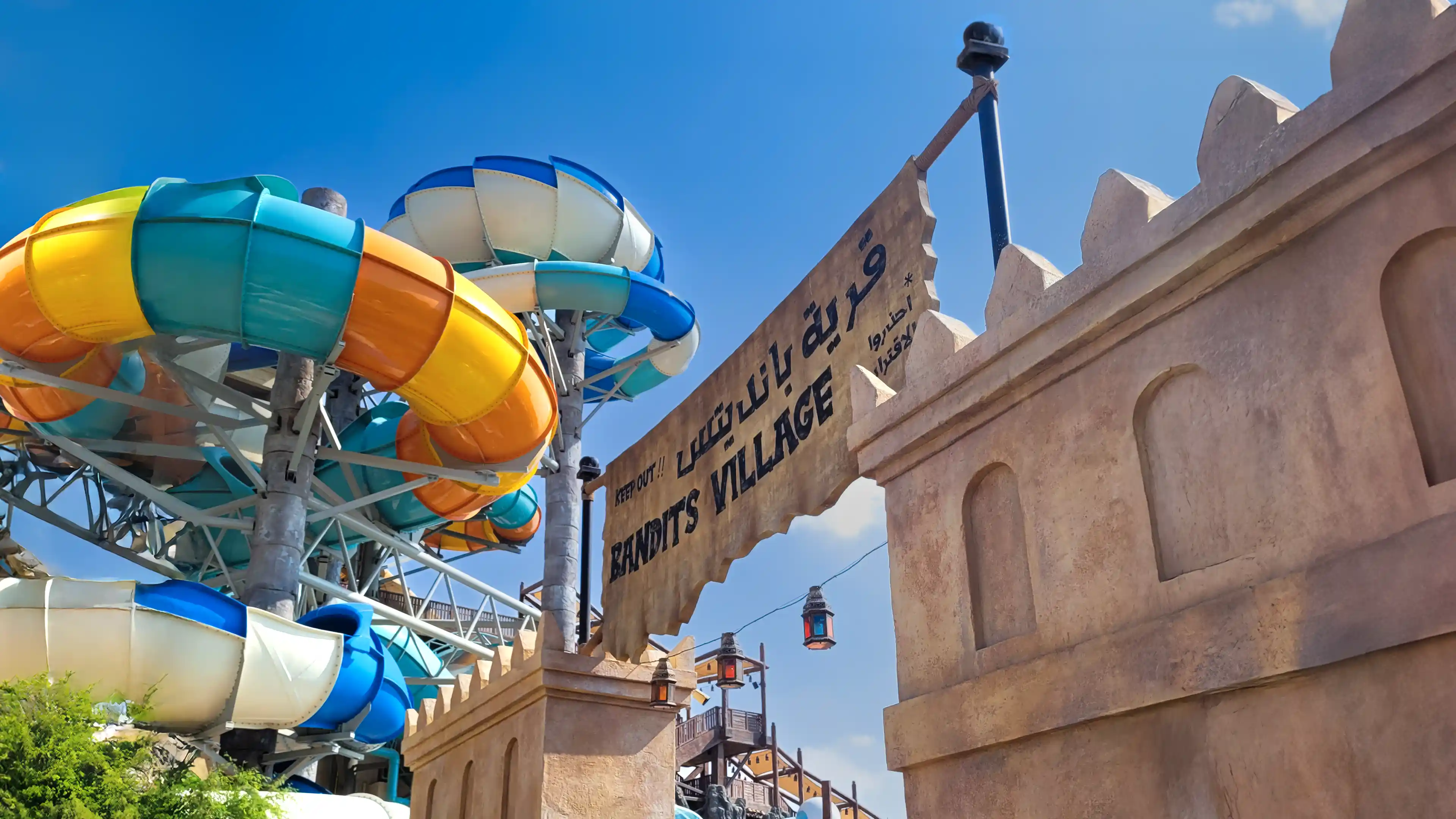
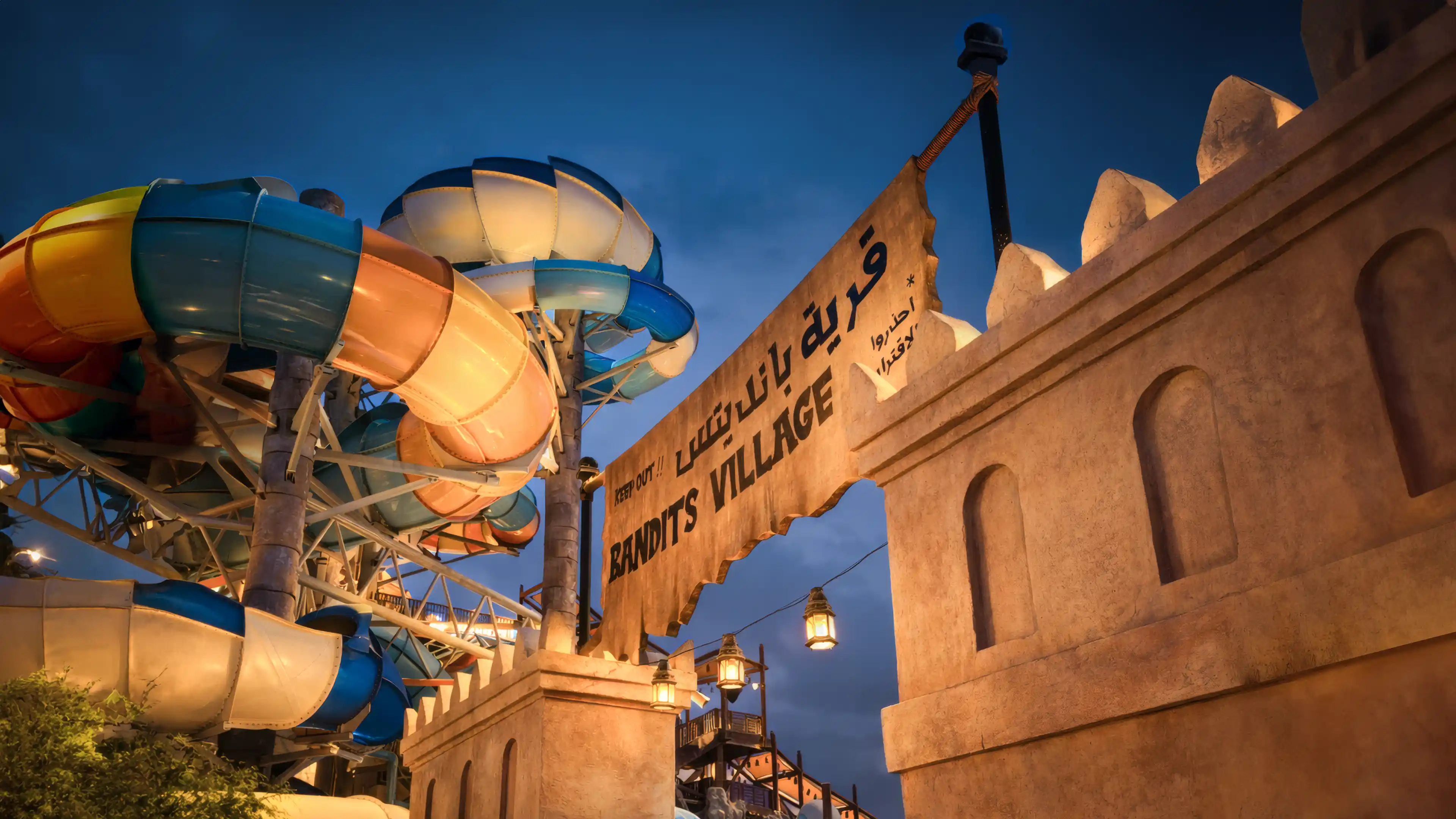
People navigate through more than signs. They remember towers, artworks, façades, landscape features, views, light, colour and distinctive public spaces. When these moments are planned strategically, they reduce cognitive effort and make complex environments easier to describe and recall.
Without a clear landmark hierarchy, projects can contain many dramatic elements but few reliable points of reference.
LIMAH studies movement, arrival, decision points, sightlines, scale, visibility and destination importance. We identify where primary, secondary and local landmarks can create the greatest value, then define the role each moment should play.
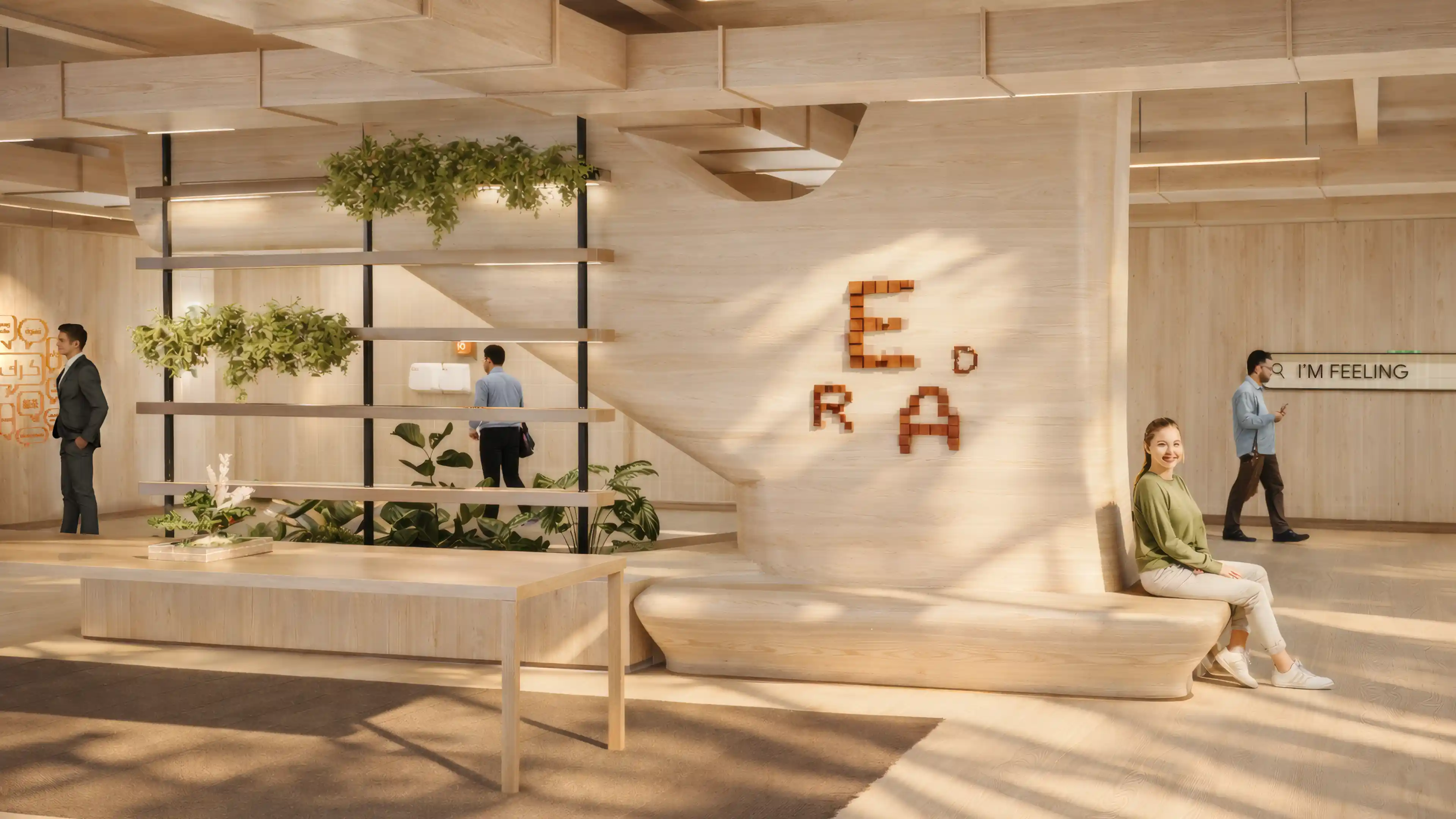
Landmarks may be architectural, artistic, environmental, digital or sensory. The strategy focuses on function and experience before form, helping project teams direct investment toward moments that support both identity and orientation.
Landmark Strategy connects place identity with wayfinding, public art and public realm design. The result is an environment people can read more intuitively, remember more easily and return to with greater confidence.