


Built environment design is the broad work of shaping these physical settings. Architecture is a central part of it. Built Environment Experience Design focuses on how people understand, navigate, use and connect with the environment, coordinating the spatial, informational, sensory and operational decisions that influence their journey.
For LIMAH, this work complements architecture and masterplanning. It gives the wider team a shared basis for decisions that cross individual buildings, disciplines and delivery packages.
The distinction matters on large developments. A district may contain well-designed assets, yet the connection from one to another can remain unresolved. Experience design examines those connections while the project can still respond.
Architecture and experience design share an interest in people
Architecture already considers human experience. Arrival, proportion, light, movement, material and the relationship between spaces are fundamental design concerns.
An experience design appointment adds a focused investigation across the complete journey and the systems supporting it. Its responsibilities need to be agreed with the architect, masterplanner, operator and client.
Consider a visitor travelling to a venue within a mixed-use district. The booking information may be managed by the venue, the access road by the master developer, parking by an operator and the building entrance by another design package. A digital map may introduce an additional naming system.
The journey crosses all of them. Someone needs to examine whether the instructions agree, whether the route is understandable and whether the arrival described before the visit matches the place encountered on site.
LIMAH works across those relationships. The contribution is a clear experience brief, design responses and coordination that help the appointed teams work towards the same user requirements. It does not transfer architectural or engineering responsibilities away from those teams.

At masterplan scale, the connections become a design task
Large developments are delivered through different assets, phases and appointments. Their users encounter one place.
A resident wants to distinguish the route home from the route to a public destination. A first-time visitor needs to relate a district name to a building and its entrance. A service team may need a different access sequence without introducing contradictory instructions for everyone else.
These conditions need a common structure. Destination hierarchy, naming and addressing should be considered across the masterplan, with clear relationships between district-wide information and local guidance.
Individual places can retain their own character within that structure. A park, residential neighbourhood and retail destination serve different activities. The experience strategy should explain what remains consistent and where a distinct response is appropriate.
Phasing adds another responsibility. An early opening needs an understandable arrival even while adjacent areas remain under construction. Temporary routes and later destinations should be considered within the developing framework, rather than treated as unrelated additions.
Aljada: a framework that connects destinations and phases
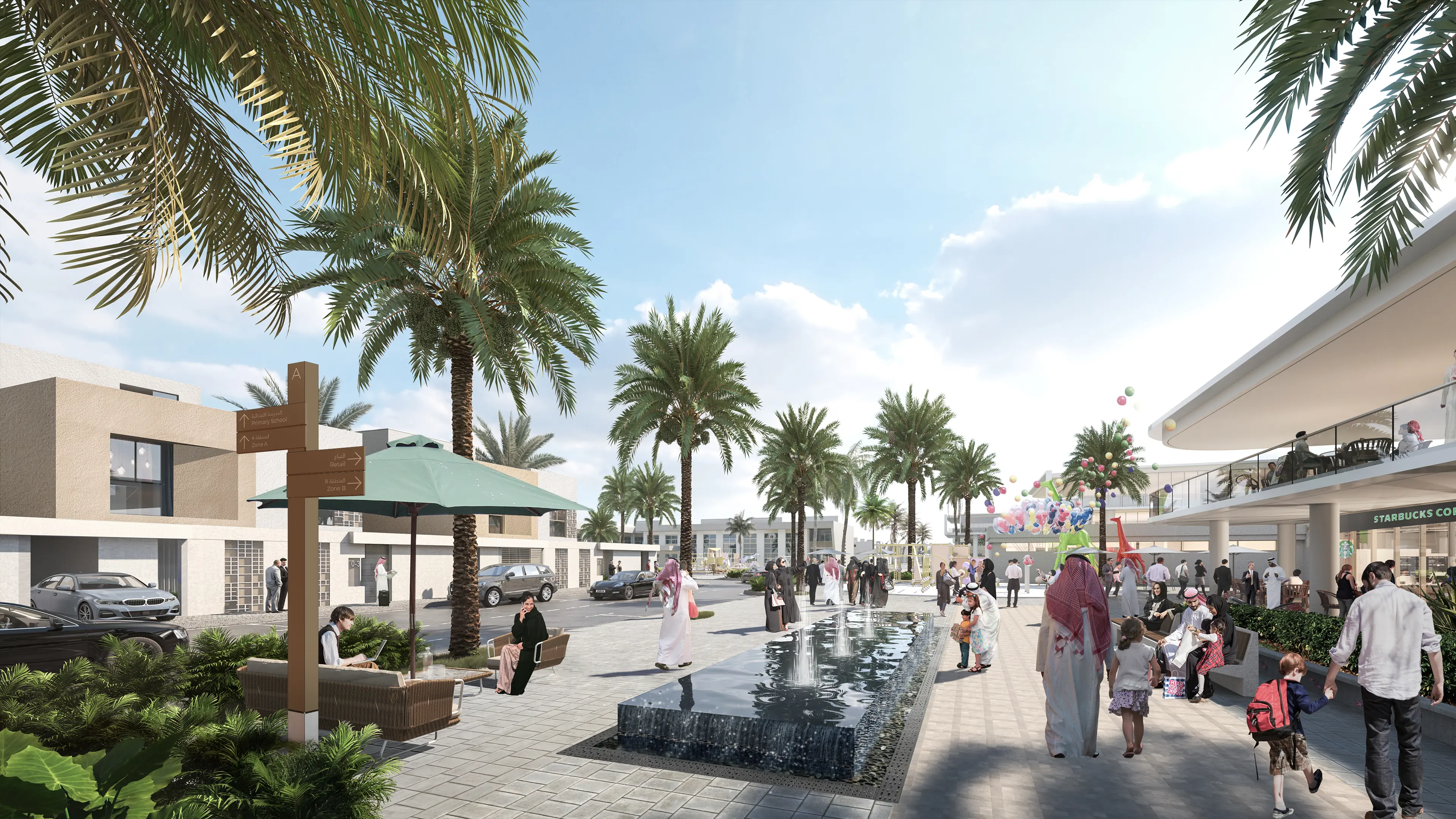
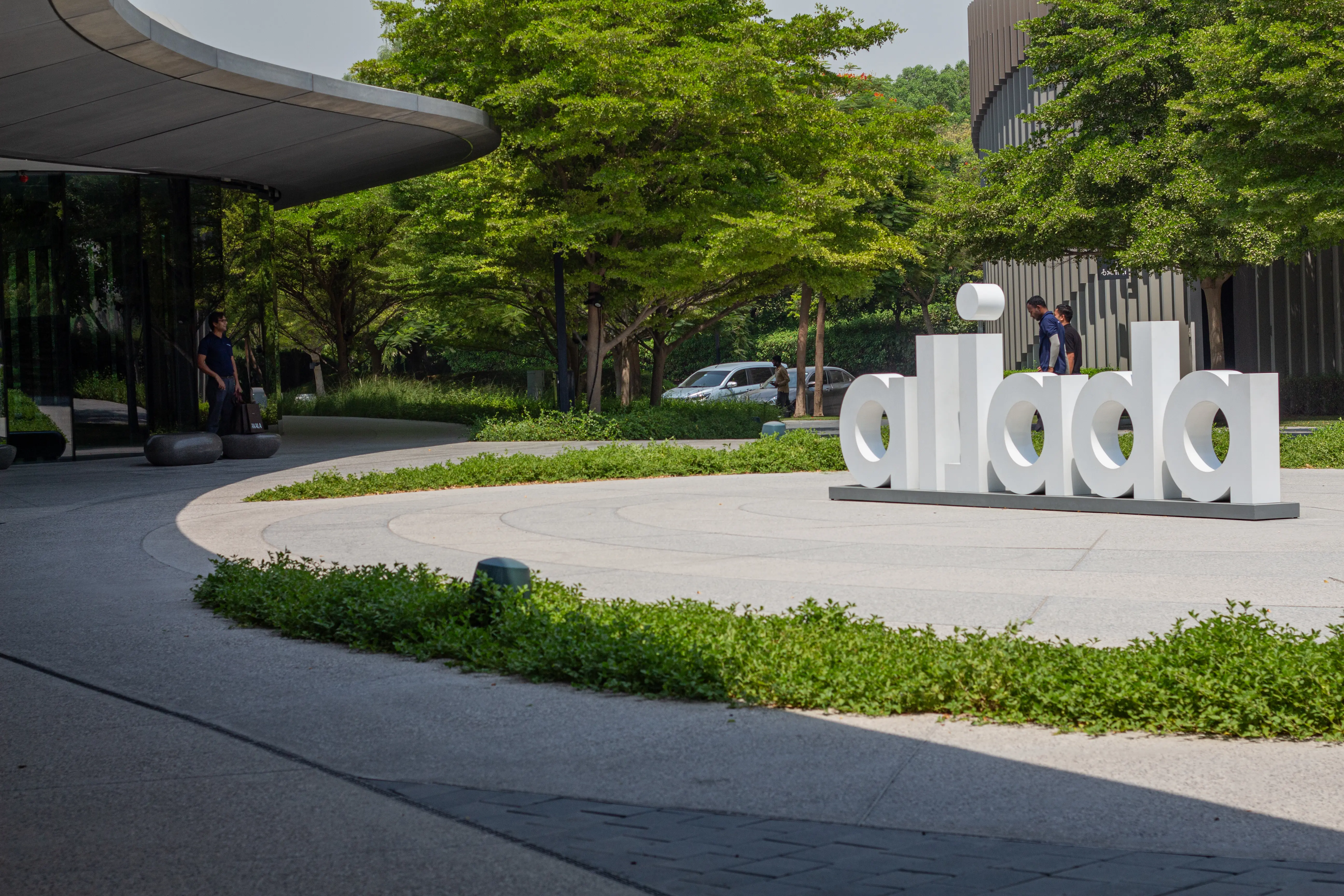
At Aljada in Sharjah, LIMAH developed the experience strategy and wayfinding framework for a mixed-use masterplan containing multiple neighbourhoods and destinations.
The work considered movement from district approach through to individual buildings, with naming, addressing and destination hierarchy providing a common foundation. Different journeys and future phases informed that structure.
The framework extended into local settings. At Aljada Mall, parking and navigation were connected with district arrival. At Central Park, colour zoning, gate naming and environmental graphics helped distinguish different activity areas.
This illustrates the relationship between a masterplan-level strategy and individual design responses. Shared principles give each destination a basis to work from, while its particular function informs the detail.
Diyar Al Muharraq: movement and identity across a large development
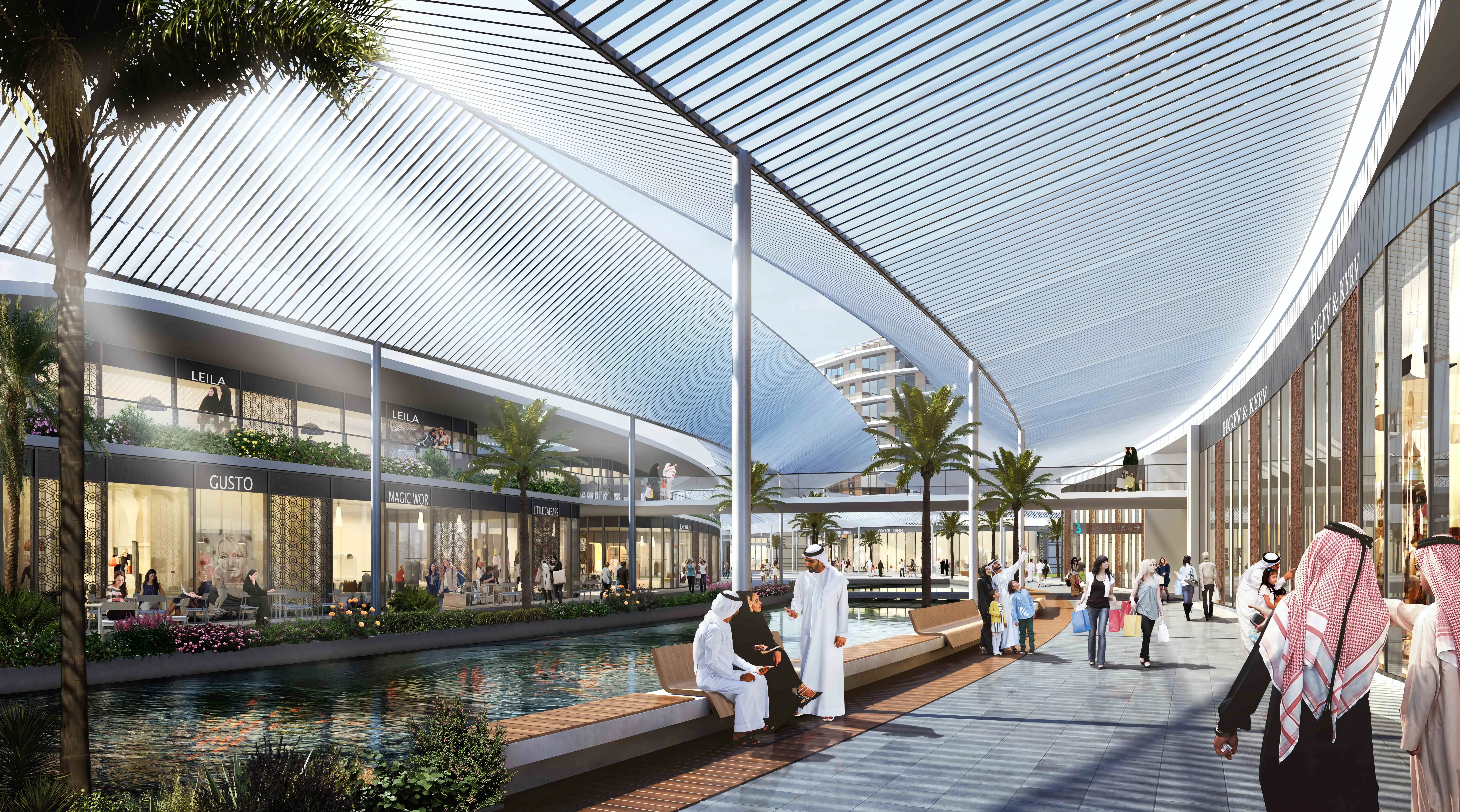
At Diyar Al Muharraq in Bahrain, LIMAH developed masterplan-scale navigation, public art and user experience strategies.
A north-south cognitive framework and a hierarchy of destinations organised the development at different scales. Cultural and environmental references, including pearling traditions and Kurar weaving, informed the experiential language.
The public art strategy also responded to location and scale. Prominent interventions were considered for major gateways and connections, while smaller works related to neighbourhood and community settings.
The project demonstrates how identity and orientation can develop together. A place can express local character while maintaining a recognisable relationship between the wider district and the destinations within it.
Madinat Al Irfan: connecting navigation with public realm
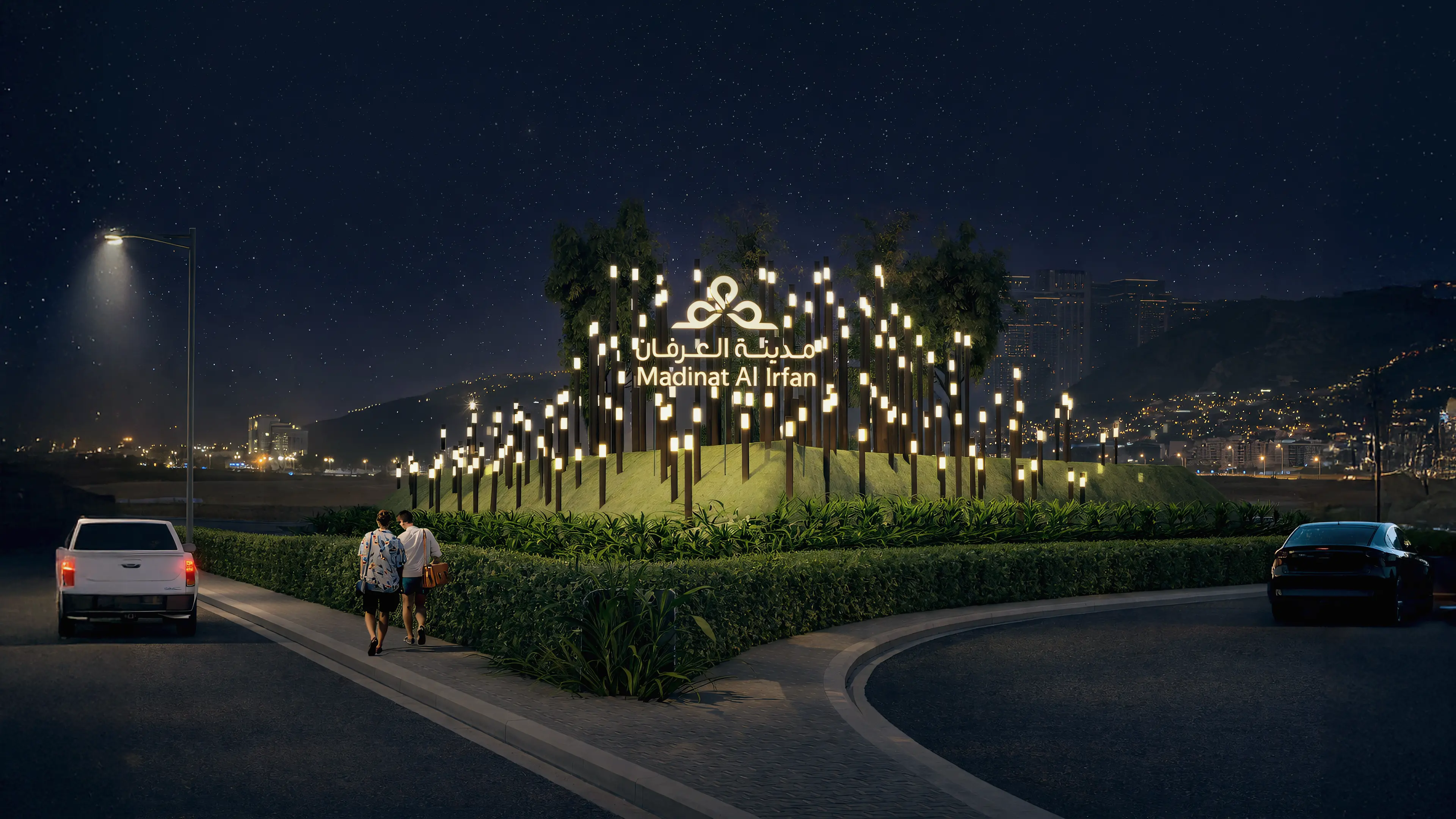
At Madinat Al Irfan in Muscat, LIMAH was appointed to develop wayfinding, public realm and user experience strategies across the masterplan.
The investigation extended from city-wide access to neighbourhood streets, parks and individual destinations. District identities were developed within a shared navigation framework, with naming, colour and culturally informed visual language contributing to orientation.
Public art was considered at different scales, from major arrival pieces to district thresholds and works integrated with landscape and movement.
This broadens the design conversation beyond where directions should appear. It asks how the environment itself can help people recognise their location and form an understanding of the place as they move through it.
Identity sensory character and digital interaction need a common brief
The experience of a development includes more than reaching a destination.
People also encounter its atmosphere, cultural expression and service touchpoints. Public art may establish a meeting point. Environmental graphics may communicate a place narrative. Music, designed background sound or scent may form part of a hospitality or retail setting. Digital information may support an arrival before the visitor reaches the site.
These interventions need a purpose within the experience. Selecting every available layer would create an extensive package without necessarily producing a clearer place.
The brief should establish where each contribution is useful and how it relates to the others. A busy arrival requires a considered information hierarchy. A quieter destination may need a different sensory character. A digital interface needs to use names people can recognise in the physical environment.
Tilal Al Irfan: an arrival concept across several design layers
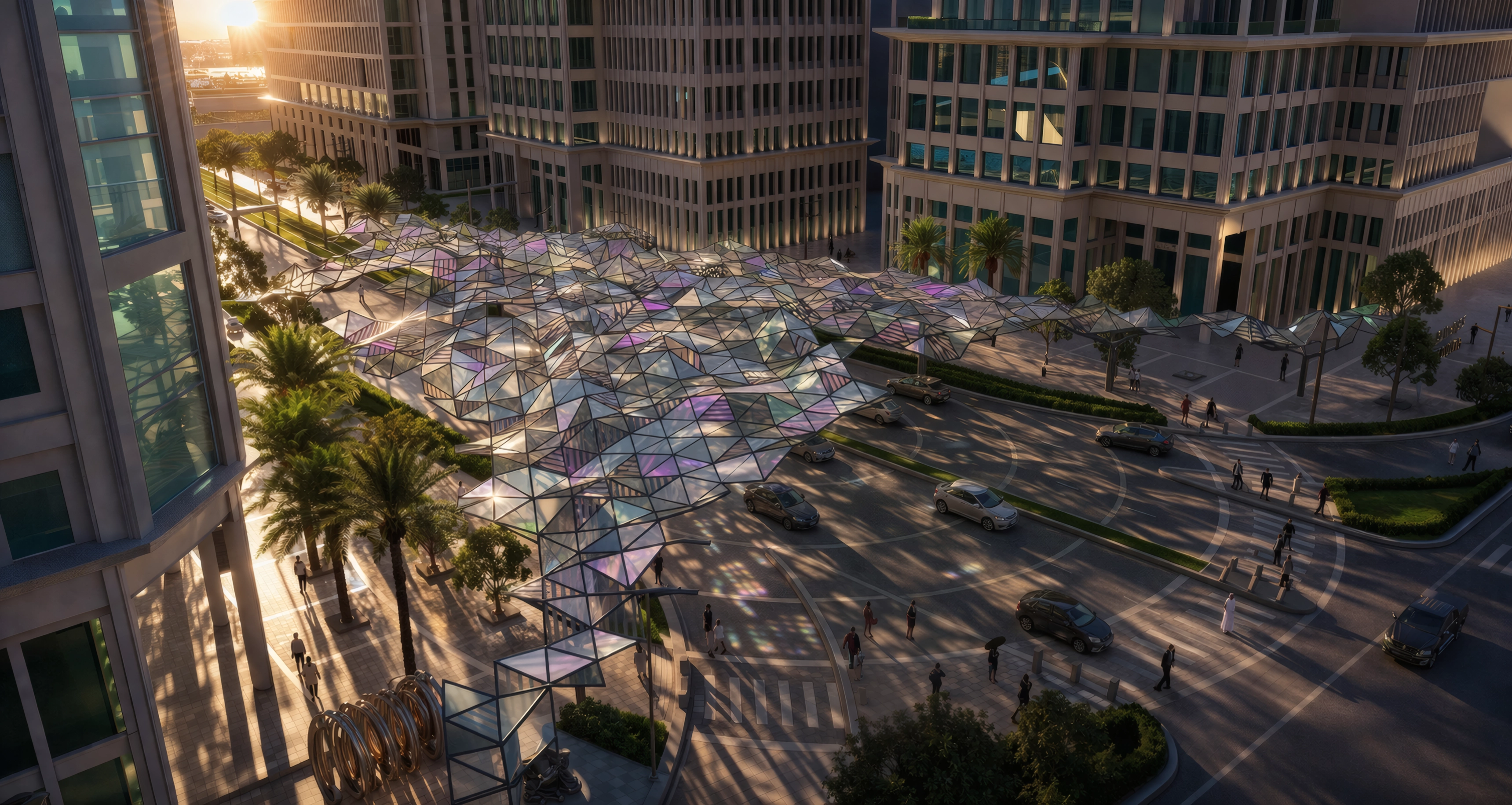
At Tilal Al Irfan in Muscat, LIMAH’s work focused on a public art gateway for the district’s arrival.
The concept brought sculptural form, material expression and digital layers together, considering vehicular and pedestrian experience. Its canopy geometry drew on the acacia tree associated with Oman.
This was a focused arrival commission within a larger development. It shows how experience design can connect art, identity and movement at a particular threshold, alongside the broader frameworks required elsewhere in a masterplan.
Accessibility depends on the complete route
An accessible destination also needs an understandable journey to it.
Consider whether people can identify the appropriate entrance before they reach it, find assistance and relate an alternative route to the information used elsewhere. The accessible journey should be included in route reviews and communication planning.
Physical, sensory and cognitive needs can raise different questions for the team. Information may need to be communicated through more than one channel. A route that is technically available may still be difficult to find. A change in destination naming between systems can create unnecessary interpretation.
Experience design helps identify these connections for coordinated resolution. Detailed accessibility design and compliance remain subject to the applicable project requirements and the responsibilities of the appointed specialists.
The review should extend beyond the completed building to its approach, public realm and operational touchpoints.
Bring experience requirements into design development
Early involvement gives the team more options. Arrival locations, visibility, destination relationships and public art opportunities can be considered before surrounding decisions become fixed.
The output should be specific enough to inform the project. Depending on the scope, it may include user journeys, naming principles, destination hierarchy, decision-point studies, identity direction, sensory intentions and requirements for physical and digital touchpoints.
Those requirements need to enter the relevant design reviews and documentation. A shared strategy has limited influence if individual packages proceed without reference to it.
During development, ask how proposed changes affect the journey. Moving an entrance may change the approach. Relocating a landmark may weaken its visibility. Revising a destination name may require updates across several systems.
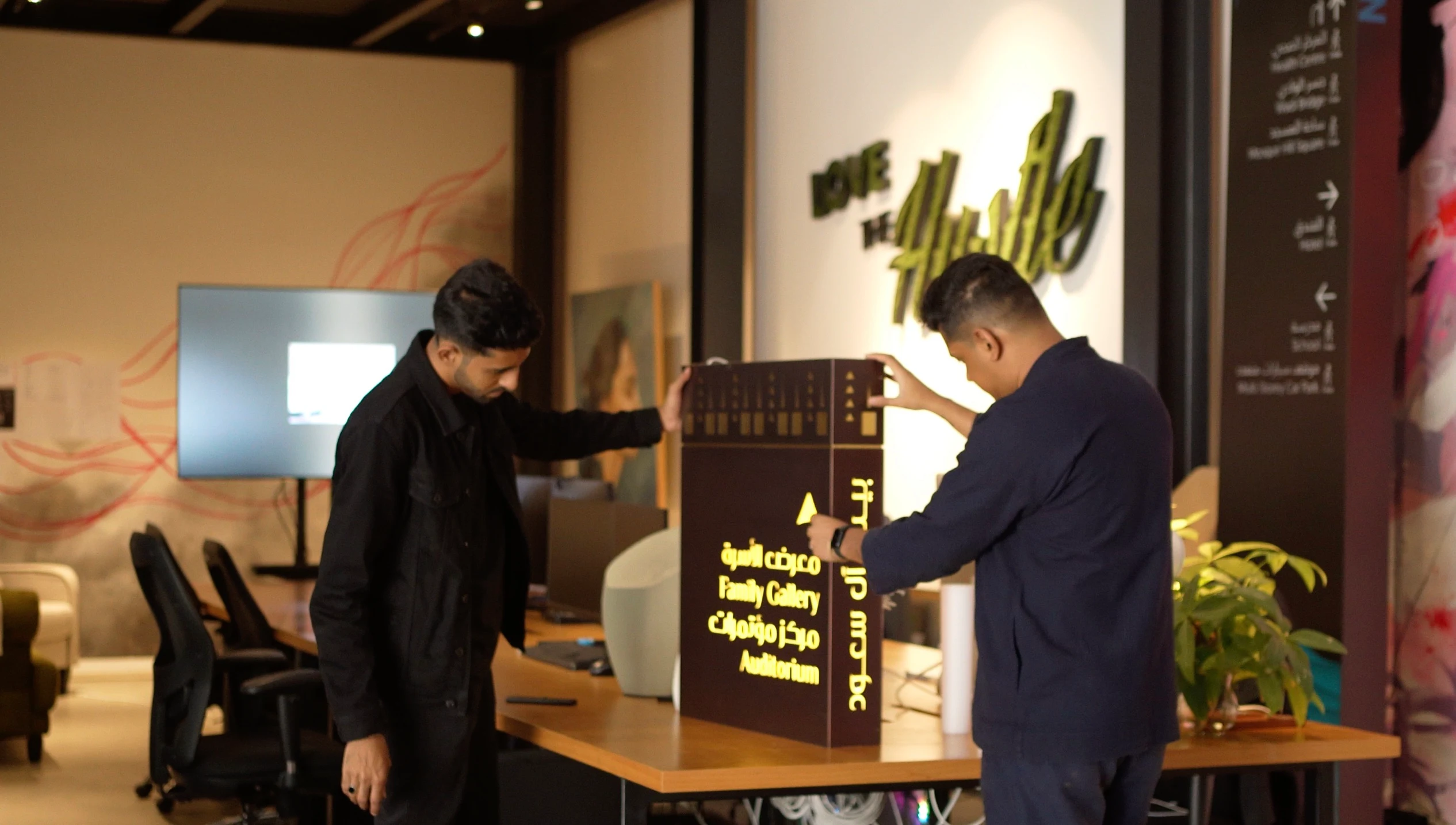
Technical documentation should then resolve the selected interventions to the level required by the appointment. Interfaces, remaining specialist work and review responsibilities need to be clear. Samples, mock-ups and coordinated reviews can help test important relationships before installation.
The client should be able to follow an experience requirement from the brief into the work being delivered.
Define the appointment around decisions that need coordination
The label “experience design” does not establish the depth of a service.
For a large masterplan, ask which users and journeys the team will investigate, what it can influence and which deliverables it will produce. Establish how it will work with the architect, masterplanner and operator, including the decisions requiring client direction.
Then examine what happens after concept. The appointment may need design development, technical coordination, review through delivery and an approach to operational change. Each should have an agreed scope.
LIMAH brings Experience Strategy, Wayfinding & Navigation, Place Identity & Public Art, Sensory Experience Design and Physical-Digital Experience Systems into that discussion as the project requires. Built Environment Integration and Technical Delivery & Governance help connect the selected responses with design and delivery. Innovation & Future Systems considers relevant opportunities for adaptation.
The value lies in applying the appropriate expertise to a defined problem. For the client, the useful starting question is which parts of the human journey currently fall between appointments, and who will take responsibility for coordinating them.