


Airport wayfinding design addresses that sequence of understanding, decision and movement. It connects the passenger journey with spatial cues, destination naming, physical and digital information, staff communication and the character of the environment. Signage is one layer within that system.
At LIMAH, Wayfinding & Navigation is approached as experiential design. The question extends beyond how passengers reach their destination to how they experience the airport along the way. Arrival, orientation, waiting and transitions between different settings all deserve consideration.
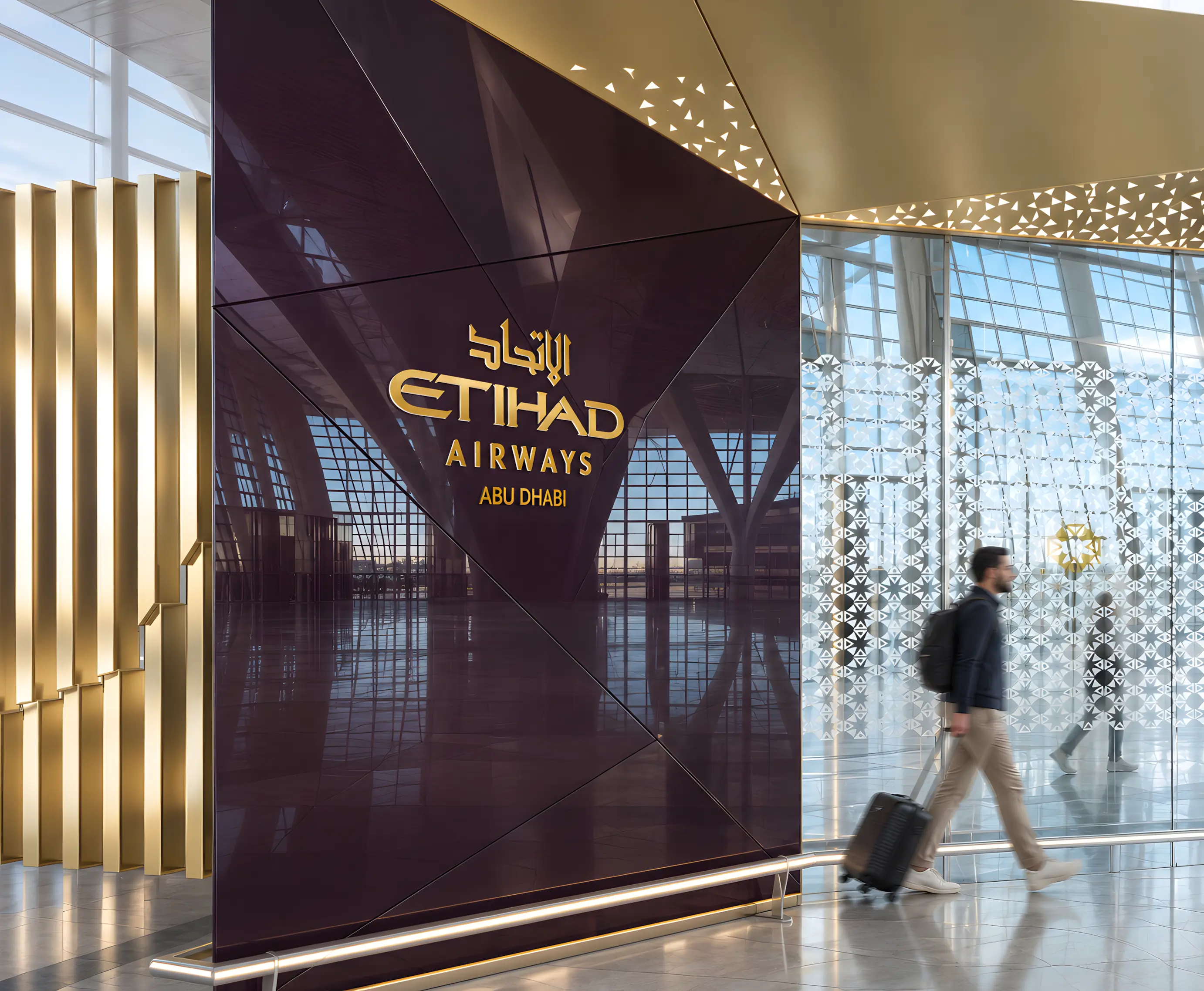
LIMAH’s airport experience includes Al Ula Airport, AMAALA VIP Airport and work focused on the Etihad lounge experience at Zayed International Airport in Abu Dhabi. These assignments bring different priorities into view: cultural identity, a luxury VIP journey and the experience of an airline lounge within a larger airport.
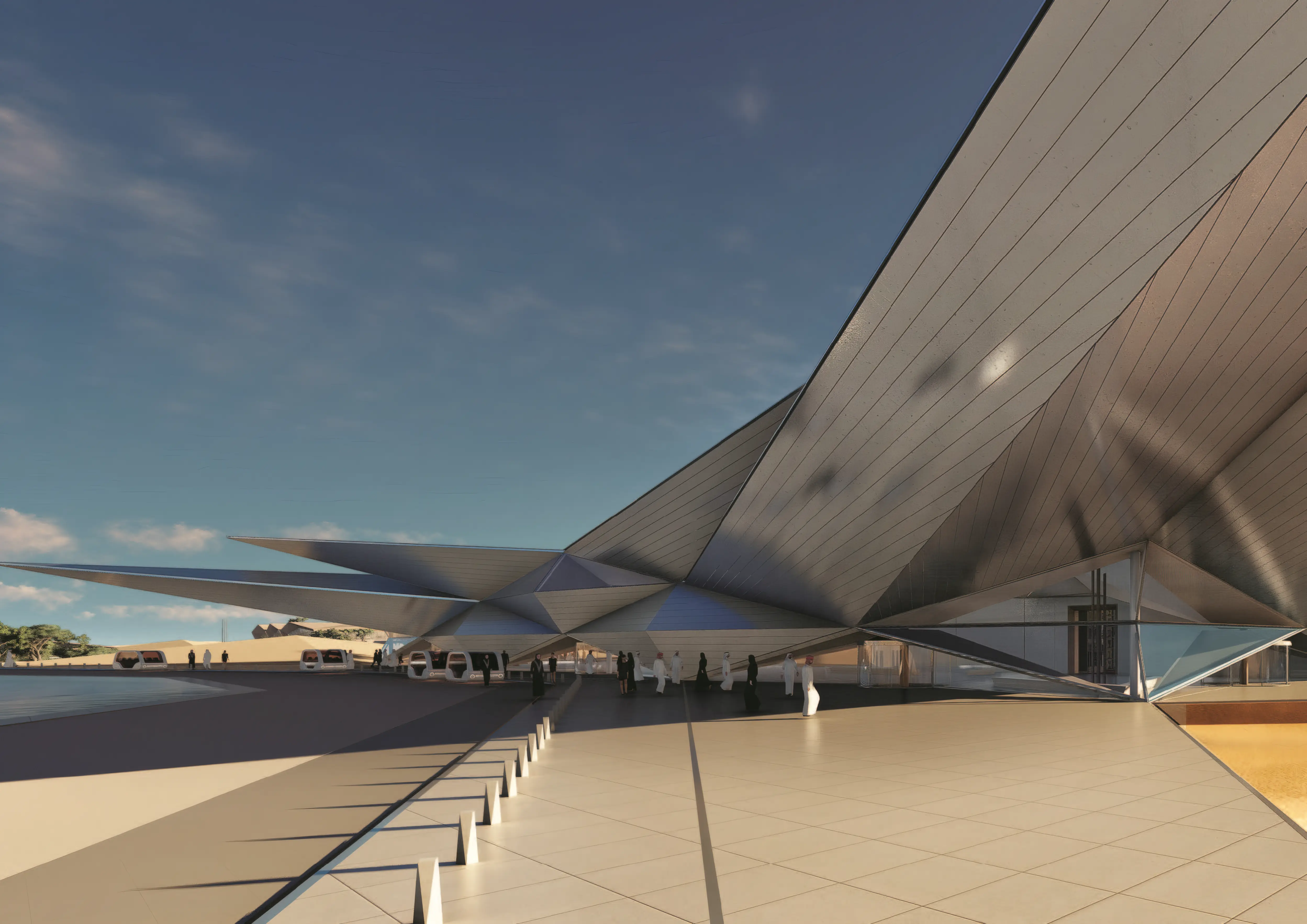
Start with the passenger journey
A terminal plan shows spaces and connections. An experience strategy examines how people understand and use them.
Departing passengers need to find the appropriate entrance, complete the relevant processes and reach their gate. Arriving passengers need to understand the route through applicable arrival procedures, baggage reclaim and onward transport. Transfer passengers may have a different sequence, with different decisions and less familiarity with the terminal.
These journeys also vary within each group. A frequent flyer may recognise the process but be unfamiliar with the building. Someone travelling with children may have less attention available for information. A passenger requiring assistance needs to understand how to access it and what to expect next.
Mapping those conditions helps the team identify where decisions occur and what people need at each point. It also reveals where the proposed environment asks too much of them.
An entrance may be difficult to recognise from the drop-off. A route may appear to continue naturally while the intended journey turns away. A passenger leaving a checkpoint may encounter several competing messages before finding the direction they need.
These conditions require examination alongside the architecture and operations. Adding information is one possible response. Clarifying a sightline, naming a destination differently or reconsidering an arrival sequence may address the problem more directly.
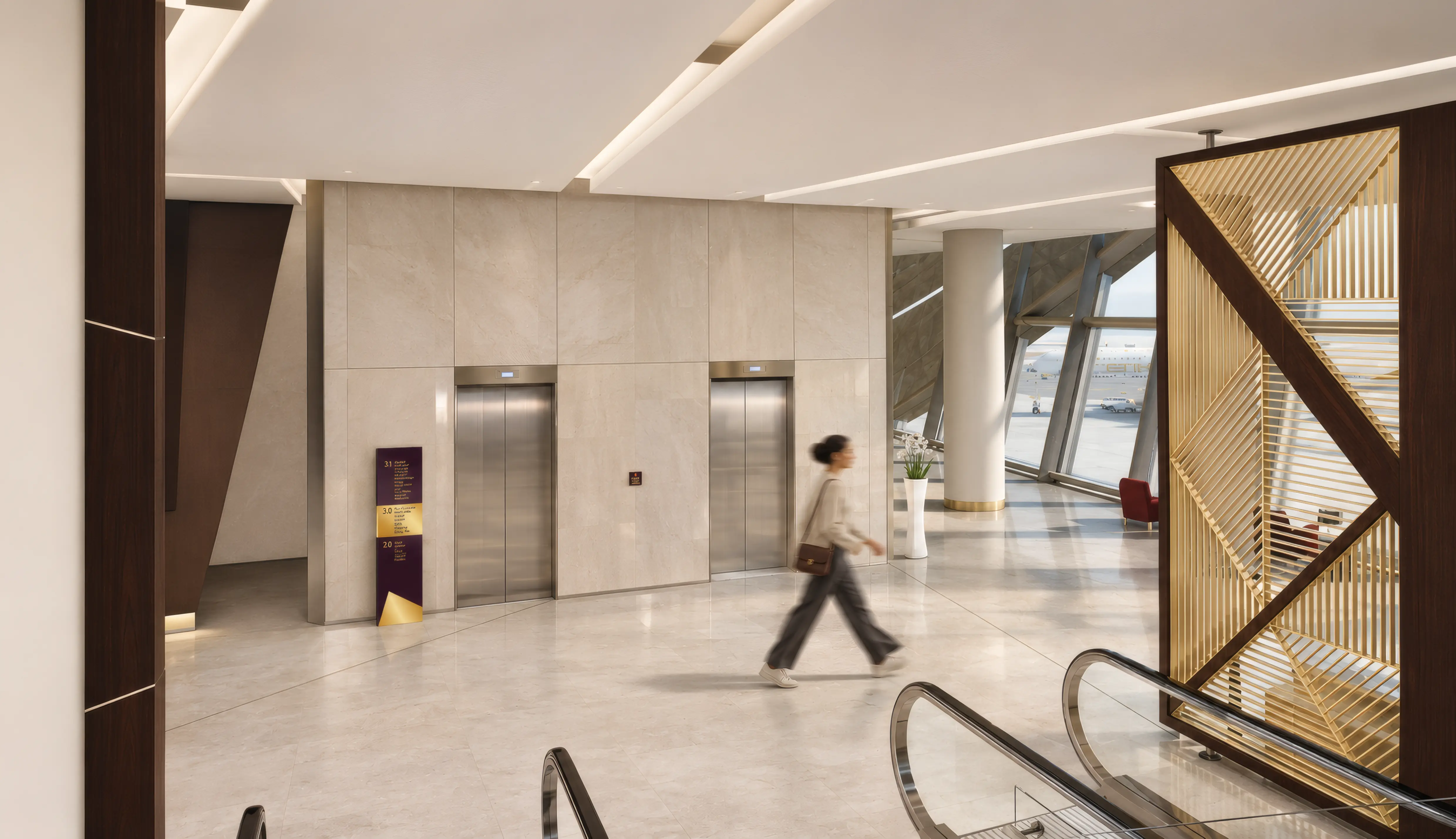
Make the environment support the next decision
Passengers encounter a terminal through a sequence of views, rather than the complete plan available to its designers.
At each stage, the environment should help them recognise their position and understand the next action. A visible destination, a recognisable landmark or a clear relationship between routes can contribute to that understanding.
Wayfinding design should therefore examine what people can actually see at the moment a decision is required. Drawings and spatial studies can test the approach to entrances, changes in level, junctions and destinations. Reviews should consider the surrounding architecture, lighting, retail and operational activity.
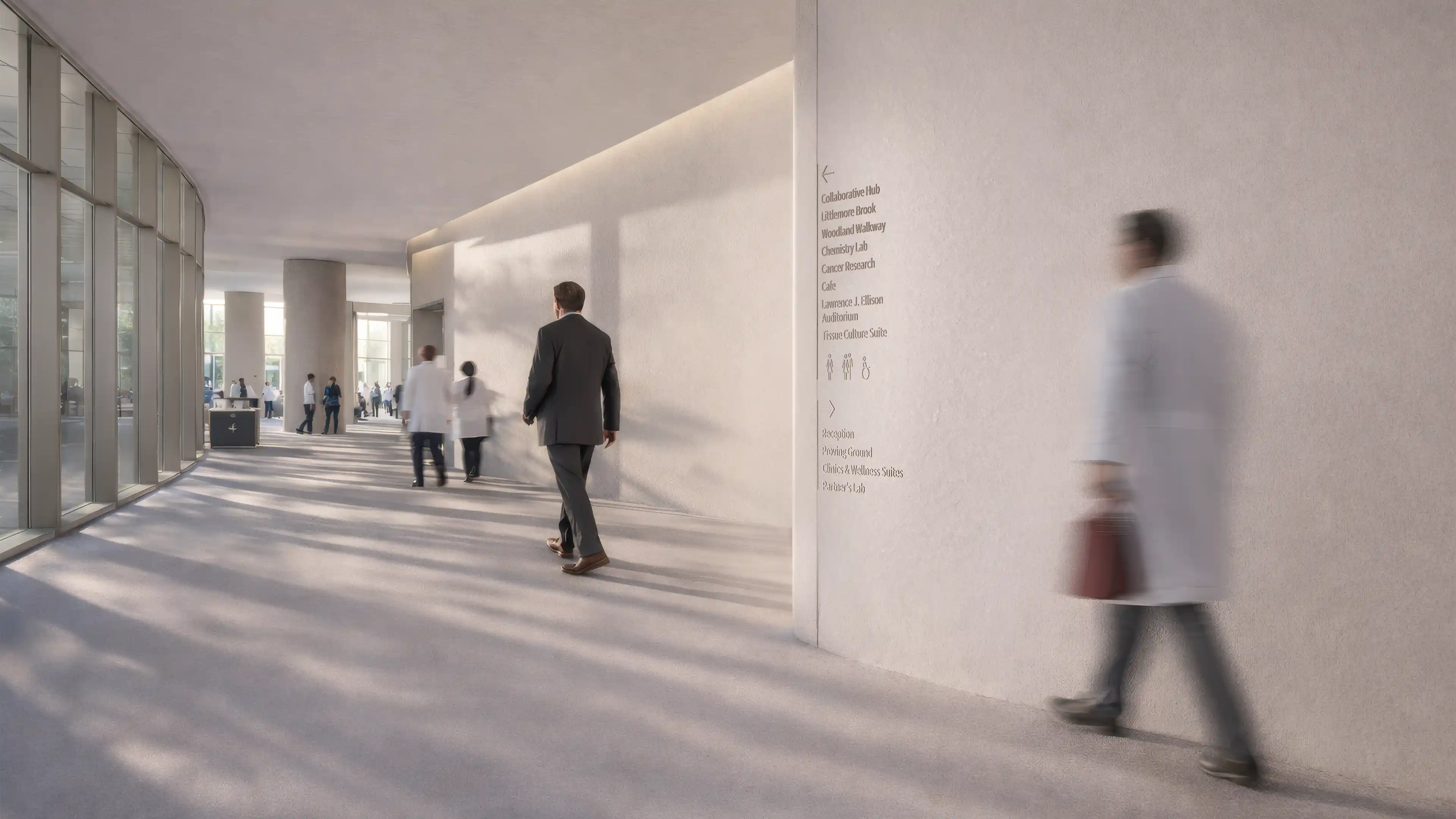
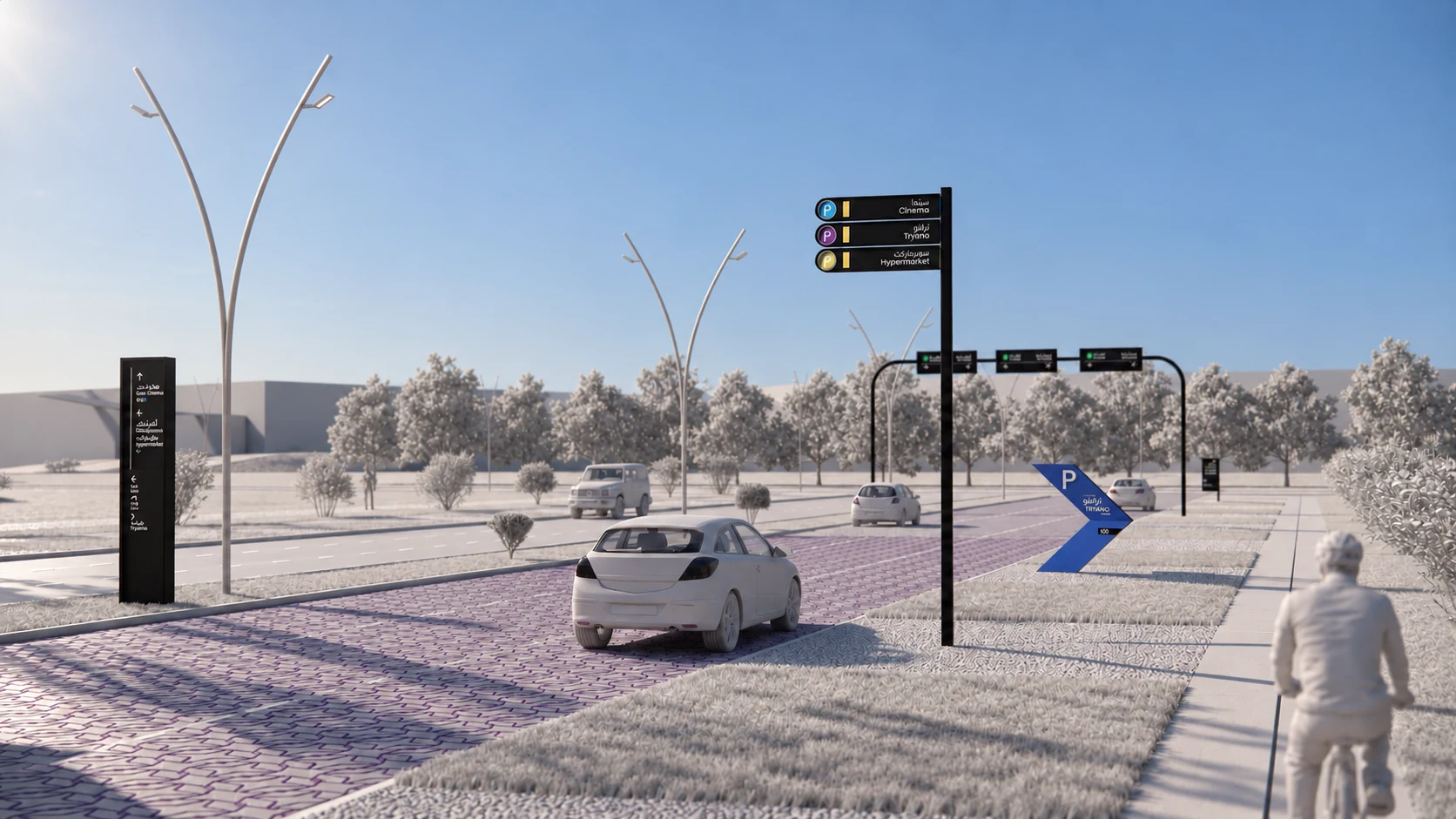
Physical information then needs to support that sequence. Directional messages should be available where people can act on them. Identification should confirm arrival. Reassurance may be useful where the destination remains out of view.
Information hierarchy matters as much as quantity. A passenger seeking a gate should not have to read every available service to find the next direction. The team needs to establish what is essential at each point and what can be communicated later.
Give physical and digital information one shared logic
Airport information changes. Gate assignments, baggage reclaim information and operational conditions can alter the journey after it has begun.
Physical and digital communication need a shared destination structure and naming system. A passenger should be able to relate what appears on a flight display to the route described elsewhere in the terminal.
This requires coordination across systems and responsibilities. The names used in maps, signs, screens and staff directions need to agree. Where information changes, the operator needs a clear process for updating the relevant touchpoints.
Digital technology can contribute responsive information and additional guidance. Its role should follow the passenger need. An interactive map may support route planning, while a physical landmark helps someone recognise their position without opening an interface.
Each layer should have a defined purpose, including an understood response when a screen, connection or individual touchpoint is unavailable. The wider navigation experience needs enough continuity for passengers to keep making sense of the place.
Treat language and accessibility as journey requirements
Multilingual airport wayfinding involves more than translating an English layout.
The team needs agreed terminology, clear message structures and layouts that accommodate the relevant languages. Arrows, symbols and destination names should be reviewed together against the actual direction of travel and the information needed at that location.
Language choices and detailed requirements should be established with the airport operator and relevant project specialists. A template from another terminal cannot substitute for that work.
Accessibility also extends across the journey. Consider where people can see and reach information, how they find assistance and whether alternative routes remain understandable. Someone using an accessible route should still be able to relate it to the destination names and information used elsewhere.
Visual, audible and tactile communication may contribute according to the setting and applicable requirements. These channels need coordination, with detailed design and compliance reviewed by the responsible specialists.
The practical test is whether people with different needs can understand what to do next. Review the complete sequence, including transitions between physical routes, information and operational assistance.
Connect clarity with the identity of the airport
An airport can provide clear navigation while expressing a distinctive sense of place.
Public art, environmental graphics, material expression and cultural references can contribute to what passengers recognise and remember. Their relationship with navigation needs judgement. A prominent artwork may become a useful landmark, while an arrival space may establish the identity of the destination before someone reaches a reception point.
Sensory Experience Design introduces further considerations. The sound of activity, announcements and background audio contribute to the atmosphere. Lighting and other environmental conditions influence how information is encountered. Added sensory elements need to be appropriate to the setting and coordinated with essential communication.
The purpose is to develop an experience suited to the airport and its users. Some moments require directness and restraint. Others offer room for engagement, cultural expression or a more considered transition into hospitality.
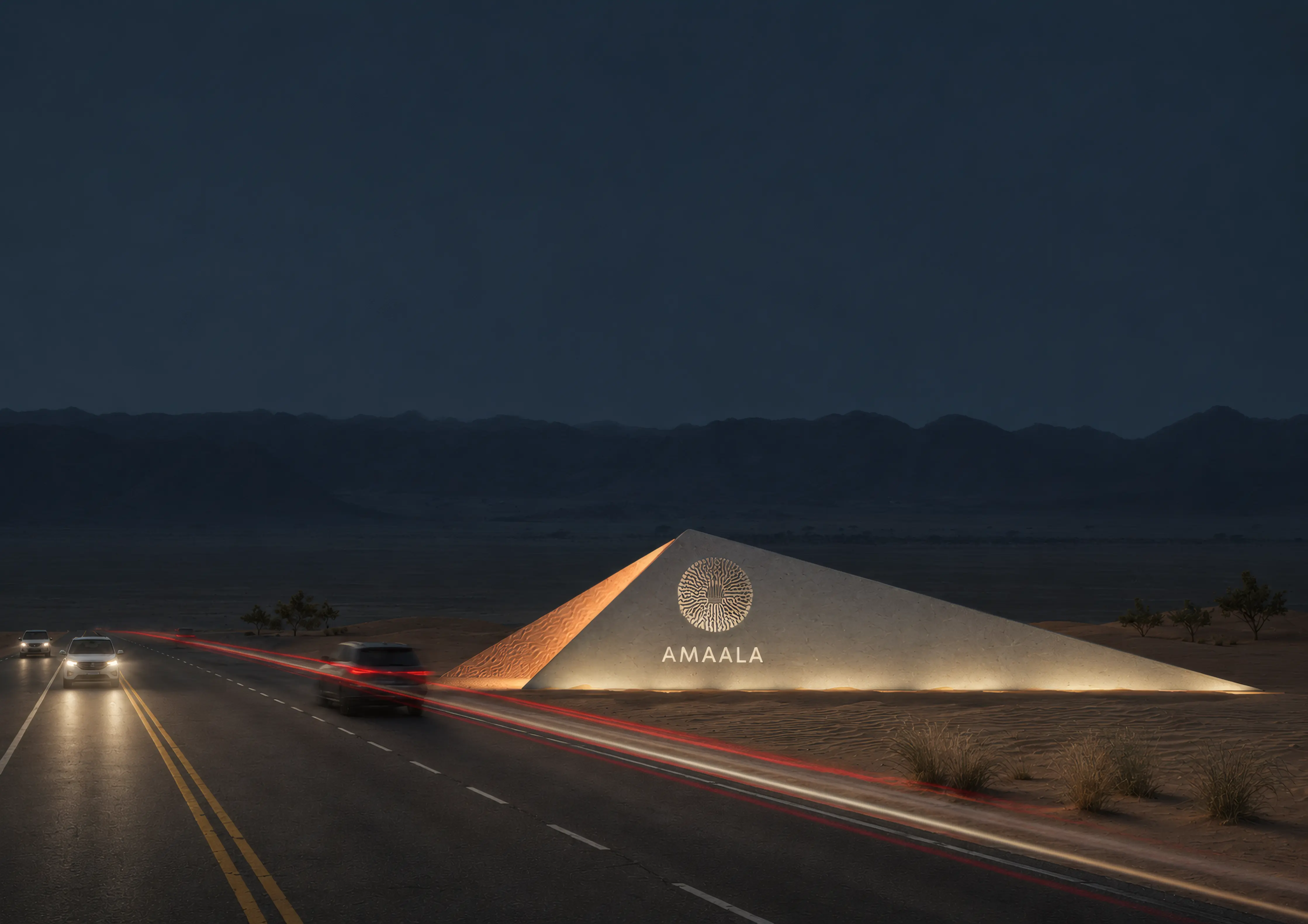
AMAALA VIP Airport: public art within a luxury journey
LIMAH’s work at AMAALA VIP Airport focused on the experience of the luxury private-jet traveller. Public art formed a substantial part of that user experience.
This brief places emphasis on the character of the journey as well as its clarity. A VIP environment needs an appropriate relationship between movement, service and the spaces encountered along the way. Public art can contribute to that relationship through the experience of the place itself.
The distinction is important when defining the consultancy scope. Selecting sign locations would address only part of a brief concerned with how the traveller experiences the airport.
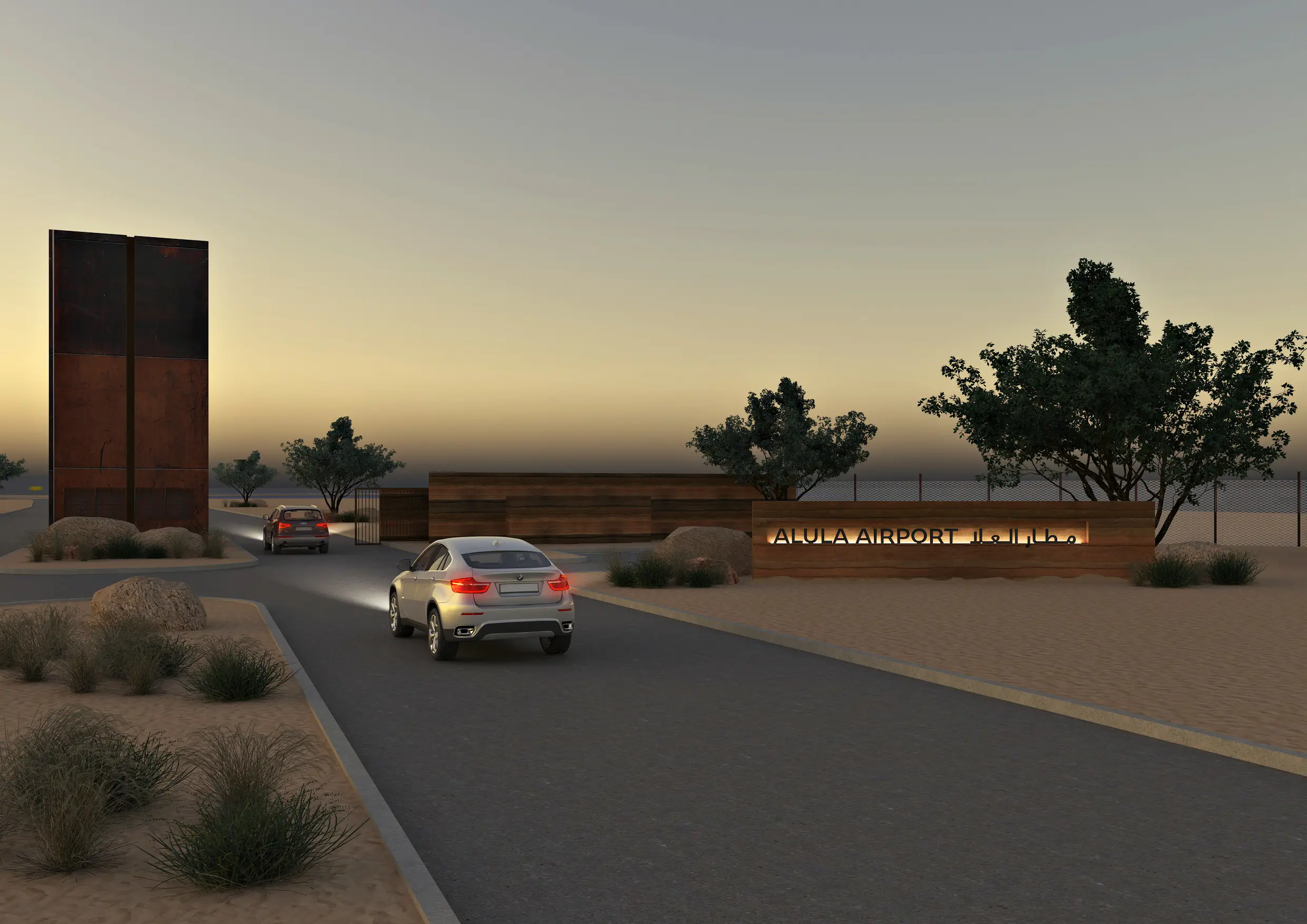
Al Ula Airport: placemaking rooted in regional culture
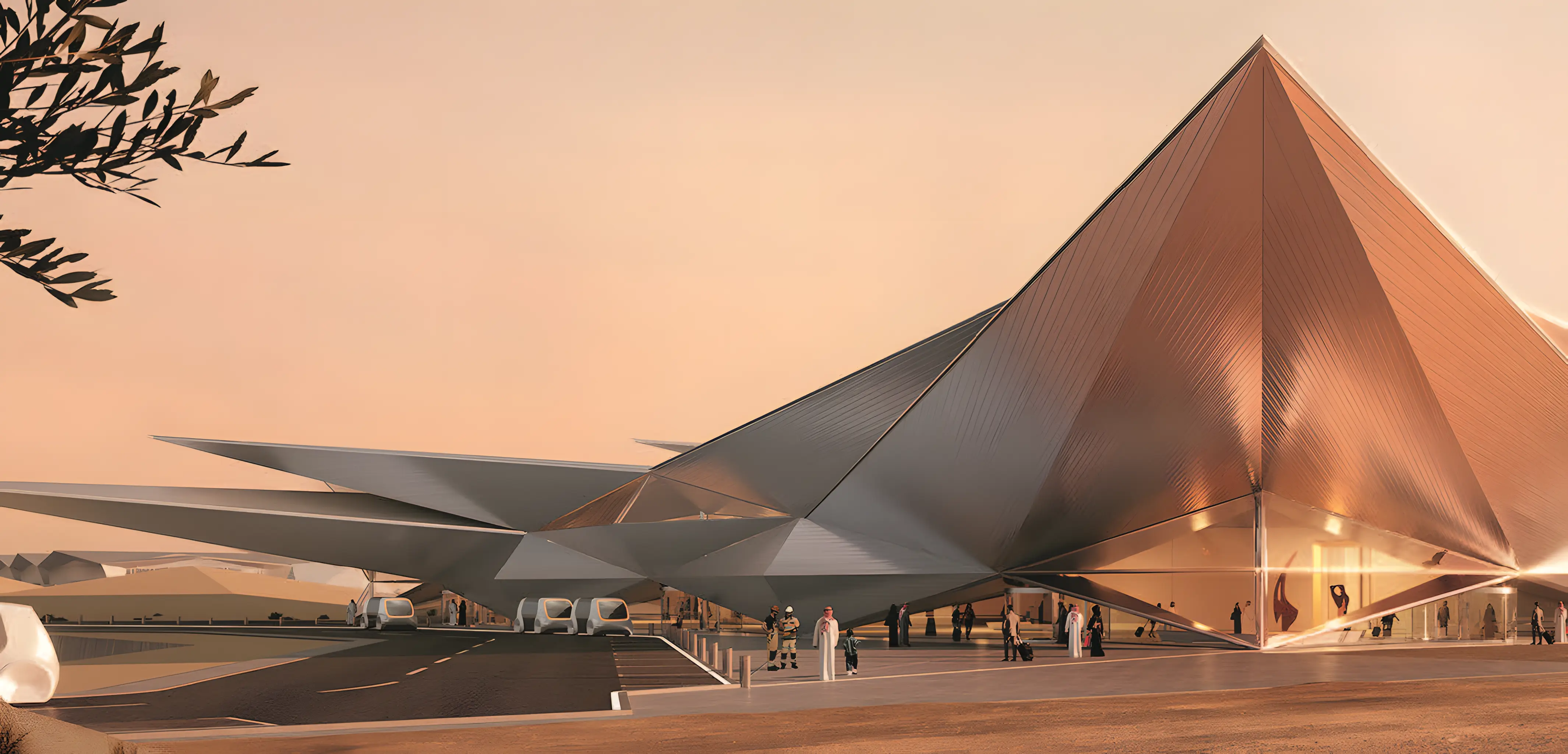
At Al Ula Airport, LIMAH’s focus included creating a unique sense of identity through placemaking connected to the cultural context of the region.
That starting point asks how an airport belongs to its destination. The experience should provide a meaningful introduction to the place while supporting the practical journey through it.
For the wider design team, identity and orientation need to be considered together. A place-specific character should coexist with understandable destinations and consistent information. Cultural expression needs sufficient purpose and coherence to inform the experience beyond individual graphic treatments.
Zayed International Airport: the Etihad lounge experience
LIMAH also worked on the Etihad lounge experience at Zayed International Airport in Abu Dhabi. This was a focused lounge assignment within the wider airport environment.
A lounge introduces a different experience brief. Guests move from the terminal into a hospitality setting, spend time there and then return to the departure journey. Understanding arrival, orientation and that transition helps frame the design questions.
The lounge still belongs to the passenger’s continuous airport experience. Its identity, service touchpoints and information need to support that connection, even as the atmosphere and activities change.
Together, these assignments illustrate why airport experience design needs a project-specific brief. Cultural identity, a VIP journey and a lounge setting each ask different questions of the design team.
Carry the experience into technical development
A navigation strategy needs to remain clear as the project becomes more detailed.
Information locations must be coordinated with architecture, lighting, equipment and surrounding uses. Graphic layouts need to reflect agreed destination names and message priorities. Digital touchpoints need appropriate physical positions and an understood content responsibility.
Technical documentation should resolve the relevant design decisions to the level required by the appointment. For physical signs, this may include dimensions, materials, finishes, graphic layouts, illumination intent, mounting conditions and interfaces with adjacent construction.
Specialist engineering and fabrication responsibilities should be explicit. The project needs a clear design basis, an agreed route for further development and a process for reviewing proposed changes.
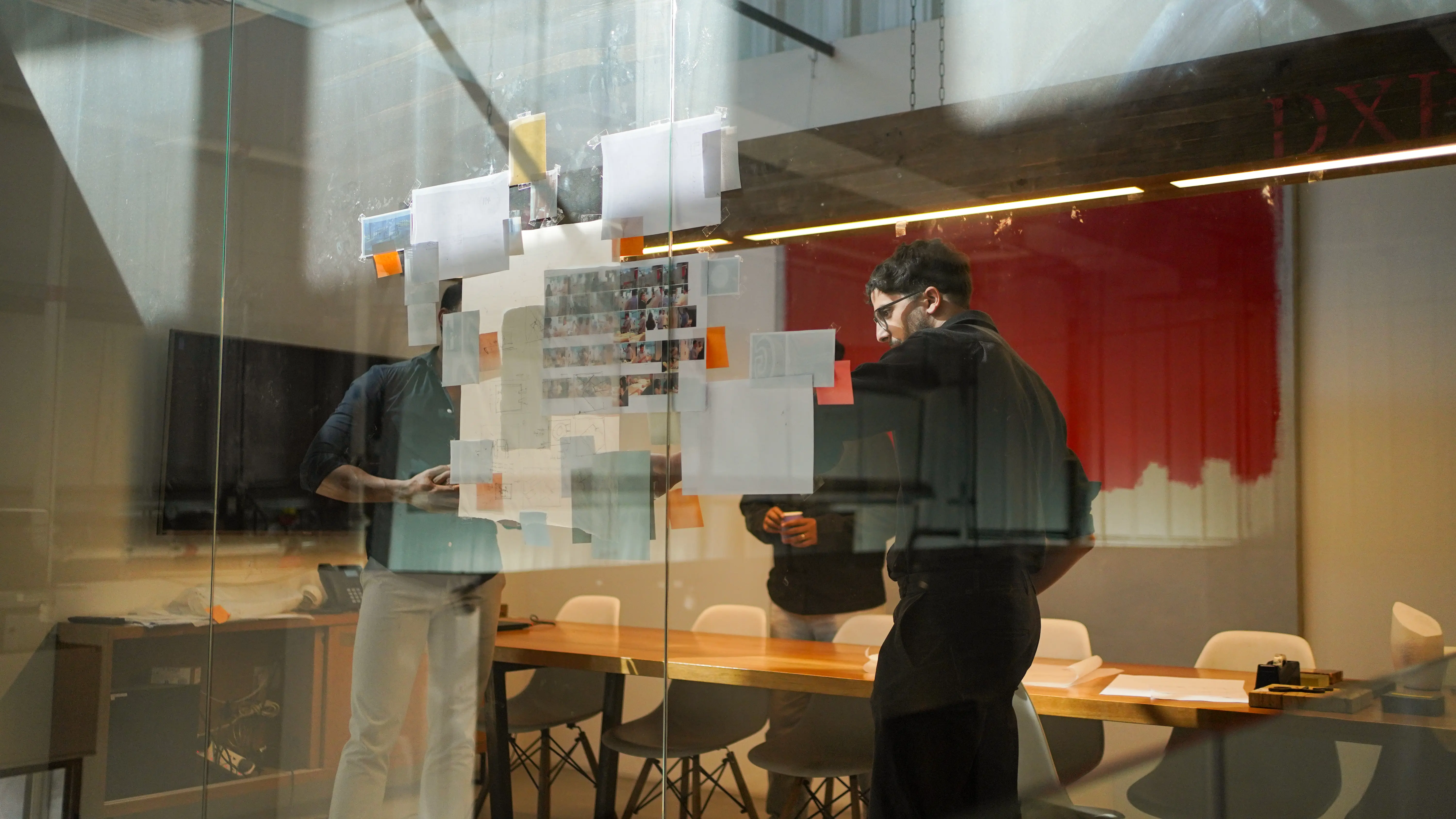
Testing can examine whether the intended experience remains understandable. Spatial reviews, mock-ups and user evaluation can reveal questions that are difficult to assess on a graphic layout alone: whether information is visible from the approach, whether the next direction is clear and whether adjacent activity competes with the message.
Reviews should lead to decisions and recorded resolution. Their value comes from what the team learns and changes before passengers encounter the finished environment.
Plan for an airport that will change
The opening condition is one stage in the life of an airport.
Destinations, services and operational arrangements may change. Temporary works can affect routes. New information can be introduced by different teams.
The navigation system needs governance suited to those conditions. Establish who owns destination naming, who approves new physical information and how digital updates connect with changes on site. Temporary guidance should be considered within the same journey logic.
LIMAH’s wider approach connects Experience Strategy, Wayfinding & Navigation, identity, sensory and digital thinking with Built Environment Integration and Technical Delivery & Governance as the project requires.
For an airport client, the first decision is what responsibility the appointment needs to carry. If the brief concerns the complete passenger experience, it should allow the team to investigate that experience, influence the relevant design decisions and support their delivery. Start while the terminal and its interfaces can still respond.