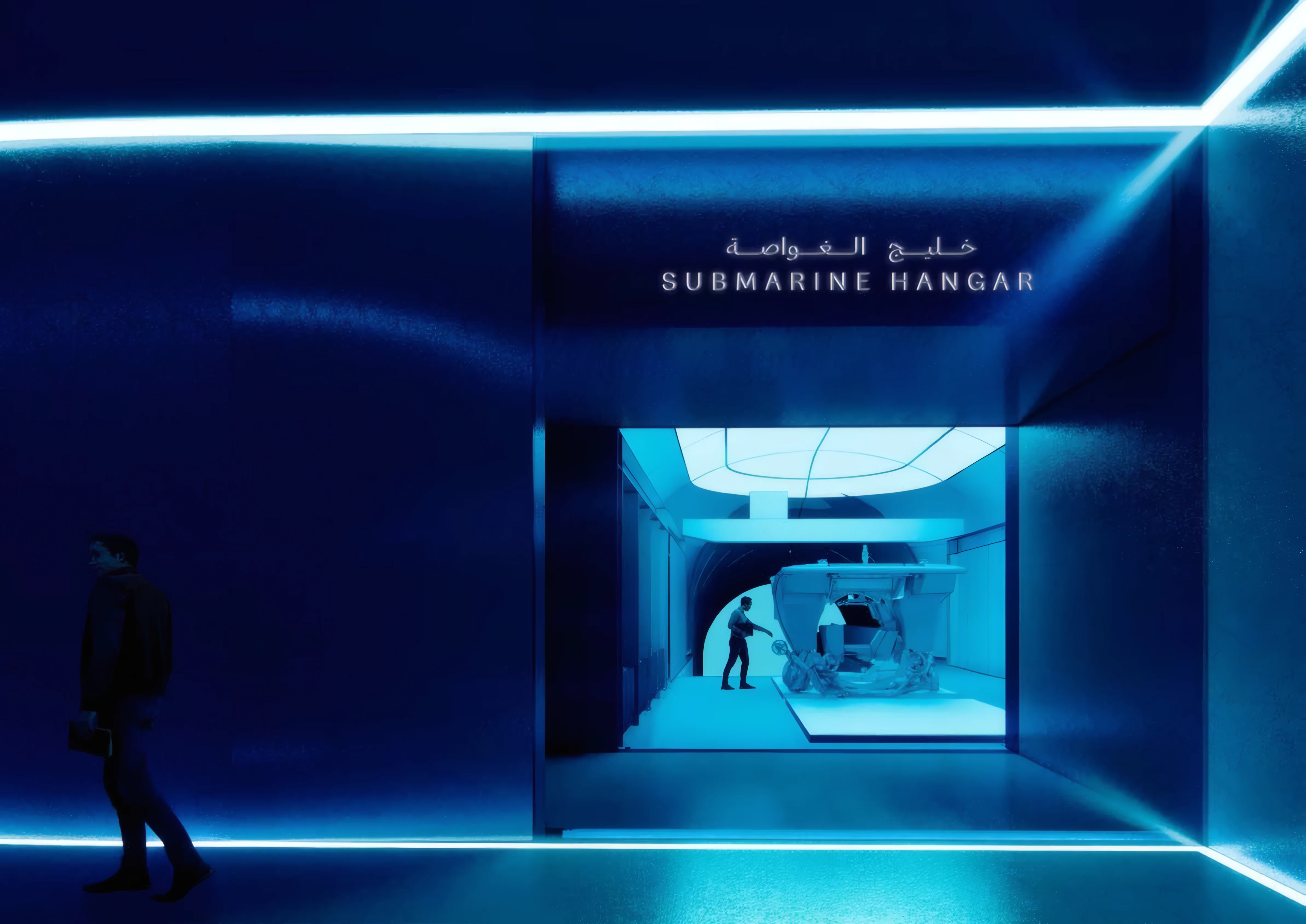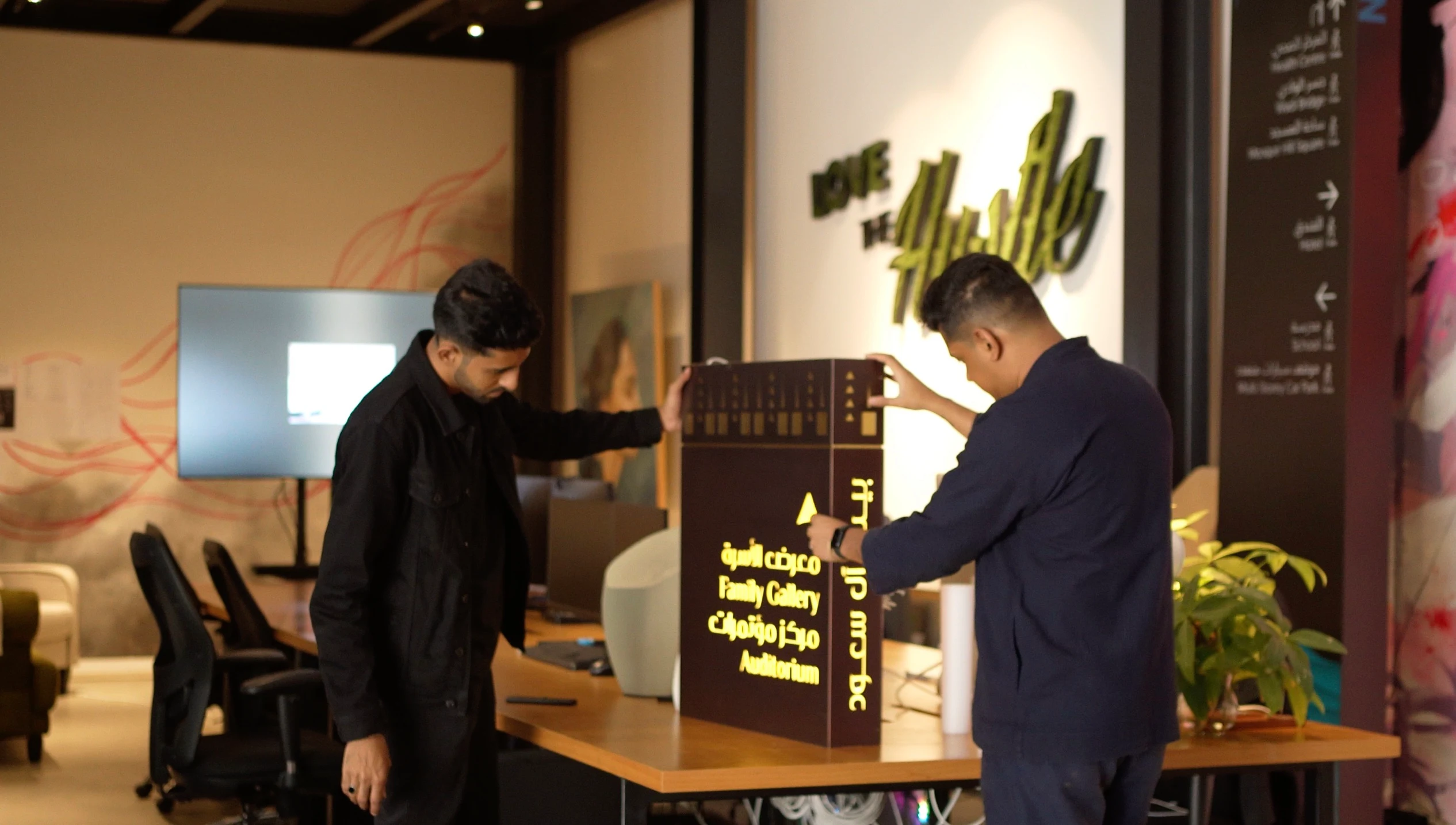



These decisions deserve the same consideration as the visible elements of a place. What should people encounter on arrival? How should the atmosphere develop as they move through it? Should the experience remain consistent, or change throughout the day?
Sensory design in architecture considers how sound, scent, light, texture and other environmental qualities shape the experience of a built environment. Within LIMAH’s Sensory Experience Design work, sound and scent are central. Ambient sound, designed background sound, music and fragrance become deliberate parts of how a place expresses its identity.
The starting point is the intended human experience. The work is to give that intention a clear creative direction, coordinate it with the wider environment and establish how it will function in operation.

Give sound and scent a place in the brief
Project briefs often describe an atmosphere as welcoming, calm, vibrant or intimate. These words suggest an ambition, but leave considerable room for interpretation.
A welcoming hotel lobby and a welcoming residential entrance serve different purposes. A lively retail destination has different requirements from a restaurant where conversation is central to the experience. Even within one development, the appropriate sensory character may change between arrival, circulation, waiting and social spaces.
Sound and scent design translate those ambitions into decisions.
What kind of music belongs here? Where should it be heard? How prominent should the scent be, and where should it stop? What should change between morning and evening?
For developers and operators, answering these questions early establishes a shared direction. Designers can coordinate around it, suppliers can respond to a meaningful brief, and operational teams can understand the experience they are expected to maintain.
LIMAH approaches this through Built Environment Experience Design, connecting the sensory character of a place with its purpose, identity and user journeys.
Sound design begins with the environment
Every place has an existing soundscape. Before adding to it, the team needs to understand what people already hear and how that changes with activity.
An empty lobby provides a different listening condition from one filled with guests. A restaurant soundtrack needs to be considered alongside conversation and service. In a souq, the sounds of movement, trading and social interaction form part of the setting.
Designed sound enters that environment. Its role needs to be clear.
Ambient sound may contribute to the identity of a place through its everyday activity. Designed background sound can introduce a more deliberate layer, using composed textures, environmental recordings or other audio developed for the setting. Music offers another creative vocabulary, with choices about instrumentation, rhythm, vocals and programming.
Each approach needs a reason to belong.

Music should express the place
A music strategy requires more direction than a collection of preferred tracks.
The brief should establish the character being expressed, the activities the music accompanies and the relationship between different spaces. It should also consider how the programme develops through the day.
Morning arrival may call for a gentle introduction. Later activity may support a stronger musical presence. An evening destination may need its own character while remaining recognisably part of the same place.
Traditional instruments and locally informed musical references can contribute to that identity when they are used with purpose. The creative task is to develop a musical language that belongs to the destination and suits the way it is used.
Volume, timing and transitions are part of the composition of the experience. Where two sound zones meet, their relationship needs attention. Where people need to speak, listen or receive essential information, the soundtrack must accommodate those activities.
Coordinate sound design with acoustic expertise
Sound design and acoustic design address connected responsibilities.
LIMAH’s focus is the intended listening experience: what people hear, its creative character and its role within the journey. Acoustic consultants and other appointed specialists address technical conditions such as reverberation, sound isolation and system performance.
Coordination matters because a creative intention must work within the physical space. The team needs to assess the proposed sound in relation to the architecture, existing noise, occupancy and operational requirements.
Scent design extends the identity of a place
Scent introduces a sensory character that people encounter without needing to look towards it. Its purpose and presence therefore need careful definition.
The creative direction might draw on a destination’s cultural setting, landscape, material expression or brand identity. Those references should guide a specific response. Descriptions such as fresh, luxurious or distinctive are only a starting point.
A scent brief needs to establish what the fragrance should express, where it will be encountered and how noticeable it should be.
Duration matters. An entrance that people pass through raises different questions from a lounge where they may remain for an hour. Adjacent uses matter too. Food, planting, cleaning products and other sources already contribute to the scent of an environment.
The selected fragrance becomes part of that combined condition.
Design its presence as carefully as its character
Scent design includes intensity, coverage, timing and transitions between areas.
A fragrance assessed in isolation cannot resolve all of these questions. It needs to be considered in its intended setting, with input from the relevant building services specialists and suppliers.
User sensitivities also belong in the brief. Added fragrance should be appropriate to the setting, with consideration for areas without added scent where needed. The operator requires a clear approach to adjustment, maintenance and replenishment.
A scent can also evolve through the day. That progression needs a coherent creative direction so that each change contributes to the identity of the destination.
Souq Al Baraha: sound and scent across the day
At Souq Al Baraha in Bahrain, LIMAH designed a complete sensory experience in which sound and scent evolved together from morning to evening. The traditional souq provided the cultural setting for both.
The soundtrack played throughout the day. Mornings began with soft, gentle music, establishing a calm opening atmosphere. As the day progressed, the composition developed into a bolder, stronger piece, using traditional instruments and Bahraini-inspired music.
This gave the souq a changing musical character within a continuous experience. The soundtrack had a daily progression, with each stage connected to the identity of the place.
Scent followed a corresponding sequence. A fresh scent introduced the morning. Fruity and floral notes characterised the afternoon. By evening, a woody oud scent brought a different atmosphere, in keeping with the traditional souq setting.
Sound and scent were designed in relation to one another. What visitors heard and smelled changed with the time of day, while the cultural character of the destination remained the reference throughout.
Souq Al Baraha demonstrates the scope of sensory experience design. Selecting music and fragrance formed part of a larger task: composing their relationship with time, activity and place.

Connect sensory character with the wider journey
Sound and scent are experienced alongside everything else in the environment.
Light, colour, materials, public art and environmental graphics contribute to the setting. Their relationship with the sensory programme should be considered as the design develops.
An artwork may establish a recognisable arrival point. Material character may distinguish one destination from another. Music may develop as visitors move towards a social space. Together, these decisions can establish a coherent sequence, provided each has a clear purpose.
Wayfinding & Navigation supports that sequence by helping people understand where they are, make decisions and reach their destination. Physical signs, maps and digital information need to remain clear within the surrounding sensory environment.
The emphasis will vary by project. Some places require a restrained sensory presence. Others can accommodate a more expressive approach. The brief should establish that balance according to the people, activities and identity involved.
Make the experience practical to operate
A sensory concept needs a workable operating framework.
Music requires programming, agreed settings and responsibility for updates. Scent systems require maintenance, replenishment and controls that staff understand. Daily transitions need to happen consistently.
Without that direction, routine decisions can gradually change the intended experience. A carefully developed soundtrack may be replaced by personal selections. Volume may be increased without considering neighbouring spaces. Scent intensity may be adjusted without a shared reference.
The operational brief should explain the creative intention and how to maintain it. Testing before opening allows the team to assess sound and scent together in the actual environment. Reviews during operation can identify where activity, occupancy or maintenance calls for adjustment.
For clients, the useful question is what people should hear and smell in each part of the place, at each stage of its day. Define that with enough precision for the design team to develop it and the operator to sustain it.