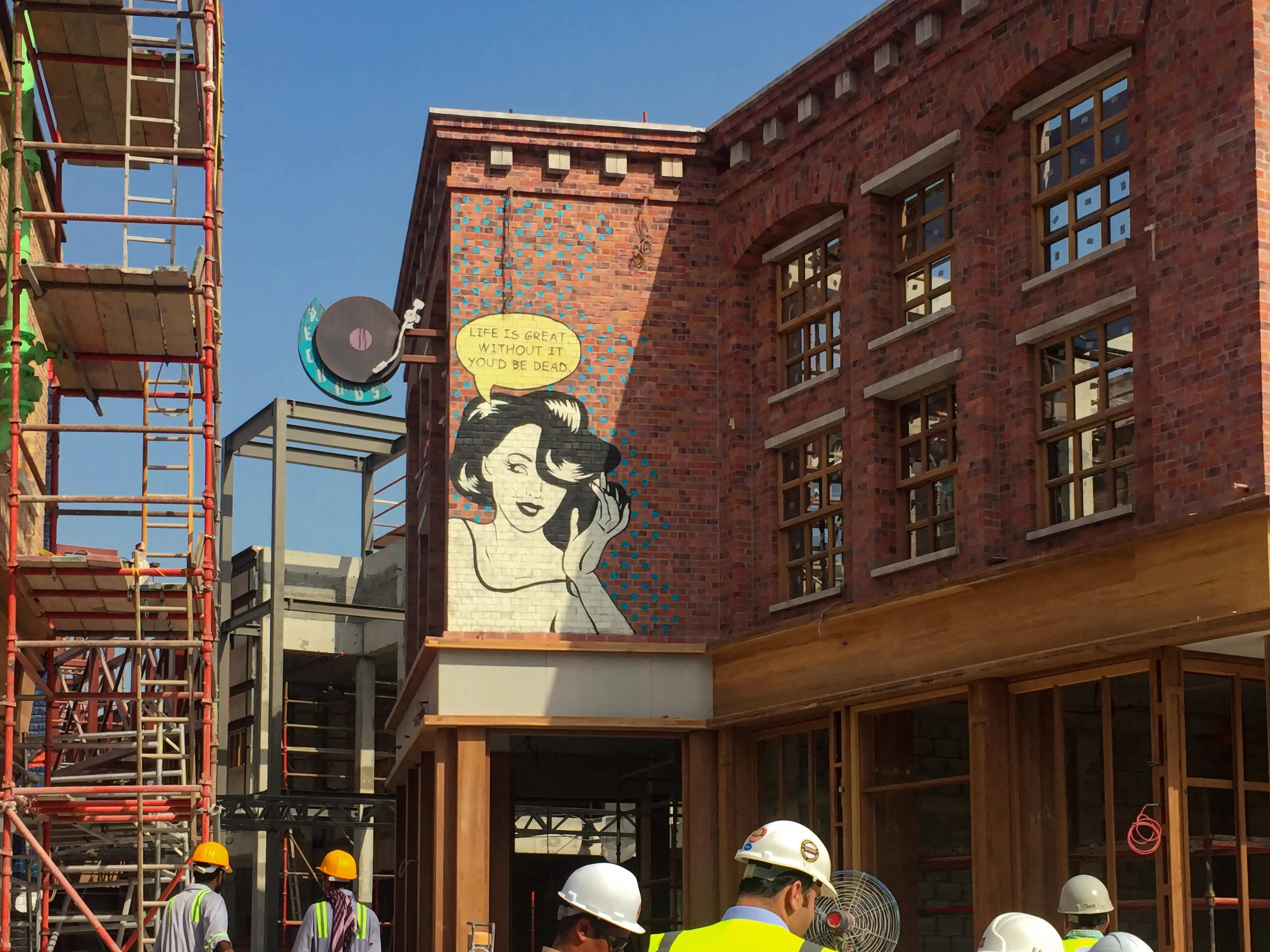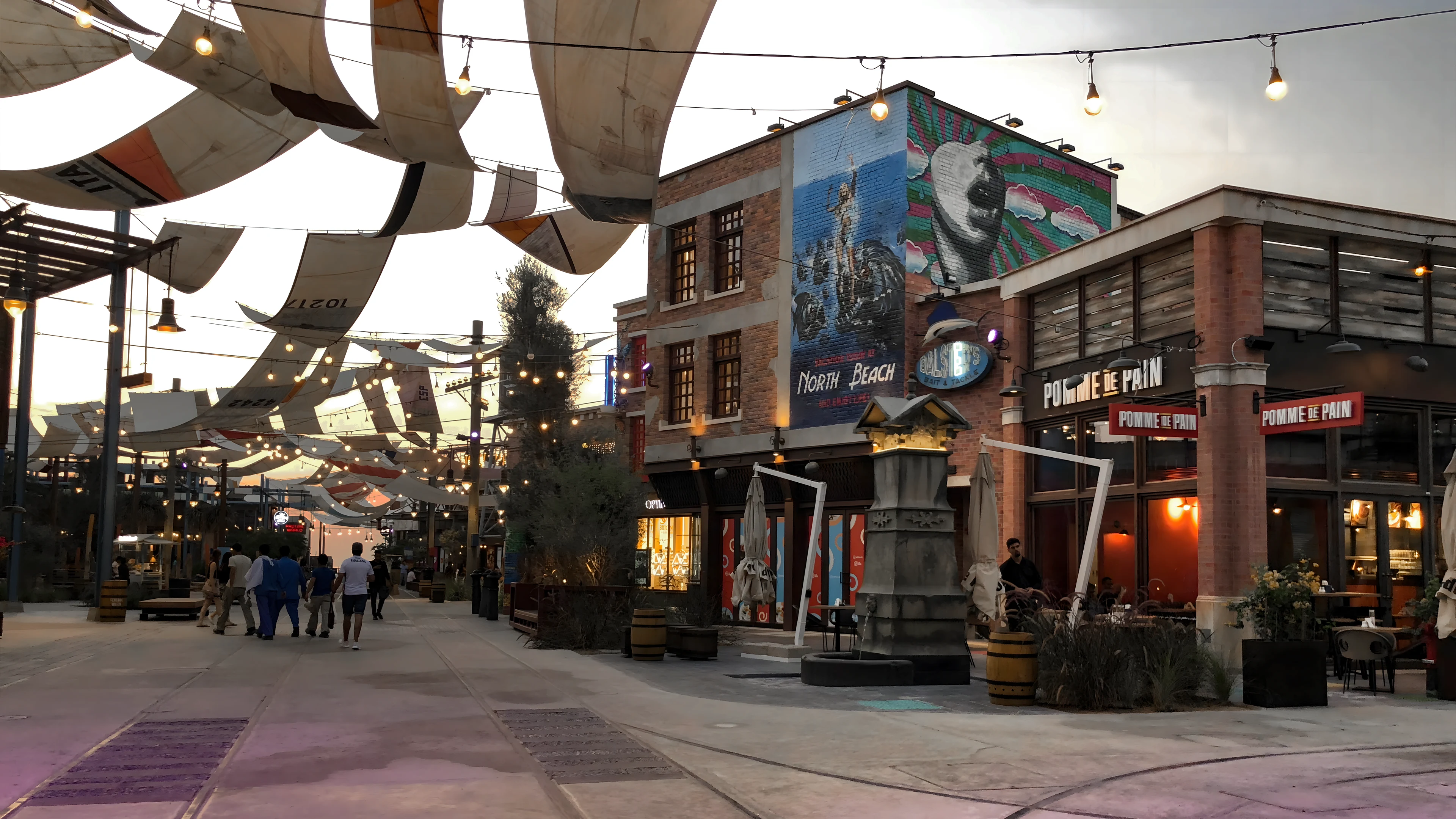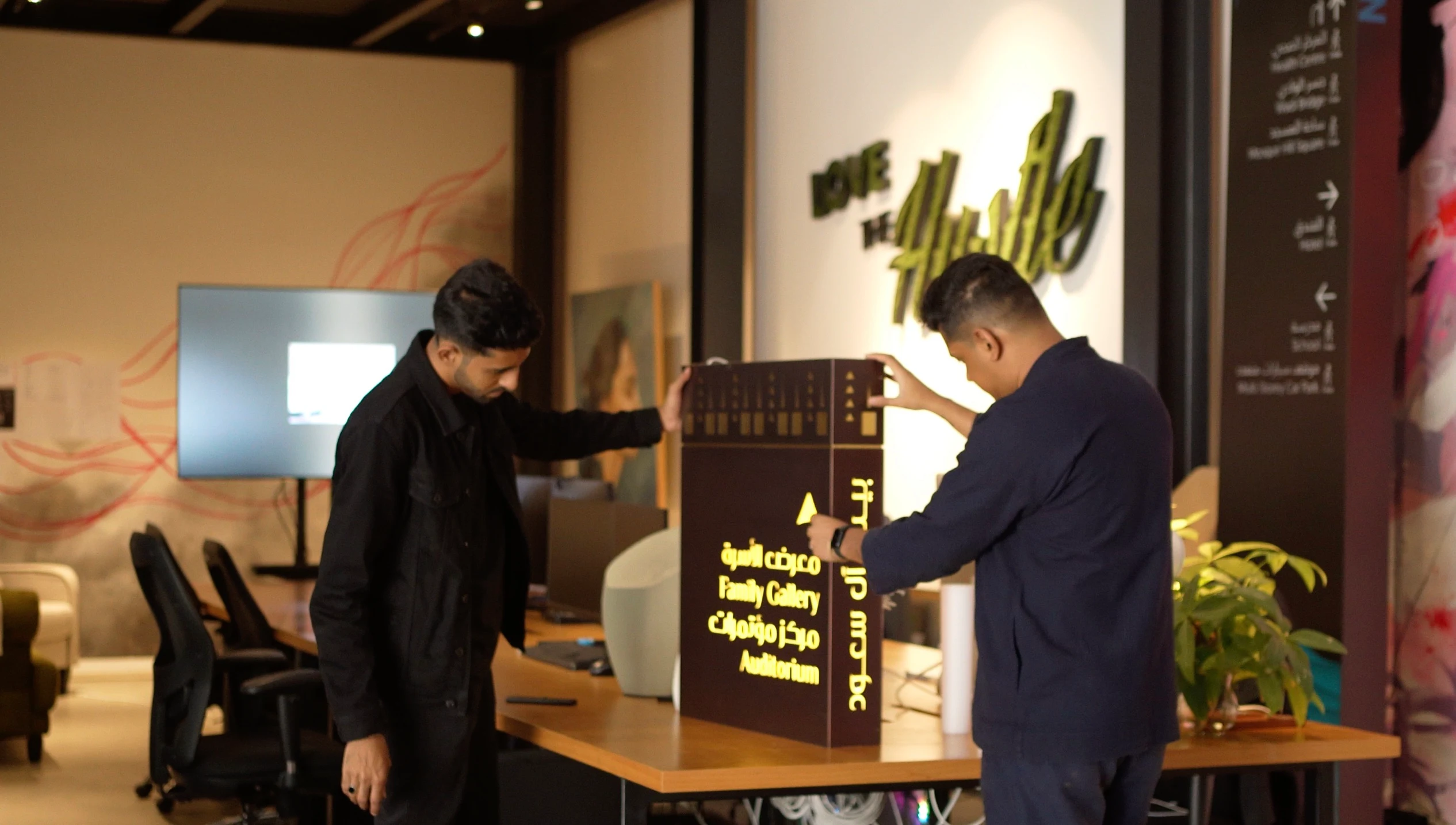



The decisions begin well before an artist is asked to propose a piece. What should the art contribute to the place? How will people encounter it? What connects an arrival landmark with a quieter work in a neighbourhood garden? How will the programme develop as different parts of the masterplan open?
At LIMAH, these questions sit within Built Environment Experience Design. Place Identity & Public Art connects with the wider experience of the site, including movement, sensory character, digital touchpoints and the relationship between architecture and public realm.
That approach requires more than recommendations for artists or available works. It requires a strategy for the place and the capability to help artists develop ideas within the realities of a large construction project.
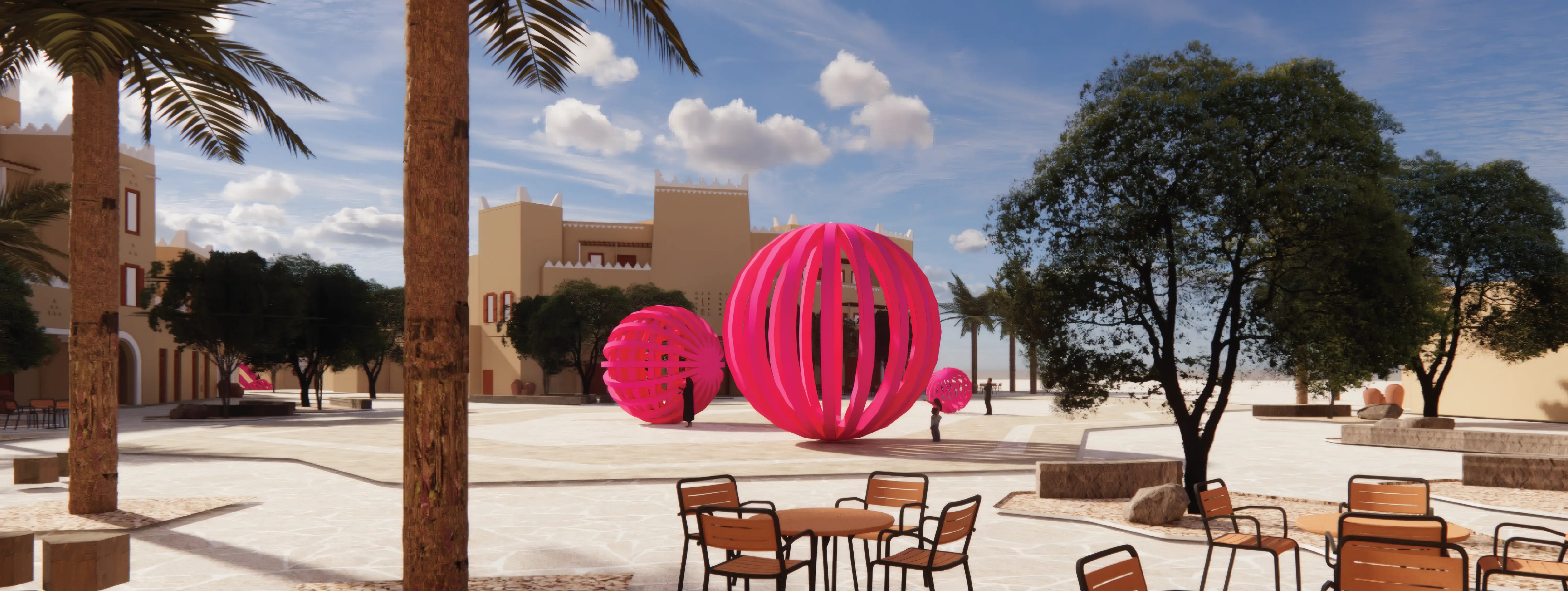
Do you need an art consultant or a public art consultancy?
An art advisory appointment may focus on recommending artists, sourcing existing pieces or curating a collection. Those services can be appropriate when the client has a defined acquisition brief and the setting is ready to receive the work.
A large-scale public art programme asks a different set of questions. The site itself may still be developing. Arrival points, landscape, circulation and building interfaces may change. Individual commissions need to relate to a wider narrative, a construction programme and the experience of people using the development.
The distinction is the scope and expertise being appointed. A team with strong artist relationships does not automatically bring experience in masterplanning, architectural coordination or technical development. Equally, the title “public art consultant” needs to be supported by evidence of that work.
Ask to see a complete public art strategy and follow a commission through later phases. How did the site analysis inform the brief? How did the team work with the artist? What technical questions did it help resolve? How were interfaces with the architecture and landscape documented?
For LIMAH, experience working alongside architects and masterplanning teams informs the approach from the beginning. Artist selection forms part of a larger responsibility: establishing what the art should contribute, helping that ambition develop and coordinating its place within the built environment.
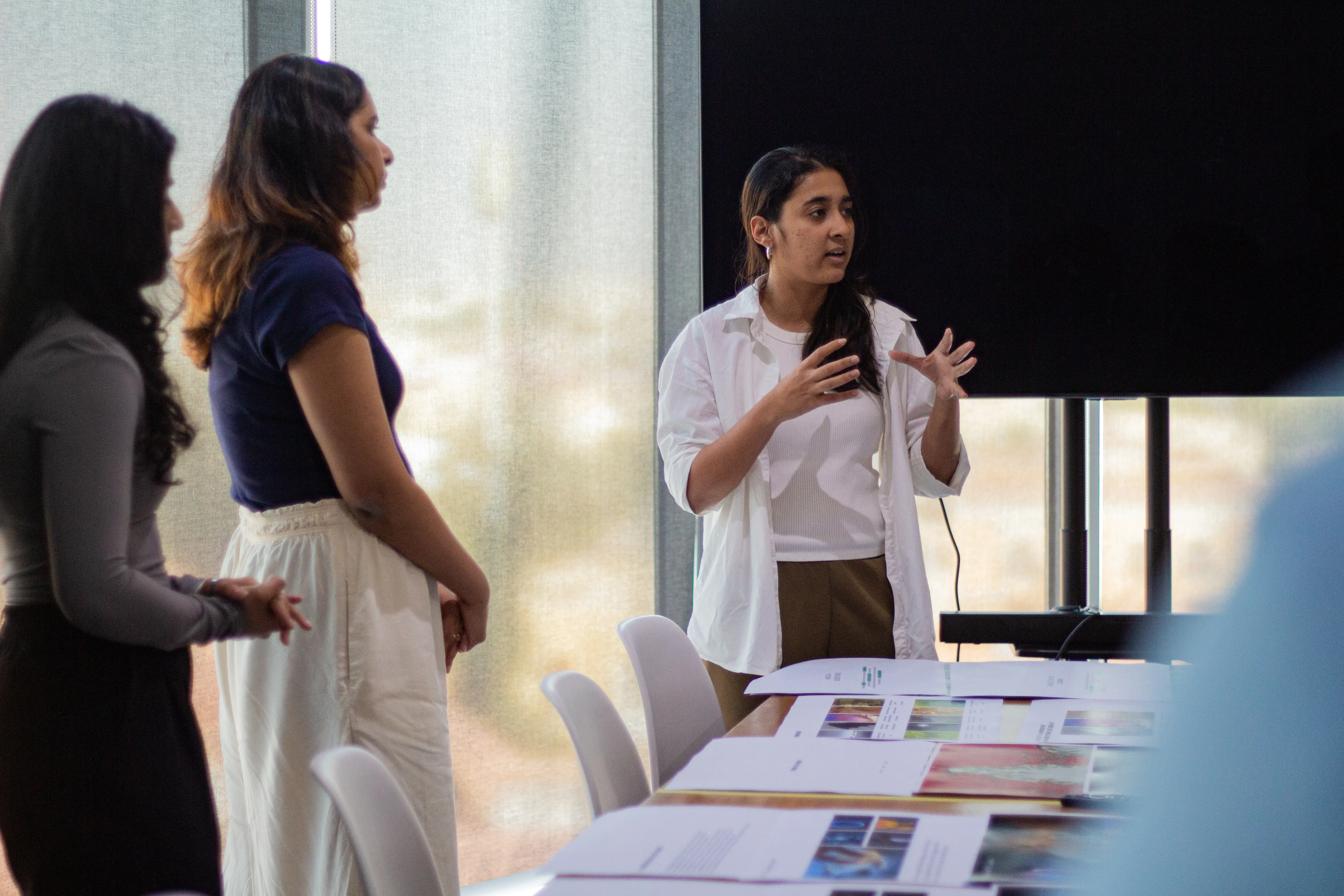
Stage one: establish the site-wide experience and public art strategy
The first stage defines the role of public art within the development.
A statement that the project should feel distinctive is not yet a commissioning brief. The team needs to understand the site, its cultural context, the people who will use it and the experiences the masterplan is intended to support.
An arrival space may need a recognisable point of identity. A waterfront route may invite a sequence of encounters. A neighbourhood space may call for a more intimate relationship with its community. These conditions suggest different opportunities for art.
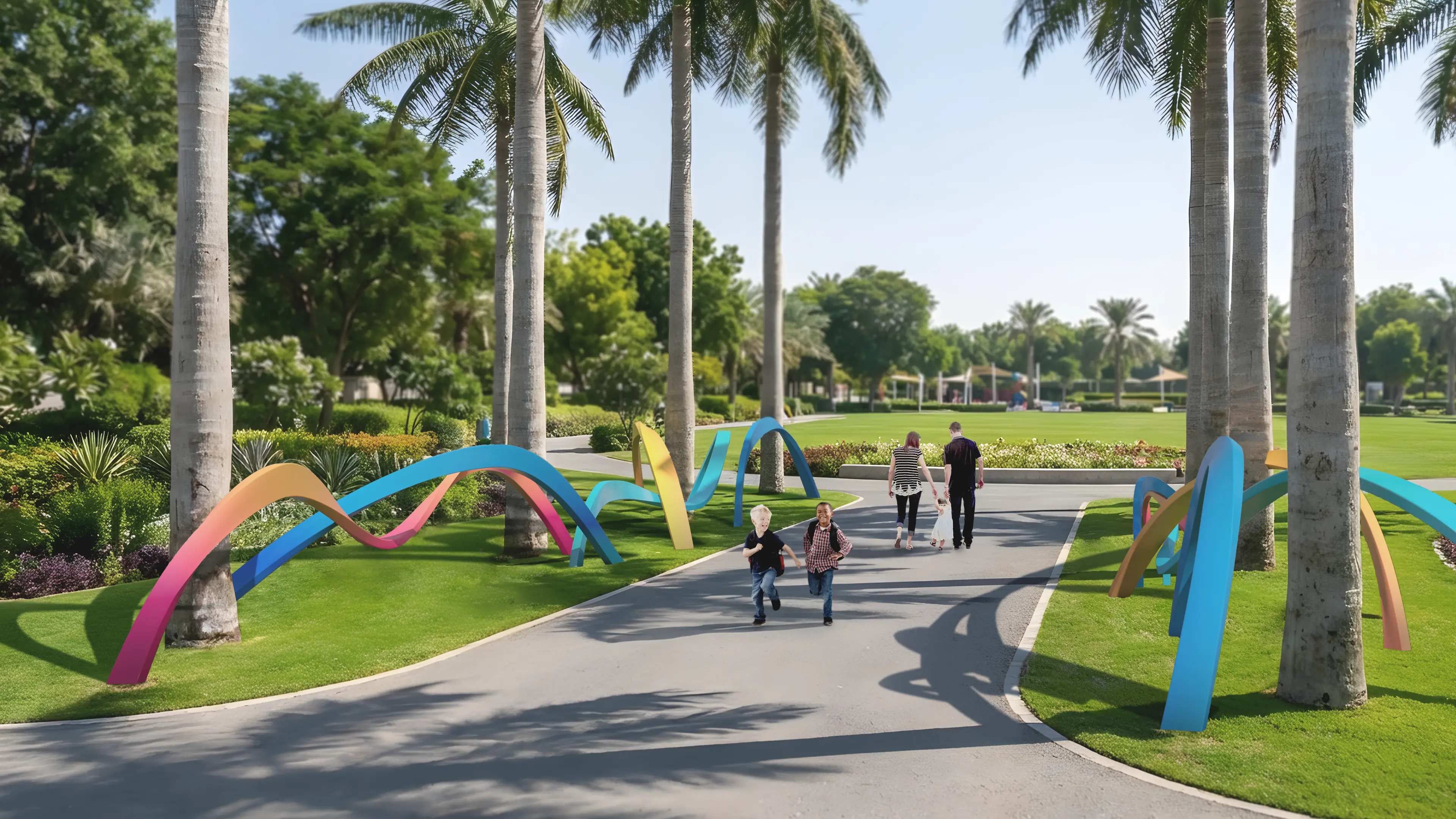
The strategy should connect those opportunities through a coherent narrative, while leaving room for artists to interpret their individual briefs. Coherence does not require every work to share a visual style. It requires a reason for each commission to belong within the place.
This is also where the programme needs a practical foundation. Establish the budget framework, priorities, phasing, review responsibilities and decision-making process. Account for the development and delivery of the work, including artist input, specialist design, fabrication, site works, installation and ongoing care.
For a phased masterplan, the strategy should explain how early commissions relate to later areas. Otherwise, each phase can become a separate collection of decisions with little connection to the whole.
The output is a working framework for commissioning, design and coordination.
Stage two: develop the spatial art plan
Once the strategic role is clear, the team can test where and how art should be encountered.
A prominent empty space is not automatically the right location. Consider the approach, viewing distance, pedestrian movement, neighbouring uses and the time people are likely to spend there. A work seen from a moving vehicle has a different relationship with its audience from one experienced at close range.
Art may take the form of a freestanding sculpture, an integrated architectural element, a landscape intervention, a light-based work or an interactive installation. The form should follow the opportunity and the artistic response, with its technical implications understood early enough to influence the wider design.
The spatial art plan should be reviewed alongside circulation, landscape, lighting, utilities, servicing and future development. Visibility, access for installation and maintenance, and the relationship with adjacent activity all need consideration.
Connect art with the wider experience without reducing its purpose
Public art can establish landmarks and help people recognise destinations. It can also introduce a cultural narrative, invite engagement or give people a reason to pause. Its contribution should be considered on its own terms as well as within the site-wide experience.
LIMAH connects that thinking with Wayfinding & Navigation, Sensory Experience Design and Physical-Digital Experience Systems where relevant. A media artwork, for example, may involve sound, changing content and operational controls. Those relationships need to be considered together rather than developed as separate installations.
The aim is a coordinated environment in which the artwork has a clear setting and sufficient room to express its own idea.
Stage three: commission artists against a meaningful brief
Artist selection should follow the strategy and the opportunities identified for the site.
Recommending an artist because their work is recognisable does not establish their suitability for a particular location. The brief should explain the place, its intended audience, the artistic opportunity, budget, programme and relevant constraints.
It should also distinguish what is fixed from what the artist can influence. Is the location established? Can the work engage with the landscape? Are sound, light or interaction appropriate? Which elements of the surrounding design are still open to development?
A useful brief gives artists enough understanding to respond specifically while preserving room for creative authorship.
The selection process can then assess the proposed response alongside the artist’s ability to develop it within the project. Relevant considerations include artistic quality, relationship with the site, collaborative approach and the technical support the commission will require.
Before development begins, establish responsibilities, review stages, required submissions and the route for decisions. The artist should understand the project team they will work with, and that team should understand what it needs to provide to support the commission.
Stage four: help the artist develop the idea into a deliverable work
Technical advisory is a substantial part of LIMAH’s public art approach. The work includes helping artists explore how an idea can be realised within architectural, landscape and construction conditions.
An artistic concept may raise questions about scale, material behaviour, fabrication, structural support, illumination, access or interaction. Resolving them requires dialogue between the artist, technical advisers, engineers, fabricators and the wider design team.
LIMAH’s role is to help connect that development with the project. The objective is to understand what carries the artistic idea and work through the practical decisions needed to deliver it. A proposed change to a material or construction method should be considered for its effect on the work as well as its feasibility.
A surface treatment, joint or support detail can alter how a piece is perceived. For a light or media work, equipment positions and content behaviour may be integral to the idea. Samples, mock-ups and prototypes can help the team examine these questions before committing to production.
This involvement goes beyond introducing an artist and reviewing a visual proposal. It requires sustained attention as the commission becomes more technically defined.
Make the interfaces and responsibilities explicit
Technical development needs coordinated information. Depending on the work, this may include setting-out requirements, foundations, support conditions, power, data, drainage, landscape interfaces, lifting access and maintenance provisions.
Not every commission needs every item. The team should identify the relevant requirements and agree who develops, checks and approves each one.
LIMAH’s technical advisory and coordination work supports that process. Specialist engineering, fabrication and statutory responsibilities remain with the appointed parties according to the agreed scope.
Freestanding works still require integration. A sculpture can be manufactured separately while its foundations, surrounding finishes and installation access depend on the main construction programme. Those connections need to be visible in the relevant packages.
Stage five: coordinate fabrication, installation and life after opening
An approved concept needs a controlled route through production and installation.
Depending on the appointment, reviews may include fabrication drawings, material samples, prototypes and proposed substitutions. Decisions should be recorded against the approved intent so the team can understand what changed and why.
Installation also needs coordination with the site programme. Access, lifting arrangements, completed surfaces, protection and readiness of supporting works can affect the sequence. The artist, installer and construction team need a shared understanding of the conditions required.
At handover, the operator needs information suited to the actual work. That may include material records, cleaning guidance, inspection requirements, specialist contacts and instructions for lighting, media or interactive systems.
Responsibility for ongoing care should be clear. A work that depends on sound, lighting or digital content also needs an agreed approach to operation and updates. Maintenance and future changes should respect the artistic intent and the relevant approval arrangements.
This is where the early strategy meets everyday use. The site-wide experience continues after the construction team leaves.
Appoint for the complete programme your masterplan needs
The stages of public art delivery are connected. A location decision can affect engineering. An artistic proposal can reveal an opportunity for the public realm. A maintenance requirement can influence material development. Programme changes can affect what is feasible within a particular phase.
Clients should therefore examine how a proposed consultant works across those relationships. Ask for the strategy, the artist brief, the technical development and evidence of coordination through delivery.
An appointment centred on sourcing and selection purchases a different service from one that develops a site-wide art strategy and supports its integration into a large built environment. Both need a clear scope. The important decision is which responsibility the project requires someone to carry.
For LIMAH, public art belongs within the greater experience of the place. Establish that relationship while the masterplan can still respond to it, then give the artists and project team the support needed to carry the work into reality.